
Mekelle/Tel Aviv/Nairobi/Pretoria/Londonorg
Two years after the guns fell silent under the Pretoria Agreement, Tigray remains suspended between fragile calm and persistent uncertainty. Despite the absence of large-scale fighting, the region continues to grapple with entrenched political divisions, unresolved security issues, and an immense humanitarian burden. It is within this delicate landscape that a new and ambitious civic platform the Tigray Peace Initiative (TPI) has emerged, positioning itself as a potential turning point in the region’s quest for lasting stability.
A New Civic Platform for a Region Searching for Direction
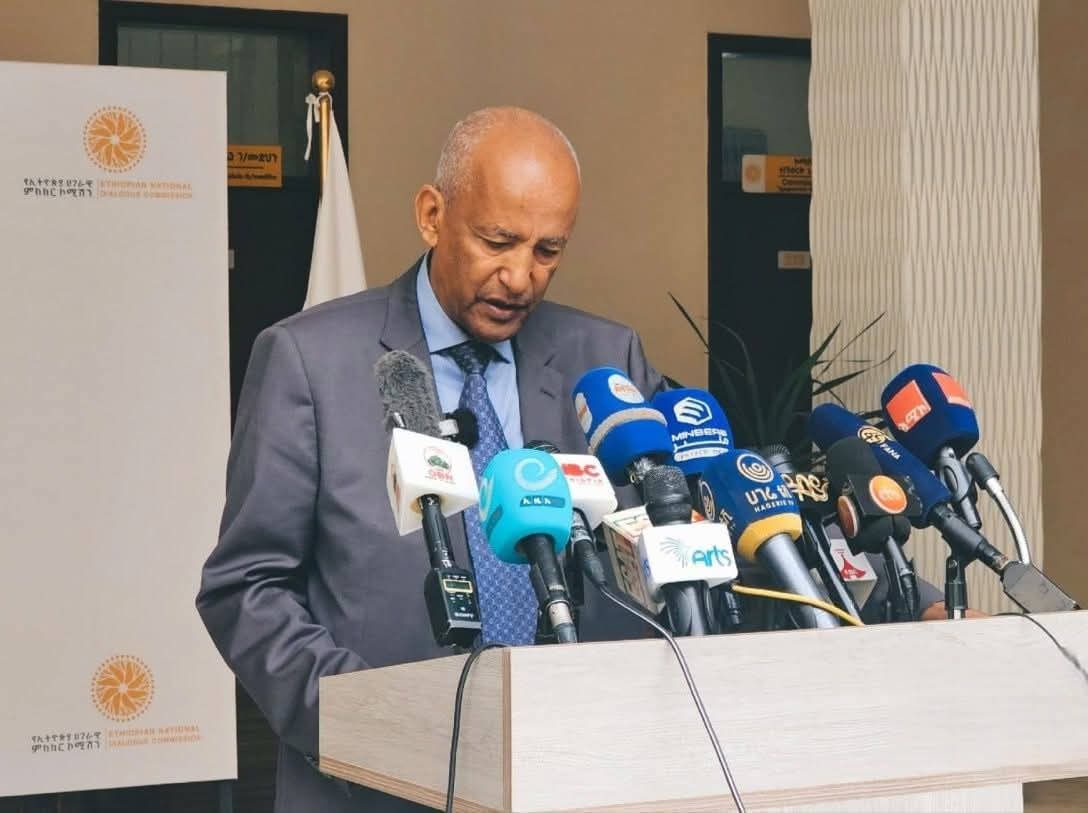
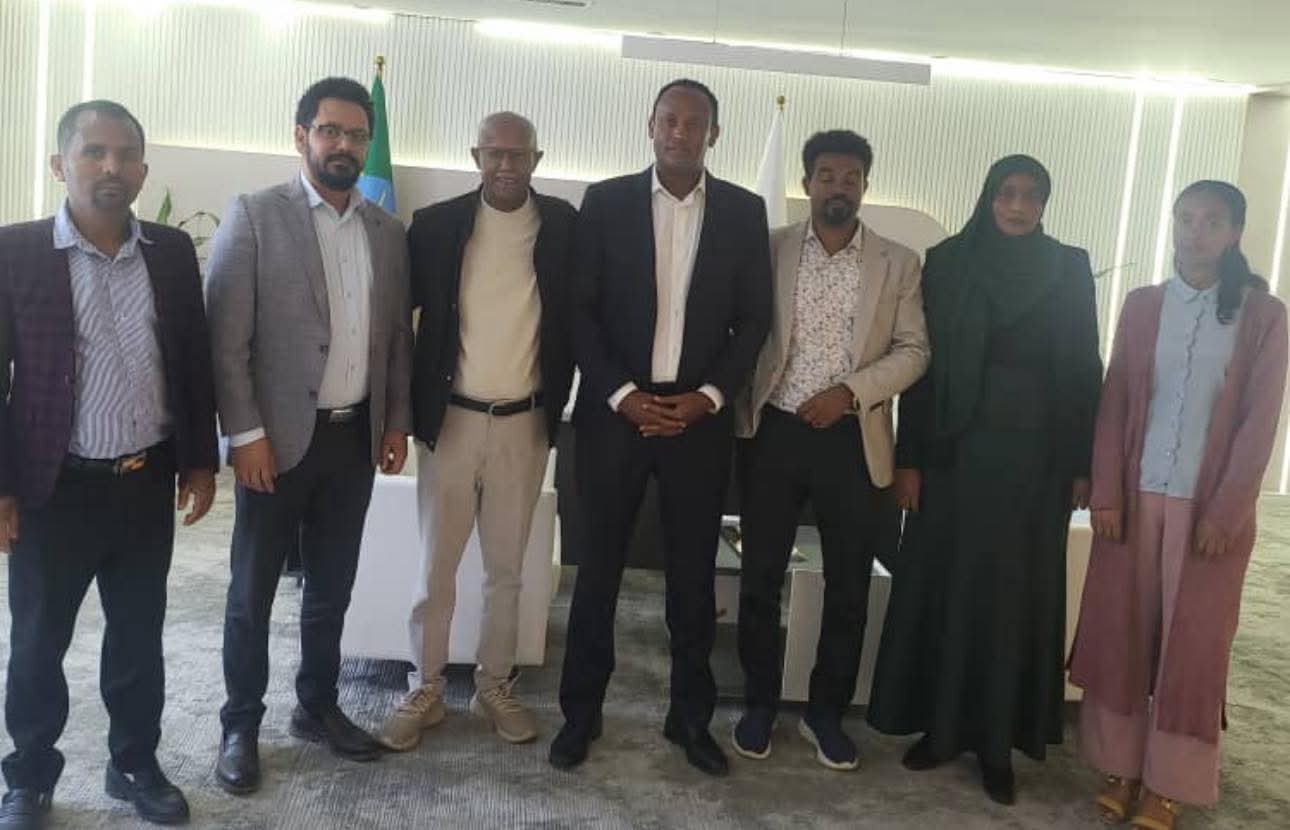
The initiative, formally launched yesterday and led by its chairman Dr. Hagos Abraha, is designed as an inclusive, non-partisan space where Tigrayans from all walks of life can engage in dialogue about their future. TPI’s coordinating team, which includes respected figures such as Dr. Abraham Belay and General Samora Yenus, envisions a process grounded in reconciliation, collective healing, and community-driven solutions.
Dr. Hagos and his colleagues describe the platform as a civic response to a political vacuum a mechanism to rebuild social cohesion while encouraging open discussions on peace, governance, and sustainable recovery. The initiative’s architects argue that, after years of trauma, Tigray requires not only humanitarian relief but also a structured environment where grievances can be addressed peacefully and consensus can be rebuilt.
Federal Commitment: “Not Even the Sound of a Single Gunshot”
Momentum for the initiative increased further today after Abraham Belay (PhD), Minister of Irrigation and Lowlands , gave a detailed interview to Gazette Plus following yesterday’s launch. In his remarks, he offered one of the strongest federal statements on Tigray’s future security since the end of active conflict.

He stressed that Tigray must never again experience war, declaring that “not even the sound of a single gunshot should be heard in the region” as it works toward enduring stability. Dr. Abraham underscored that dialogue not confrontation must guide the resolution of all outstanding questions.
During a discussion with TPI chairman Dr. Hagos, he reaffirmed the federal government’s willingness to support reconciliation efforts directly. This includes engagement in town-hall dialogues, community consultations, and collaborative peace-building programs. He emphasized that he considers himself “part of the mission,” signaling a personal commitment to maintaining the region’s stability.
The Mission’s Approach: Healing Through Dialogue and Accountability
For Dr. Hagos, the objective is clear: to mobilize civic actors, communities, experts, and institutions toward long-term stabilization. He outlined plans to work not only with federal bodies but also with international partners and organizations specializing in peace, justice, and security.
The mission’s framework acknowledges the layered nature of Tigray’s crisis combining social trauma, political fragmentation, economic collapse, and institutional disruption. Addressing these challenges requires coordinated action across multiple domains, he noted, with the ultimate aim of rebuilding trust, strengthening institutions, and laying the groundwork for accountability and just governance.
Analysts: A Needed Step, but Success Depends on Political Will
Observers say the launch of TPI comes at a critical juncture. While the region is no longer engulfed in active conflict, analysts warn that the absence of an inclusive political roadmap risks allowing latent tensions to resurface. They argue that the initiative’s promise will depend heavily on its ability to remain independent, gain public legitimacy, and secure consistent engagement from both federal authorities and regional stakeholders.
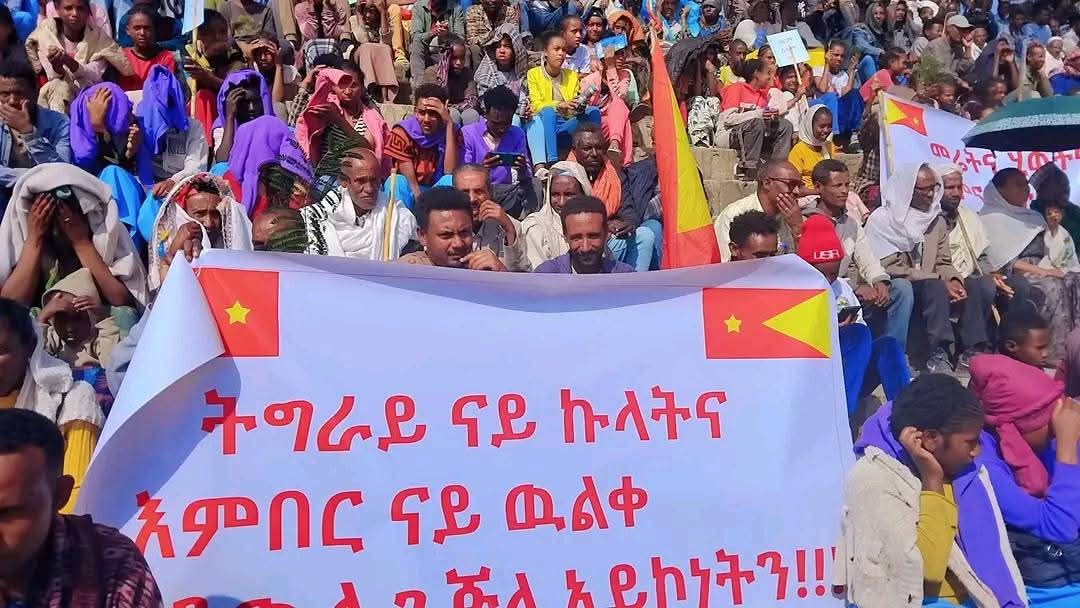
There is also recognition that peace-building in Tigray must extend beyond political elites. Communities traumatized by displacement, violence, and economic collapse need platforms to voice experiences and help shape the region’s future.
Horn News Hub: Ready to Support Peace Efforts
As the initiative gains traction, Horn News Hub expresses its readiness to work alongside the Tigray Peace Initiative to strengthen dialogue, amplify credible information, and support narratives that promote reconciliation. In a landscape where misinformation can inflame old grievances, responsible journalism and civic engagement are vital to sustaining peace.
Horn News Hub intends to collaborate by providing analytical reporting, public information support, and coverage that builds understanding among communities and stakeholders.
A Fragile Moment with Transformative Potential
The launch of the Tigray Peace Initiative signals a collective recognition that the region stands at a decisive crossroads. After years of suffering, the demands for justice, dignity, and stability remain urgent. What Tigray needs now, analysts say, is not only silence from the guns but also a renewed social contract rooted in dialogue, inclusion, and accountability.
If its leaders and supporters maintain focus, transparency, and broad public engagement, TPI may become a pivotal forum for reimagining Tigray’s political landscape and could ultimately contribute to Ethiopia’s broader push for peace and national reconciliation.