
National Dialogue Commission Begins Tigray Agenda Collection in Addis Ababa
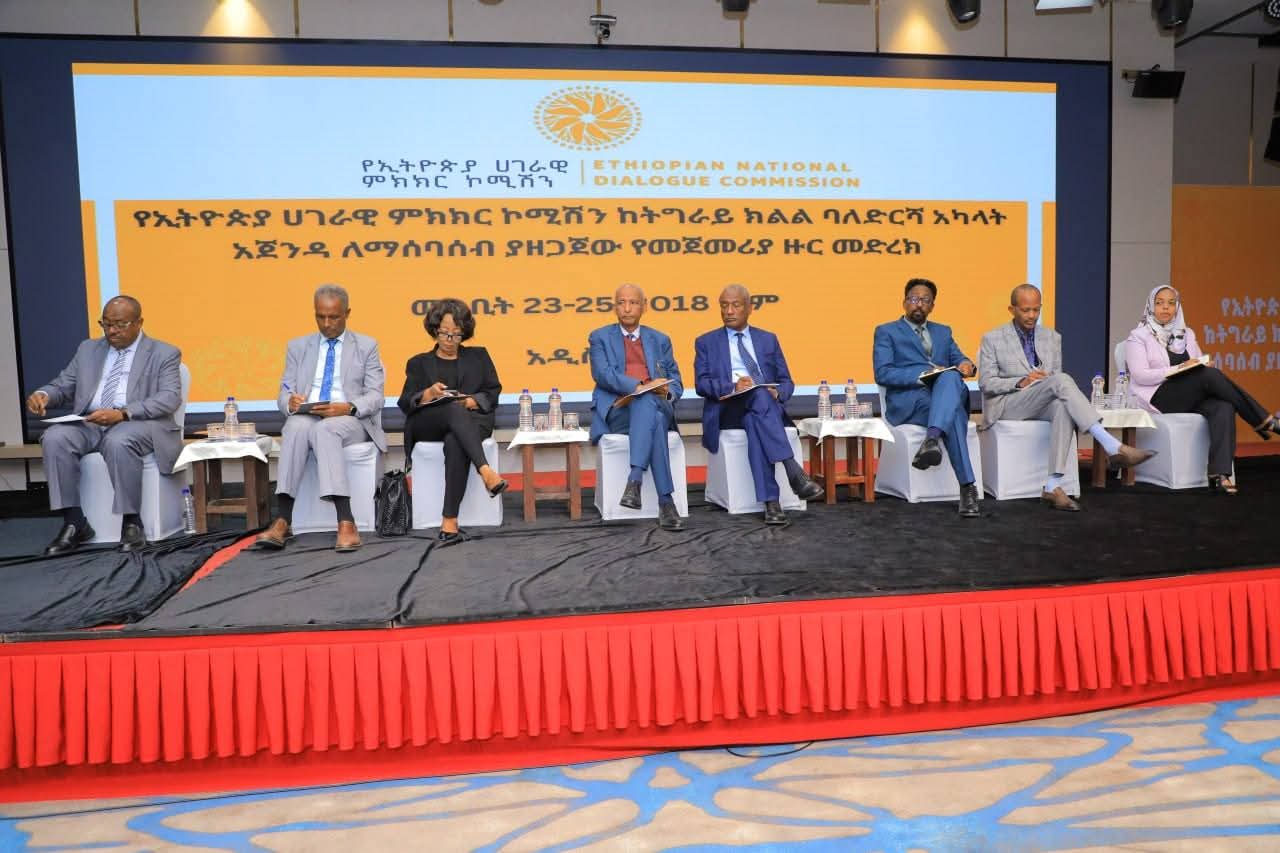
ADDIS ABABA – The Ethiopian National Dialogue Commission (ENDC) has officially launched the first phase of its agenda collection process for the Tigray region. The three-day event, which commenced on April 1, 2026, marks a critical milestone in the commission’s efforts to include diverse regional perspectives in the broader national reconciliation initiative.
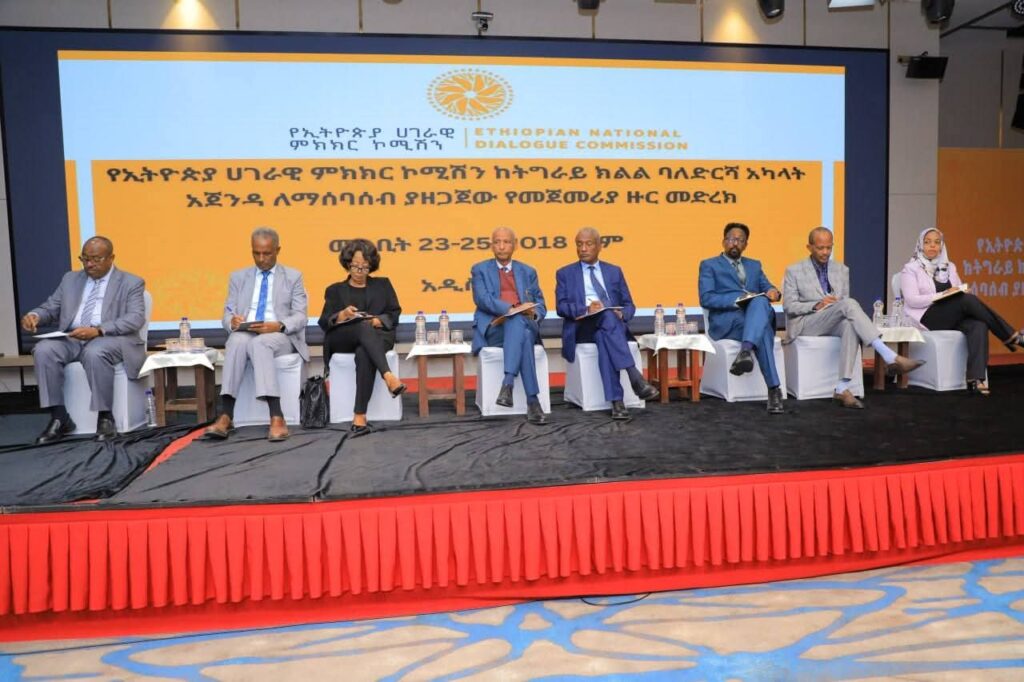
While the ENDC has conducted similar activities within other regional states, the current sessions for Tigray stakeholders are being held in the capital due to ongoing logistical and security considerations.
Focus on Inclusion and Trauma Recovery
During the opening ceremony, Chief Commissioner Professor Mesfin Areaya addressed the assembly, highlighting the heavy toll of recent conflicts on the national psyche. He characterized the dialogue as a necessary mechanism for addressing “deep national trauma” and expressed optimism regarding the high level of engagement from Tigrayan representatives.
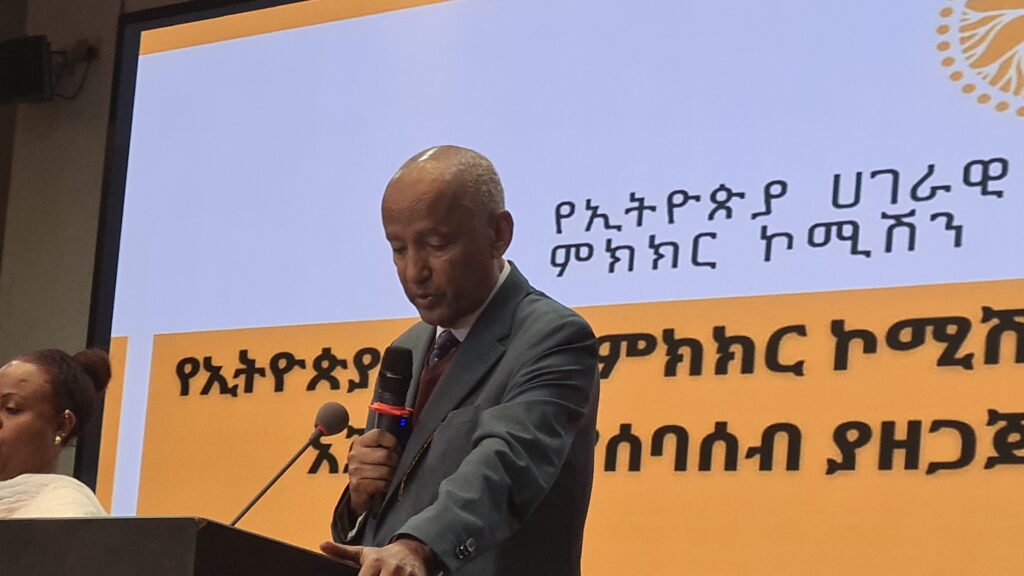
The Chief Commissioner noted that the commission remains committed to moving these operations directly into the Tigray region as soon as local conditions allow. In the interim, the Addis Ababa sessions serve as the primary vehicle for ensuring the region’s voice is integrated into the upcoming national dialogue plenary.
Participant Profiles and Objectives
The assembly consists of over 600 stakeholders representing a broad cross-section of Tigrayan society. The delegation includes:
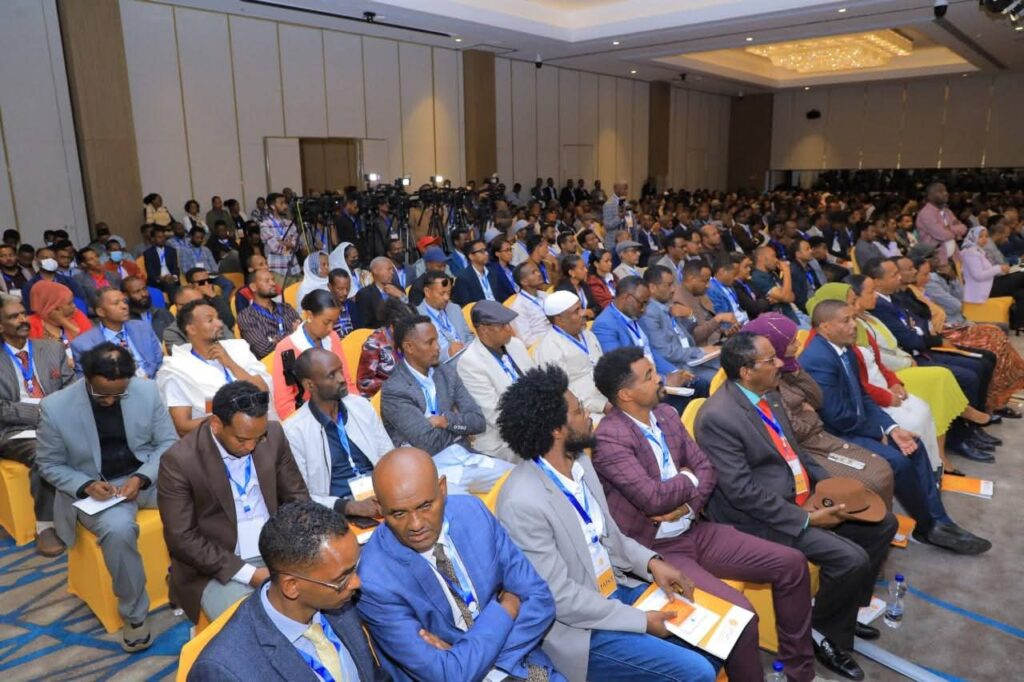
- Representatives from various political parties
- Leaders of religious institutions
- Members of civic organizations
- Prominent community figures and elders
Over the course of the three-day summit, these participants are tasked with identifying and prioritizing issues of both regional and national significance. Beyond agenda setting, the group will also elect the formal representatives who will advocate for these points during the national dialogue’s plenary phase.
Transitioning from Conflict to Deliberation
Observers of the process view the gathering as a symbolic and practical shift away from military confrontation toward institutionalized political discourse. Participants at the event have echoed the sentiment that structured dialogue remains the most viable remedy for Ethiopia’s historical and contemporary internal disputes.
The ENDC has reiterated that the data gathered during these sessions will be utilized as foundational input for the national plenary, aiming to create a more stable and inclusive political framework for the country’s future.
The commission continues to emphasize its mandate of neutrality and inclusivity as it prepares to replicate the agenda collection process across remaining districts as safety permits.
Editor’s Disclaimer:
The views and opinions expressed in articles published by Horn News Hub are those of the authors and do not necessarily reflect the official position or editorial stance of Horn News Hub. Publication does not imply endorsement.