
Mekelle/Tel Aviv/Nairobi/Pretoria/London
National Cultural Research Workshop Held at Raya University
By Chekole Alemu
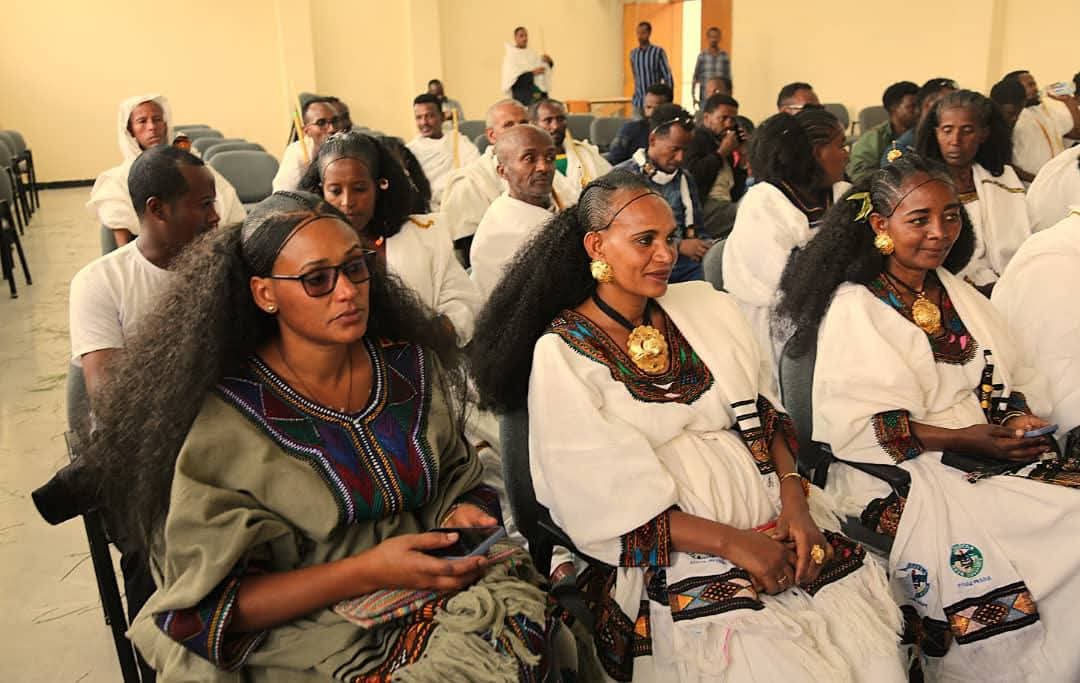
Raya University hosted a National Cultural Research Workshop on January 17 as part of the inauguration of the Raya Cultural Center and the Timket Epiphany celebrations. The event brought together scholars and researchers from several Ethiopian universities to present and discuss studies on Raya’s cultural and anthropological traditions.
The workshop aimed to promote the documentation, preservation, and transmission of Rayan cultural heritage, with a focus on strengthening community values, identity, and social cohesion.
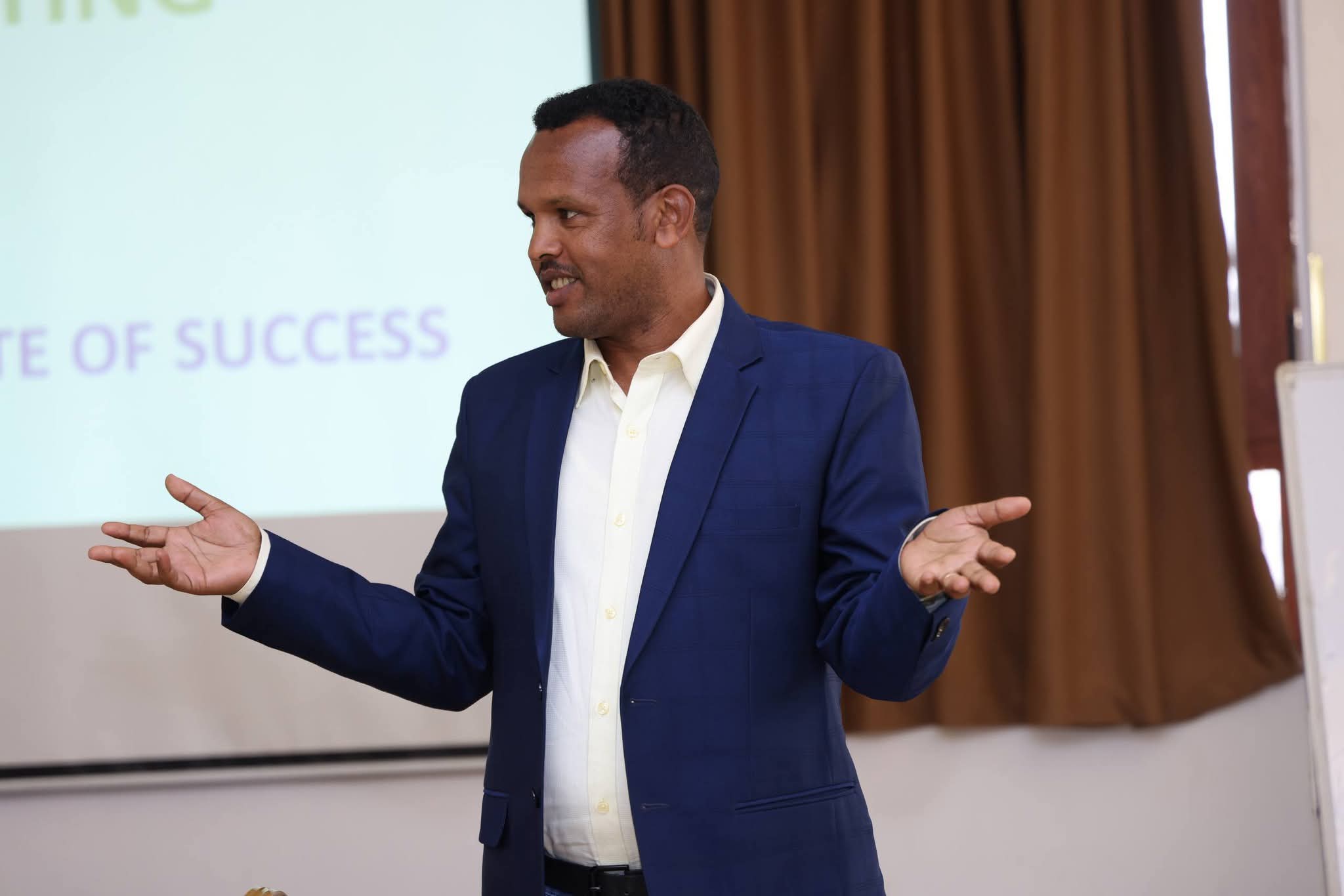
Opening the event, Raya University President Professor Tadesse Dejenie said Raya’s distinctive cultural practices, including customary administration systems, social institutions, rituals, the Abo Gereb governance tradition, and long standing communal cooperation, should be systematically documented and shared beyond the region. He stated that the university is committed to advancing cultural research and safeguarding Raya’s identity through its Cultural Research Center.
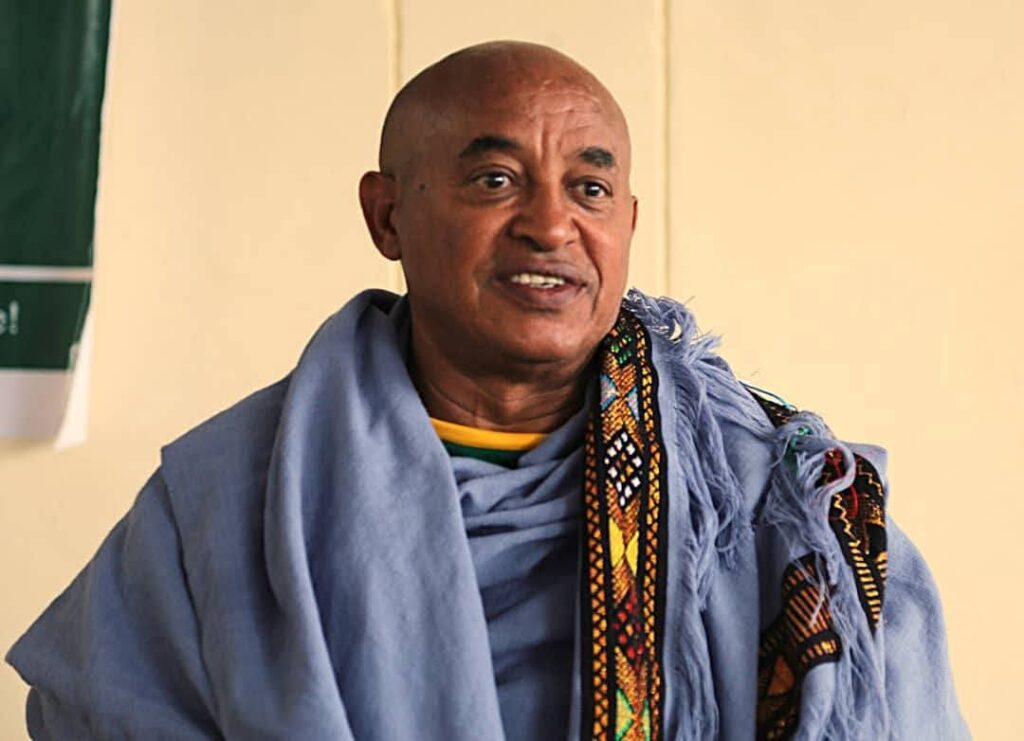
In a keynote address, Laureate Professor Mitiku Haile of Mekelle University emphasized that education detached from culture fails to adequately serve society or ensure long term sustainability. He called for greater investment in cultural foundations within educational systems and outlined key conceptual, epistemological, and methodological considerations for cultural research at Raya University.
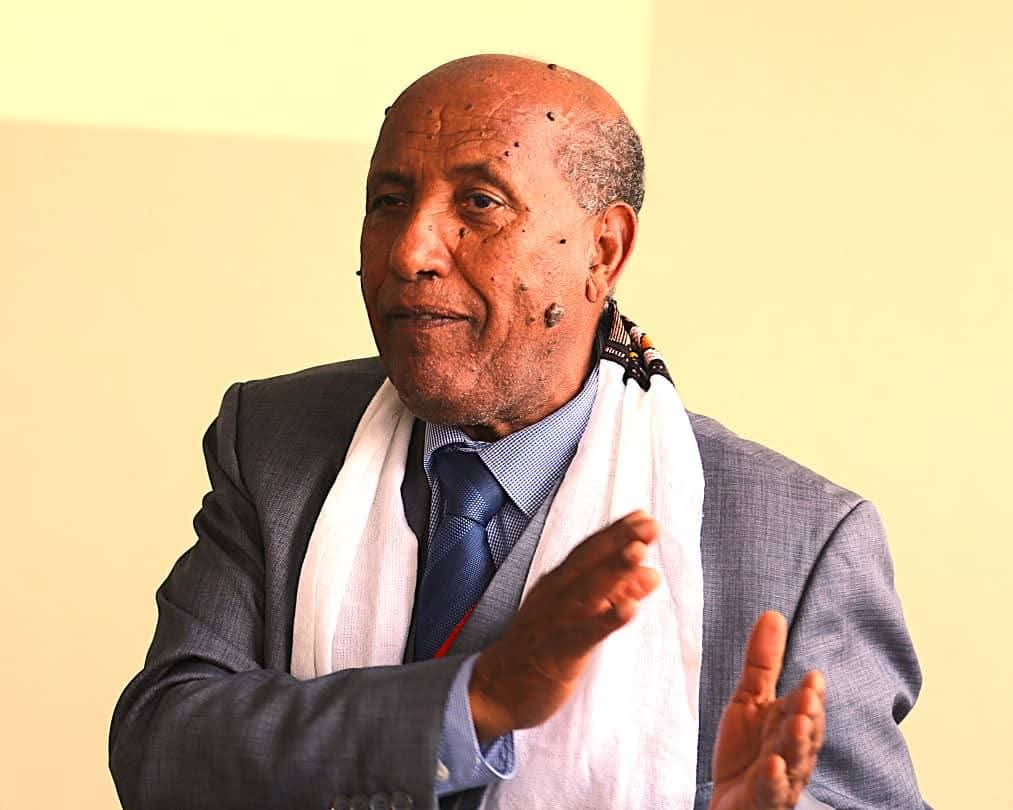
Scholars from Raya, Mekelle, Axum, Jimma, and other universities presented research papers covering a broad range of cultural and anthropological themes. Among them, artist and assistant professor Alemayehu Hafte of Mekelle University presented a study on the role of music in sustainable societal development, highlighting Raya’s musical heritage as both a repository of cultural memory and a living force that connects communities.
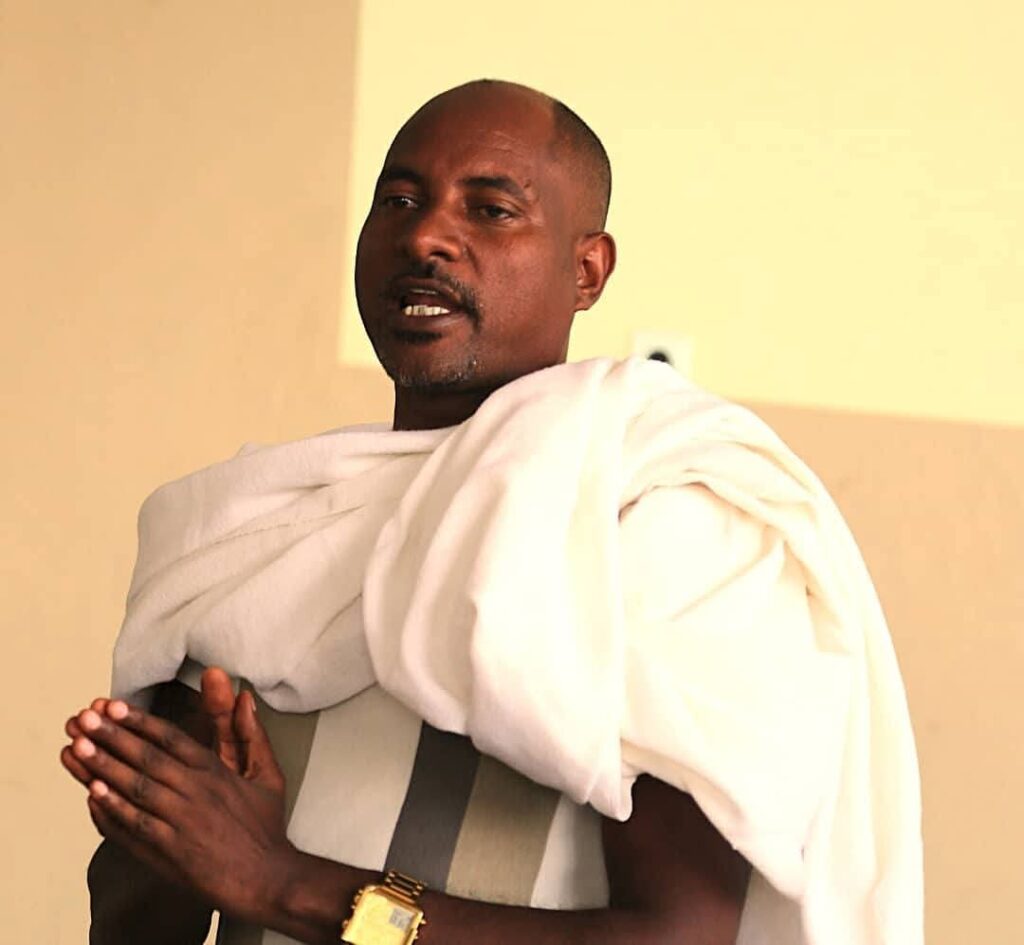
Assistant professor Abreha Kiros of Axum University discussed the reconstruction of Rayan cultural identity through the documentation of historical traditions, landscapes, and belief systems, underscoring the role of historical memory in shaping collective identity.
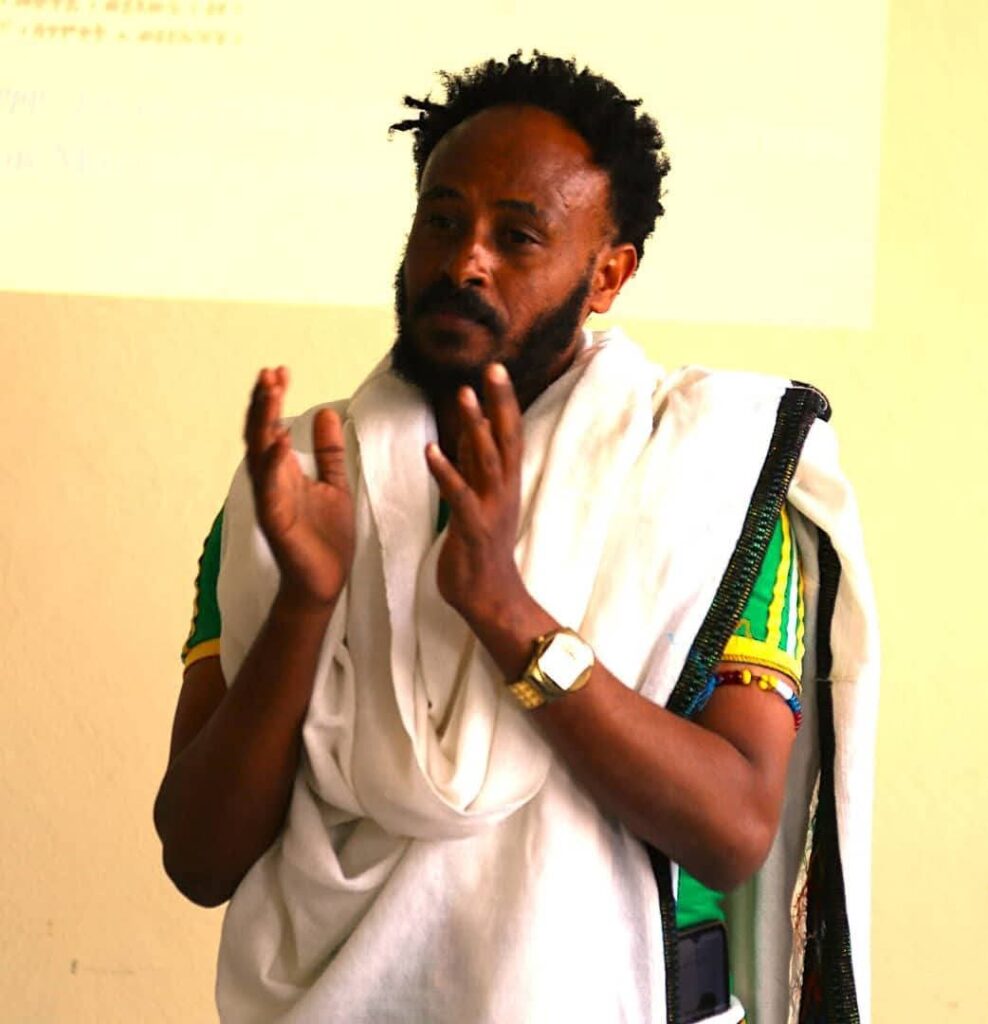
Hagos Abreha, a project manager at the University of Toronto and founder of the Gumaye Foundation, presented on the concept of Gumaye time space, describing it as an indigenous cultural approach to healing and social restoration.
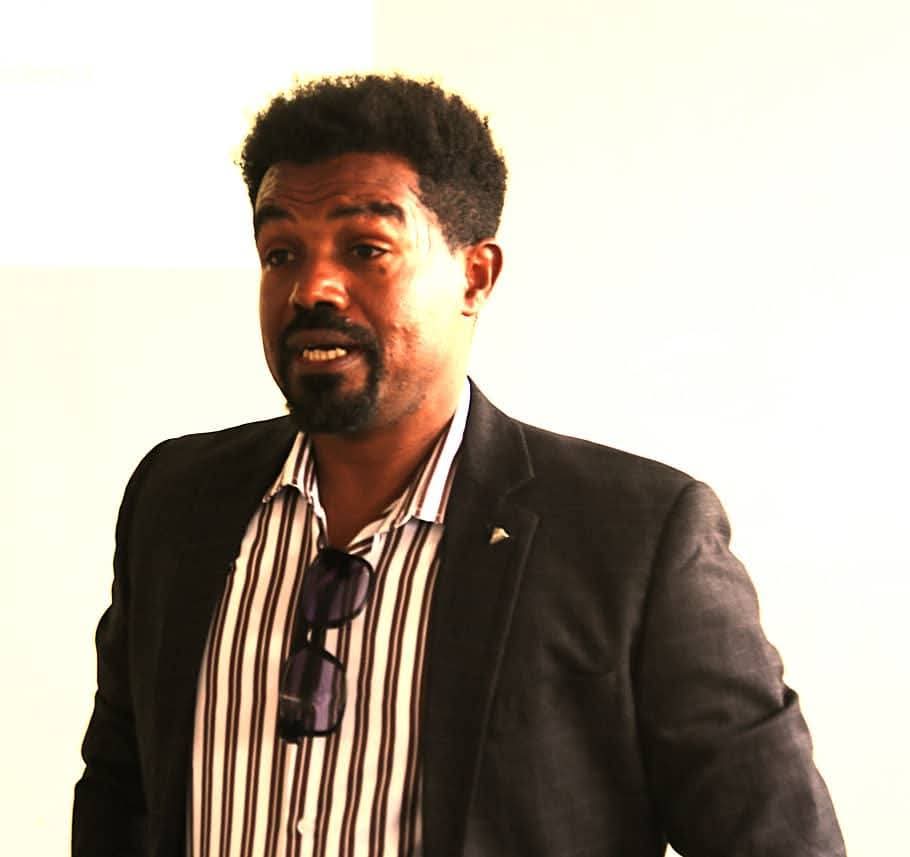
According to information shared by Raya University, Dr. Tadele Mamo of Jimma University examined how organizational culture affects technological innovation in Ethiopian public research institutions, while Kelali Adhena of Mekelle University focused on Rayan cultural intelligence and its potential to guide future oriented and transformative thinking.
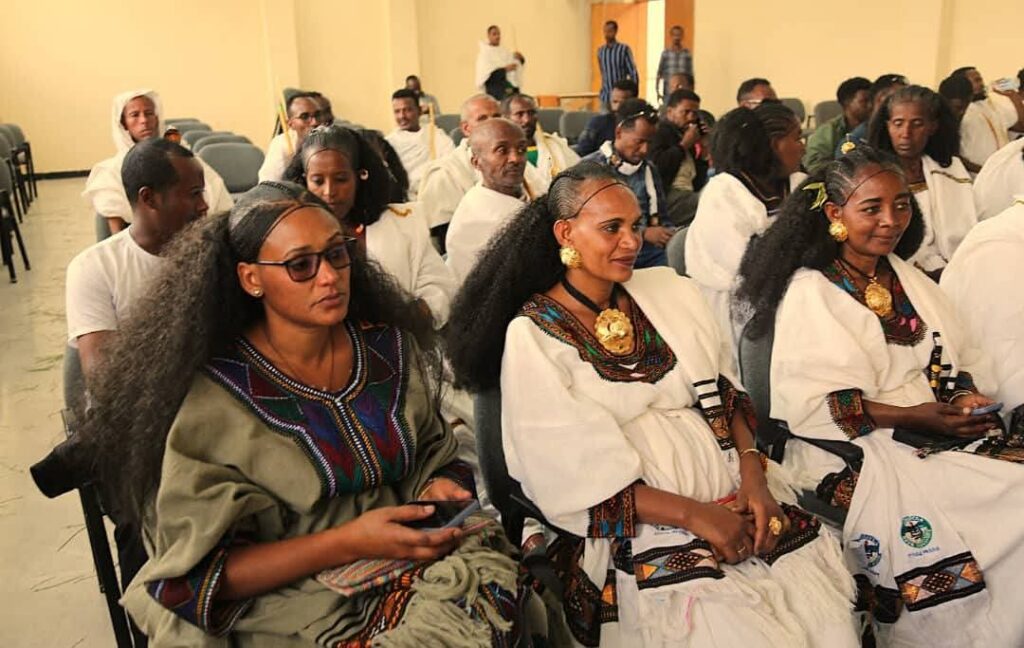
Concluding the academic presentations, Alexander Haymanot of Raya University addressed the importance of formally recognizing and integrating the Abo Gereb cultural heritage and indigenous knowledge into national frameworks for conflict resolution and peacebuilding.
Discussions during the workshop highlighted that education grounded in culture can enhance economic, social, political, and cultural resilience, strengthen human capacity for change, support national development, and foster unity through shared values and collective identity.
Presenters received certificates of recognition from Dr. Nega Afera, Vice President for Academic Affairs at Raya University. In his closing remarks, Dr. Nega stressed the importance of studying both tangible and intangible aspects of Raya’s culture, including its natural environment, traditions, and community practices.
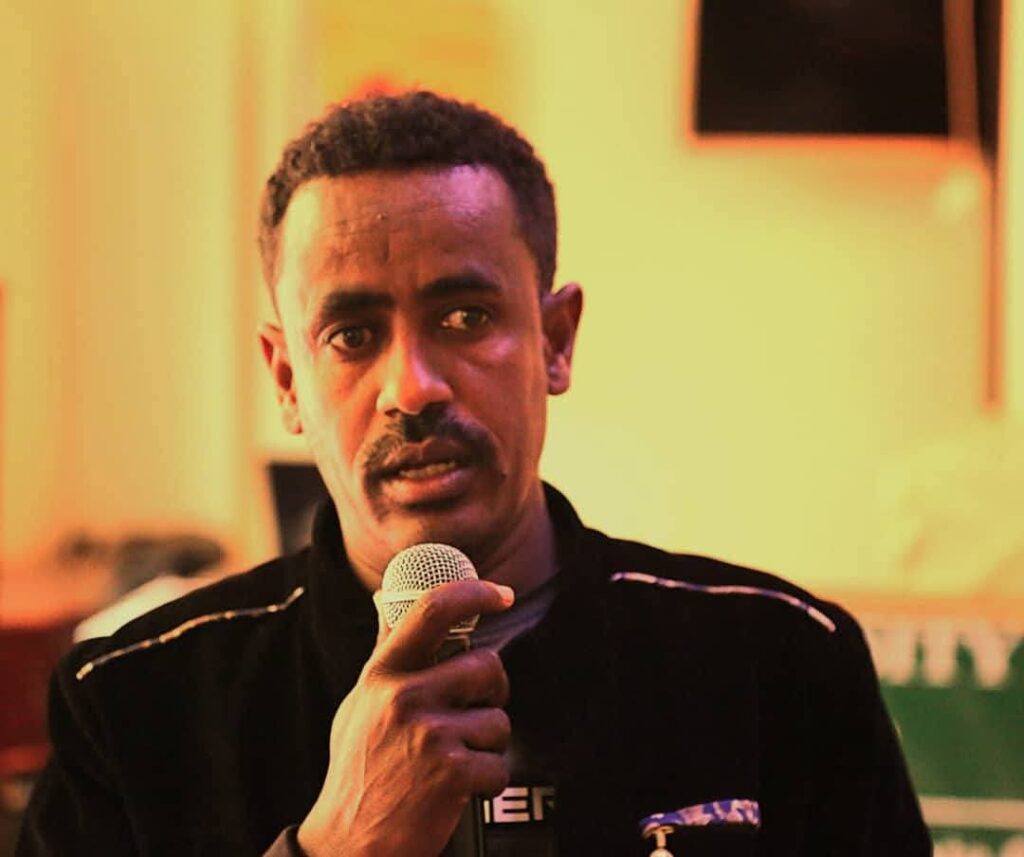
He also announced that January 17, Tir 09, will be observed annually as Culture Day at Raya University to promote cultural preservation, research, and public engagement.
The workshop was held under the theme Knowledge for Societal Change.
———-
Editor’s Disclaimer:
The views and opinions expressed in articles published by Horn News Hub are those of the authors and do not necessarily reflect the official position or editorial stance of Horn News Hub. Publication does not imply endorsement.