
Mekelle/Tel Aviv/Nairobi/Pretoria/London
Menbere Selama at a Crossroads: The Tigray Orthodox Tewahedo Church in the Era of War and Hunger
By Dr. Dawit Tesfay
Institutional Policy & Religion–State Relations Researcher
Introduction: A Church at a Moral Crossroads
The Tigray Orthodox Tewahedo Church, historically revered as the cornerstone of Tigrayan society and a pillar of spiritual and cultural resilience, finds itself at a moment of profound crisis. From its roots in the ancient Axumite civilization, the Church has long served as a source of moral authority and solidarity for its people. However, the ongoing conflict in Tigray, compounded by the region’s humanitarian disasters, has put the institution under scrutiny. The question now is whether the Church will return to its role as a beacon of justice and moral clarity or whether it will further entrench itself in political divisions that risk eroding its integrity.
Autocephaly and Its Limitations
The Tigray Orthodox Church’s declaration of autocephaly (ecclesiastical independence) in 2021 was framed as a necessary step to preserve spiritual autonomy amid the war and political turmoil. The Ethiopian Holy Synod’s marginalization of Tigray’s ecclesiastical voice was cited as a motivating factor, with the Synod’s response to the crisis seen as insufficient.
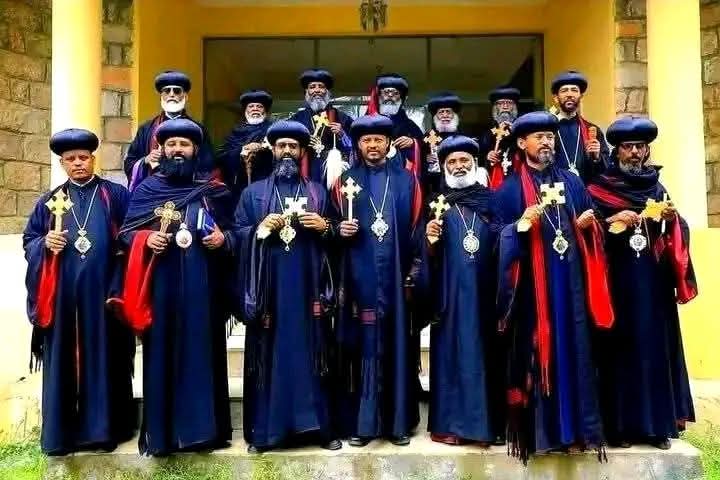
However, autocephaly alone, without a commitment to moral independence, has failed to shield the Church from political entanglement. Elements within the episcopacy have aligned with the Tigray People’s Liberation Front (TPLF), transforming the Church from a spiritual institution into an arm of political factionalism. This alignment has deepened divisions within Tigray, contributing to a loss of trust and diminishing the Church’s role as a neutral moral voice.
The Crisis of Episcopal Integrity
One of the central figures in this crisis is Aba Serekeberhan Woldesamuel, now known as Abuna Salama. Once viewed as a spiritual leader, Abuna Salama’s alignment with the TPLF has sparked controversy. Critics argue that his actions have shifted from spiritual guidance to political advocacy, as he has refrained from condemning human rights abuses committed by TPLF-aligned forces while simultaneously endorsing partisan narratives. Such actions have led to accusations of moral complicity and betrayal of the Gospel’s core message. The Church, instead of being a refuge for the oppressed, has become a tool for political power, further distancing itself from its foundational mission of serving the spiritual and ethical needs of the Tigrayan people.
The Sin of Silence: Atrocities Unacknowledged
Silence in the face of atrocity, particularly in a religious context, carries heavy moral consequences. In Tigray, where credible reports of targeted killings, forced displacements, arbitrary detentions, and other human rights violations have emerged, the Church’s leadership has remained largely silent. This failure to speak out against atrocities committed by politically aligned forces has raised questions about the institution’s ethical integrity. The refusal to condemn human rights violations is not an act of prudence, but rather one of complicity, as the Church has chosen to prioritize political alliances over the moral imperative to defend the vulnerable.
Gold Above Graves: The Church’s Role in the Political Economy of Exploitation
A particularly troubling aspect of the Church’s silence is its response to the illegal gold mining operations in Tigray, which have funded armed factions and exacerbated the region’s instability. These mining activities, which have led to environmental destruction and the militarization of local communities, have generated significant profits for warlords while the population continues to suffer from hunger and displacement.
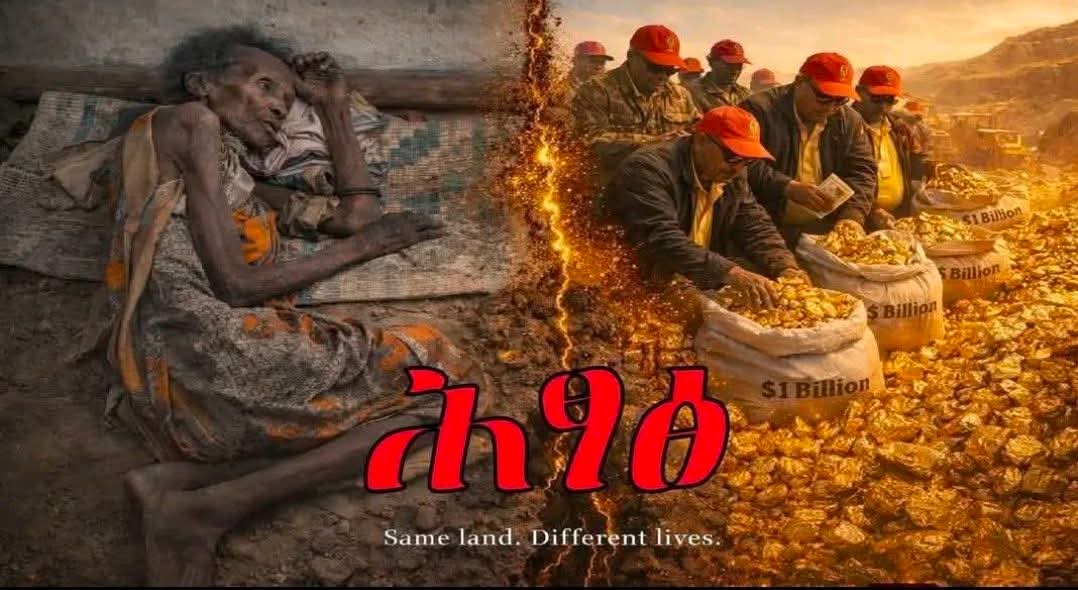
Despite this, sections of the Church’s leadership have refrained from publicly denouncing these activities, raising concerns about the Church’s complicity in the exploitation of Tigray’s resources. The Church’s failure to speak out against the gold economy, which directly contributes to the suffering of its flock, represents a profound moral failure.
Poverty as a Business Model
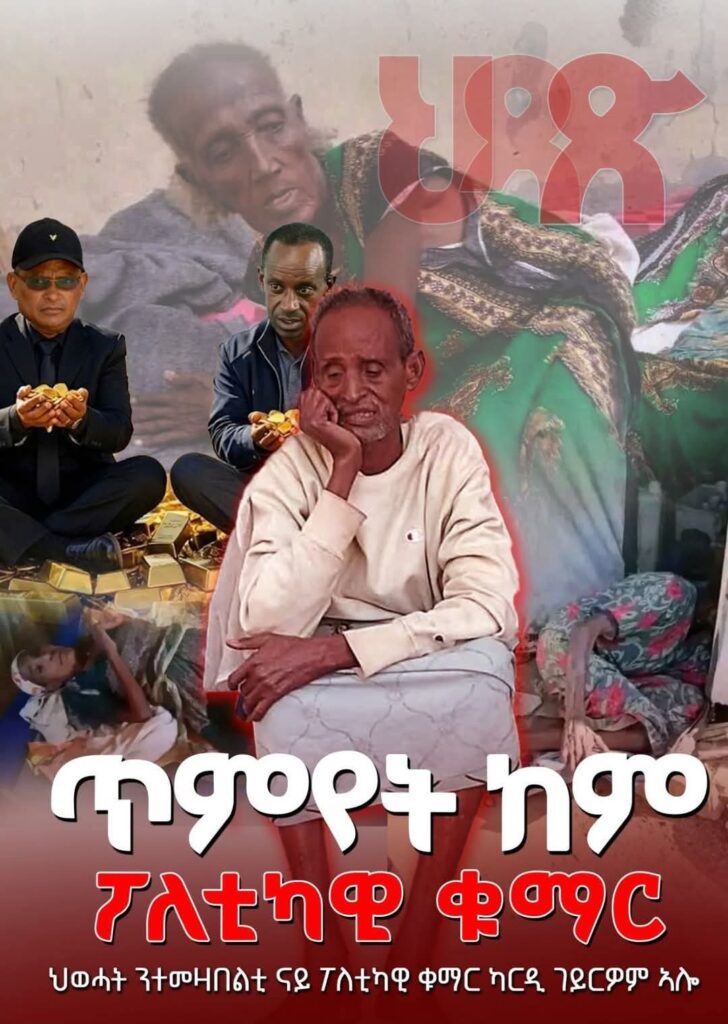
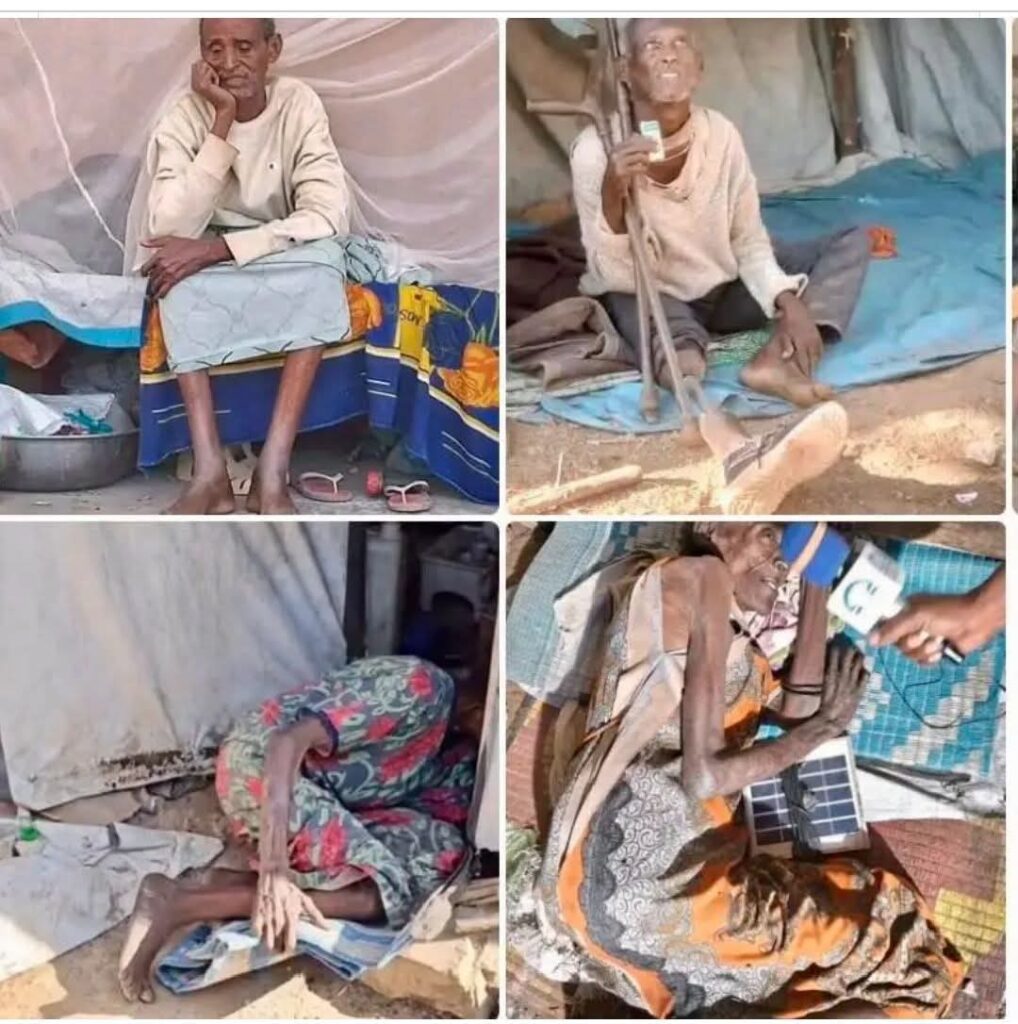
The Tigray Orthodox Church controls substantial assets, including urban landholdings, monasteries, properties, and diaspora remittances. Yet, despite these resources, the Church has been criticized for its insufficient investment in addressing the widespread poverty and hunger in Tigray. Millions of Tigrayans are living in Internally Displaced Persons (IDP) camps, enduring dire conditions, while the Church continues to collect donations, often from the very people it fails to support. Critics argue that the Church’s failure to channel its resources into tangible assistance for the suffering masses represents a form of “poverty extraction,” rather than charity. In this context, the Church’s institutional practices have been accused of perpetuating a cycle of exploitation.
A Comparative Example: The Malankara Orthodox Church
The contrast between the Tigray Orthodox Church and the Malankara Orthodox Syrian Church (MOSC) in India offers a striking example of what can be achieved when religious institutions prioritize social welfare over political entanglements. Despite having a smaller following, the MOSC has built medical colleges, universities, orphanages, and social protection systems, all while maintaining its spiritual identity. In contrast, the Tigray Orthodox Church, with its much larger following and historical legitimacy, has been largely absent from modern civic development. The key difference between the two institutions lies not in their theological principles, but in their governance, courage, and moral clarity.
The Final Question: What Will History Remember?
As the people of Tigray continue to endure the ravages of war and hunger, the Church’s historical legacy is at stake. Will it be remembered as an institution that stood with its people in their greatest moment of need, or as one that prioritized political power and self-preservation? History will not ask about the Church’s ancient roots or the number of followers it claimed; it will ask whether the Church spoke out when its people were suffering, whether it acted when lives were at risk, and whether it used its vast resources to build institutions that uplifted the community. Faith that does not protect life and foster justice risks becoming a hollow memory, tainted by its own complicity.
Conclusion: A Church Must Choose
The Tigray Orthodox Tewahedo Church is at a crossroads. It faces a stark choice: to stand as a prophetic voice for justice and human dignity, or to continue down the path of political subservience and moral abdication. The Church must decide whether to serve the people of Tigray or to protect the interests of the political elite. A return to moral courage and institutional accountability could redeem its legacy. However, if it chooses to cling to power and silence, it risks collapsing under the weight of its own ethical failures. The Church must choose whom it serves its people or the political forces that have captured it.
Editor’s Disclaimer:
The views and opinions expressed in articles published by Horn News Hub are those of the authors and do not necessarily reflect the official position or editorial stance of Horn News Hub. Publication does not imply endorsement.