
Mekelle/Tel Aviv/Nairobi/Pretoria/London
Israel’s Recognition of Somaliland: A Game-Changer for Regional Geopolitics
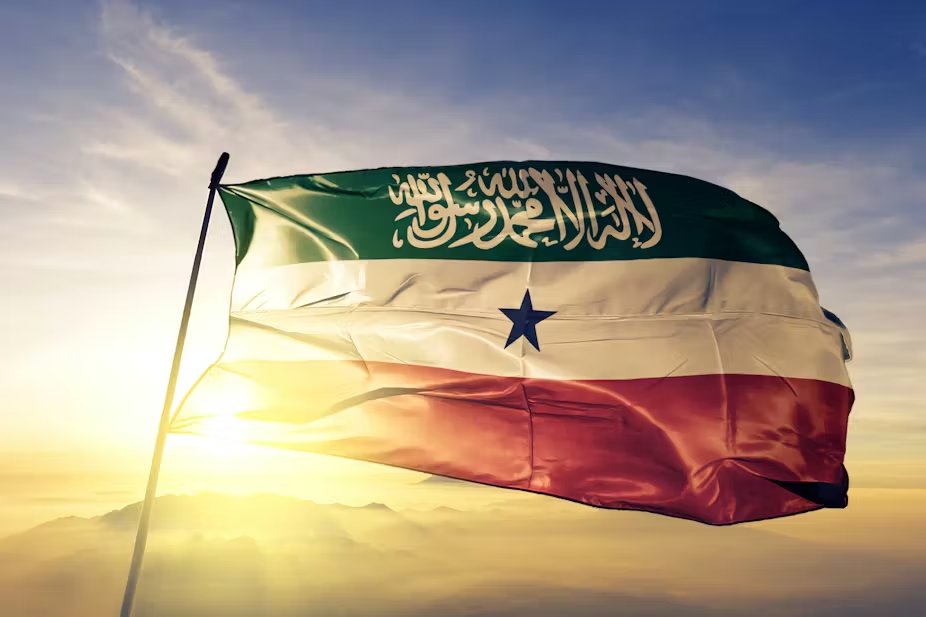
In a historic move, Israel has officially recognized Somaliland as an independent state, making it the first country to do so. This significant development marks a milestone for the self-declared republic, which has been functioning as a de facto state since its declaration of independence in 1991, following the collapse of Somalia under the regime of Siad Barre.
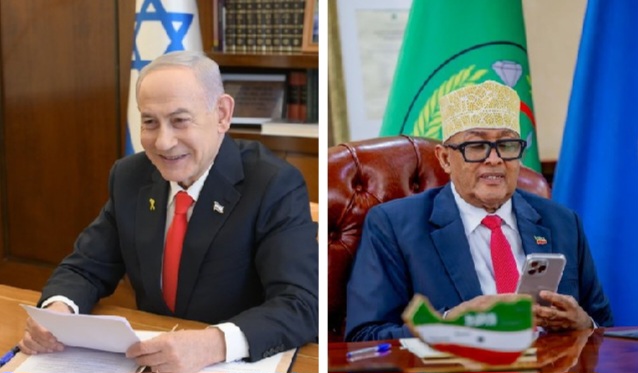
Israeli Prime Minister Benjamin Netanyahu announced the decision in a statement, confirming that the recognition would be followed by an expansion of cooperation between the two nations in areas such as agriculture, health, and technology. Somaliland’s President Abdirahman Mohamed Abdullahi hailed the move as “a historic moment,” underscoring the importance of the recognition both for the region and for Somaliland’s future.
The decision to recognize Somaliland is more than just a diplomatic gesture. It represents a shift in regional dynamics and has broader implications for the Horn of Africa, the Red Sea, and the Middle East. This move signals a new approach to international relations, one that prioritizes strategic alliances and stability over longstanding debates on territorial integrity.
Diplomatic Isolation and Strategic Shift
Somaliland’s quest for international recognition has been stalled for over three decades. Despite having its own currency, security forces, a functioning electoral system, and a relatively stable government, the region has remained largely excluded from international diplomatic circles. This exclusion has largely been due to the adherence to the principle of territorial integrity, which has long denied recognition to regions that have unilaterally declared independence, such as Somaliland.
Israel’s decision to recognize Somaliland directly challenges this principle, introducing a new dynamic in international diplomacy. By focusing on governance, stability, and strategic relevance, Israel has shifted the conversation from post-Cold War legalities to realpolitik considerations. This marks a critical departure from previous norms and opens the door for other nations to follow suit, potentially paving the way for Somaliland’s broader integration into the international system.
Geostrategic Significance
Somaliland’s location at the crossroads of the Horn of Africa makes it a critical player in global maritime and energy security. Overlooking the Gulf of Aden and adjacent to the Bab el-Mandeb Strait—one of the world’s most important maritime chokepoints—Somaliland is ideally situated to control access between the Red Sea and the Arabian Sea. Its proximity to the Middle East, India, and Africa gives it strategic leverage in both military and economic terms.
In a world where control over vital sea lanes and ports is increasingly crucial, Somaliland’s geographical positioning cannot be overstated. As global powers continue to jockey for influence over strategic corridors, Somaliland’s location makes it a pivotal player in the ongoing contest for global power projection.
Implications for Regional Stability
Israel’s recognition of Somaliland may have far-reaching consequences for regional security, particularly in the context of the ongoing instability in Yemen. The UAE-backed Southern Transitional Council (STC) in southern Yemen, which has seized control of key oil-producing regions, complicates the already fragile security landscape in the Red Sea and Gulf of Aden. By recognizing Somaliland, Israel effectively adds a stable, pro-security actor to this volatile region, potentially altering the balance of power in the Horn of Africa and Red Sea.
This recognition also aligns with broader trends in international relations, particularly those seen in the Middle East. The Abraham Accords, which normalized relations between Israel and several Arab countries, emphasized the importance of shared security and economic interests over ideological differences. Somaliland’s pro-Western stance and its interest in maintaining regional stability make it a natural partner for Israel, echoing the logic behind these historic accords.
Economic Considerations
In addition to its geostrategic importance, Somaliland offers significant economic potential. As global powers increasingly focus on securing key economic assets—such as energy corridors, strategic minerals, and advanced technology infrastructure—Somaliland’s location makes it a prime candidate for international investment. Israel’s recognition could open the door for new partnerships in sectors ranging from technology and agriculture to maritime trade.
Somaliland’s economic future will likely be shaped by its ability to leverage its strategic position and secure foreign investment. With Israel now officially on its side, it stands to benefit from a stronger diplomatic and economic position, which could lead to increased opportunities for trade and development.
Challenges and the Path Ahead
Despite the optimism surrounding Israel’s recognition, Somaliland’s path to full international integration remains uncertain. The region continues to face challenges related to its non-recognition by Somalia and other international bodies. While Israel’s move may inspire other nations to follow suit, the complex political and diplomatic landscape of the Horn of Africa means that the road to broader recognition will likely be slow and fraught with obstacles.
Moreover, the issue of Somalia’s territorial claims over Somaliland is unlikely to fade, and the broader international community may continue to tread carefully in its approach to Somaliland’s sovereignty. The coming months and years will reveal whether Israel’s recognition serves as a catalyst for wider international acceptance or remains an isolated diplomatic act.
Conclusion
Israel’s recognition of Somaliland represents a watershed moment in the geopolitics of the Horn of Africa. It challenges outdated diplomatic norms, acknowledges the region’s strategic significance, and underscores the growing importance of geoeconomics in shaping global power dynamics. While the long-term implications of this recognition remain to be seen, it has undoubtedly set the stage for a new chapter in Somaliland’s journey toward international recognition and integration into the global system.
As the Horn of Africa and the Red Sea become increasingly critical theaters of global competition, Somaliland’s future role as a geostrategic actor looks more secure than ever. The ripple effects of this recognition may soon be felt across the broader Middle East–Horn of Africa corridor, as nations reassess their alliances and strategic interests in a rapidly changing world.
Editor’s Disclaimer:
The views and opinions expressed in articles published by Horn News Hub are those of the authors and do not necessarily reflect the official position or editorial stance of Horn News Hub. Publication does not imply endorsement.