

Mekelle/Tel Aviv/Nairobi/Pretoria/London
Tigray Power Struggle Intensifies as Lt. Gen. Tadesse Werede Faces Growing Internal Opposition
HORN OF AFRICA GEOPOLITICAL REVIEW (HAGR)
Special Report | November 2025
Tigray’s fragile post-war political environment is undergoing renewed turbulence as senior TPLF military figures move against Lt. Gen. Tadesse Werede, a key commander whose rise to influence followed the collapse of the former interim administration.
A Turning Point After Months of Internal Tension
Nearly eight months after Lt. Gen. Tadesse consolidated authority within Tigray’s security and administrative structures, multiple sources now confirm that factions within the TPLF military establishment have shifted sharply against him. The reversal marks one of the most significant internal ruptures since the Pretoria Agreement was signed in November 2022.
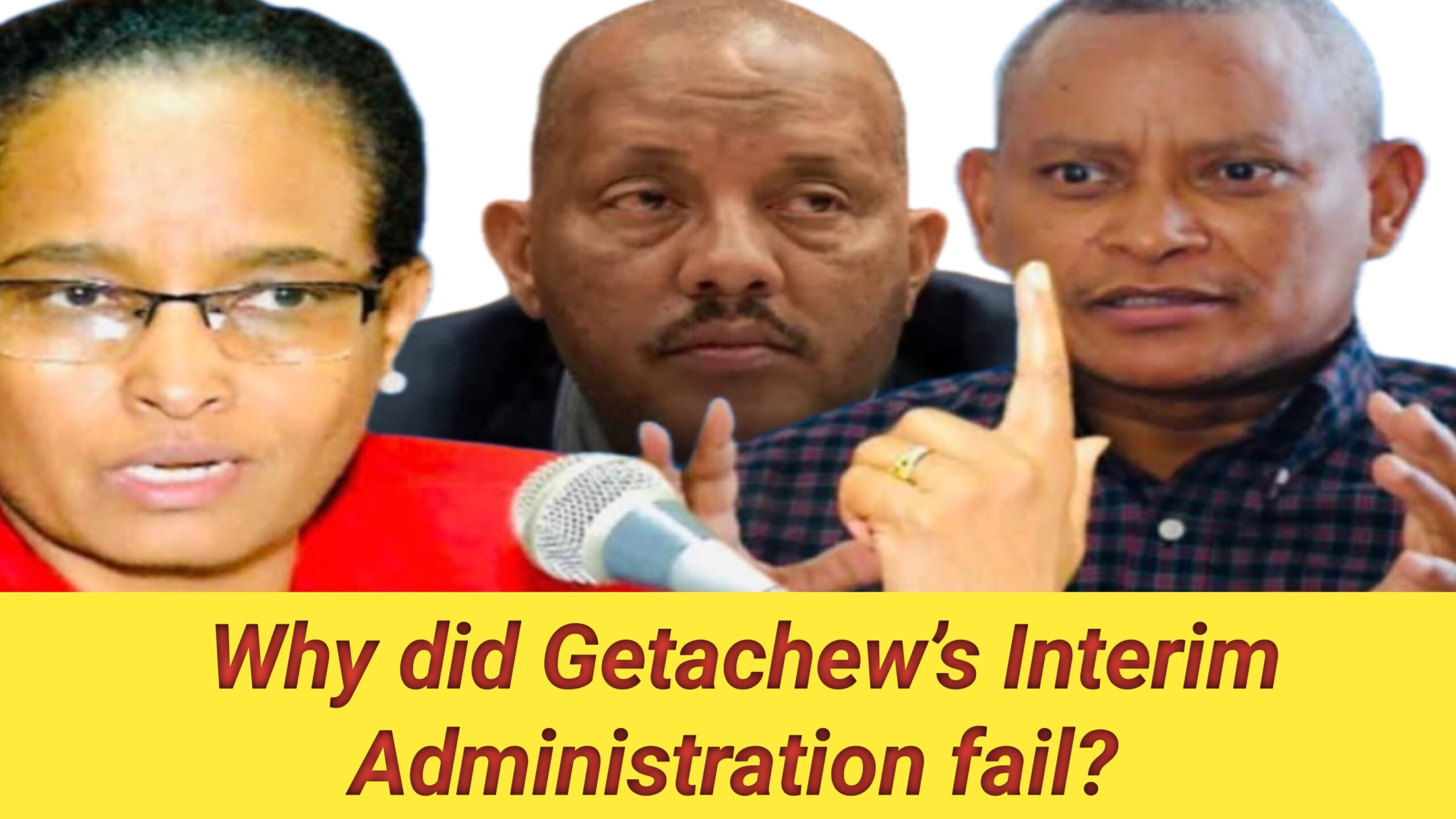
Tadesse, who worked closely with senior military networks sometimes described by observers as the “Above the Core” group, played a central role in sidelining the former interim president, Getachew Reda, earlier this year. His ascent was widely viewed as a consolidation of influence by a narrow military-led bloc at a time when Tigray was attempting to re-establish civilian governance.

Analysts Cite Structural Fractures and Leadership Disputes
Political analysts say the rift now emerging reflects longstanding tensions over the balance of power between civilian leadership, reformist elements, and entrenched military actors.
Sources familiar with the situation report several contributing factors:
Concentration of authority: Critics within the TPLF and Tigray’s security apparatus argue that Tadesse centralized power through informal networks rather than institutional frameworks.
Policy and coordination challenges: Observers note growing concerns about inconsistent security directives and fragmented command structures.
Deteriorating relations with senior figures: Tensions with respected military intellectuals, including General Tsadkan Gebretensae, further deepened divisions among key actors.
Concerns over governance and economic management: Allegations tied to illicit economic activities, including unregulated mining and revenue networks, heightened scrutiny over the general’s leadership.
While no formal public statement has been issued by TPLF’s top leadership, internal signals suggest that senior commanders who once backed Tadesse are now coordinating efforts to curtail his influence.
A Cycle of Political Reversals
The unfolding power struggle underscores a broader pattern in Tigray’s modern political history: internal rivalries often shape leadership transitions as much as external pressures. Analysts caution that the current rift could further destabilize a region already grappling with reconstruction challenges, humanitarian constraints, and delicate relations with federal authorities.
“The situation reflects unresolved questions about legitimacy, accountability, and the role of the military in post-conflict governance,” one regional expert told HAGR. “Until there is a clear civilian-led roadmap, these power struggles are likely to persist.”
Implications for Tigray’s Transition
The emerging confrontation has raised several concerns among diplomats and civil society groups:
Impact on the Pretoria Agreement implementation
Potential setbacks to security stabilization
Risks of renewed factionalism within Tigray’s defense forces
Delays to governance reforms and economic recovery efforts
Observers stress that the outcome of this internal fallout could shape Tigray’s political trajectory for years to come. Calls for a return to civilian-led governance have grown louder in recent months, with analysts arguing that sustained stability will require a more inclusive and transparent decision-making structure.
Uncertain Road Ahead
As TPLF military elites reposition themselves, it remains unclear whether the current pressure on Lt. Gen. Tadesse will lead to his removal, a negotiated restructuring of command, or a broader political recalibration within Tigray’s leadership.
What is evident, analysts say, is that the power struggle marks a decisive moment in Tigray’s post-war transition. The coming weeks are expected to reveal whether this internal shift will ease longstanding tensions—or deepen them.
Editor’s Disclaimer:
The views and opinions expressed in articles published by Horn News Hub are those of the authors and do not necessarily reflect the official position or editorial stance of Horn News Hub. Publication does not imply endorsement.