
Mekelle/Tel Aviv/Nairobi/Pretoria/London፡
GERD Poised to Generate Up to $1.5 Billion Annually as Ethiopia Enters Power Export Era
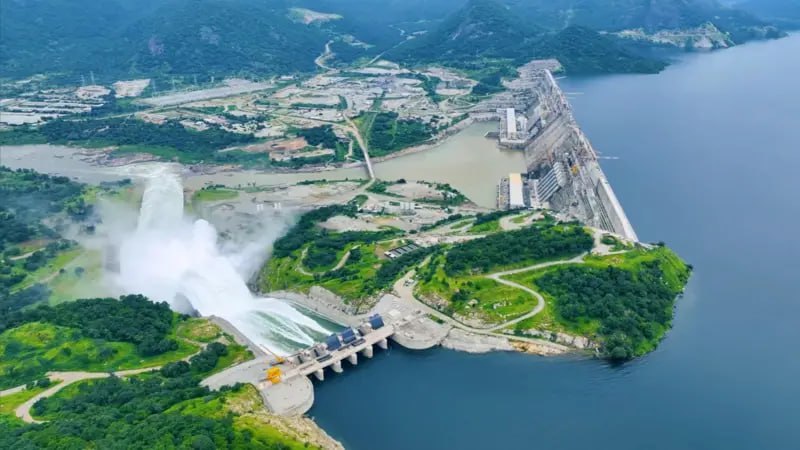
Ethiopia has completed construction of the Grand Ethiopian Renaissance Dam, closing a 14 year national project that is expected to transform the country’s energy sector and regional standing. With an installed capacity of about 5,150 megawatts and projected annual output of 15,700 gigawatt hours, officials and energy experts estimate that the dam could generate between $1 billion and $1.5 billion in annual revenue once fully operational.
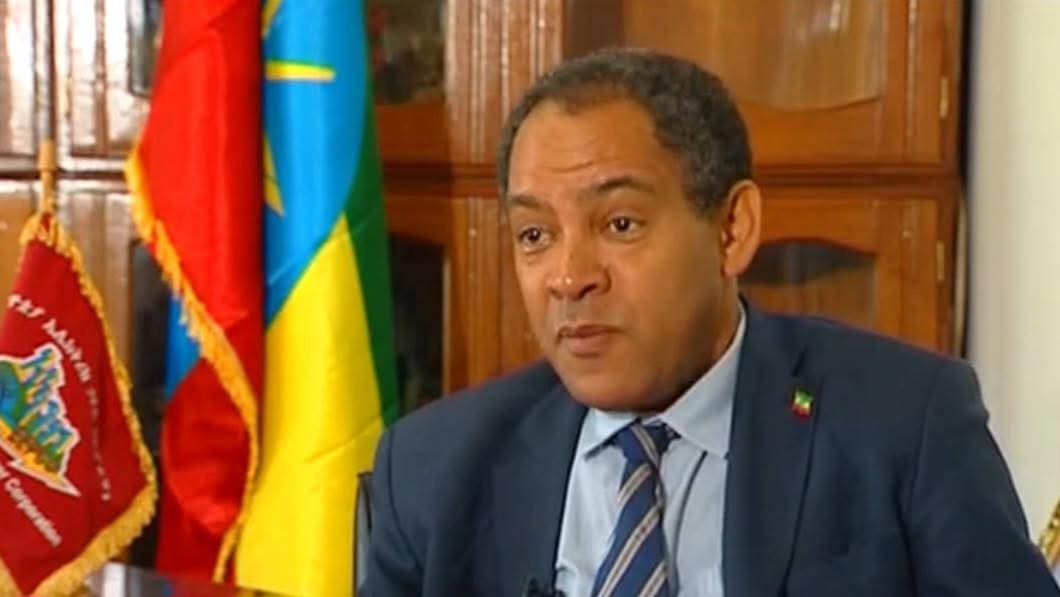
Former Ethiopian Electric Power Authority chief executive Meheret Debebe said that, using a conservative average electricity price of $0.10 per kilowatt hour, GERD’s output translates into roughly $1.5 billion a year. Revenues could rise further through expanded regional power trade, as Ethiopia strengthens cross border electricity exports.
The dam is central to Ethiopia’s ambition to become a major energy exporter. Power is already supplied to Kenya, Djibouti and Sudan, with additional regional markets under discussion. Officials argue that beyond direct income, GERD will support industrial growth, lower domestic energy costs, generate foreign currency and deepen regional economic integration.
Standing 170 meters high on the Blue Nile in Benishangul Gumuz, GERD is Africa’s largest hydropower project. Its reservoir, Lake Nigat, stores up to 74 billion cubic meters of water. The plant’s scale exceeds that of Egypt’s Aswan High Dam in electricity generation and is expected to prevent around 2 million tons of greenhouse gas emissions annually.
Unlike many large African infrastructure projects, GERD was largely self financed. The estimated $5.2 billion cost was covered through domestic bonds, public contributions and salary deductions, making it a symbol of national mobilization.
Revenue projections, however, remain debated. The Ethiopian Policy Institute and independent economists note that current electricity export earnings are far lower. Ethiopian Electric Power reported around $100 million in export revenue last year, with forecasts of up to $300 million in the near term. Analysts argue that limited transmission capacity, domestic power shortages and grid reliability will constrain earnings in the short run.
Despite these challenges, the government maintains that GERD marks a strategic shift. Prime Minister Abiy Ahmed has described the project as proof of economic sovereignty and delivery capacity, emphasizing that it was built without foreign aid or loans.

As electricity generation ramps up, the key test will be whether Ethiopia can expand its grid and regional connections fast enough to turn GERD’s vast capacity into sustained revenue and broader domestic access.
———-
Editor’s Disclaimer:
The views and opinions expressed in articles published by Horn News Hub are those of the authors and do not necessarily reflect the official position or editorial stance of Horn News Hub. Publication does not imply endorsement.