

Mekelle/Tel Aviv/Nairobi/Pretoria/London
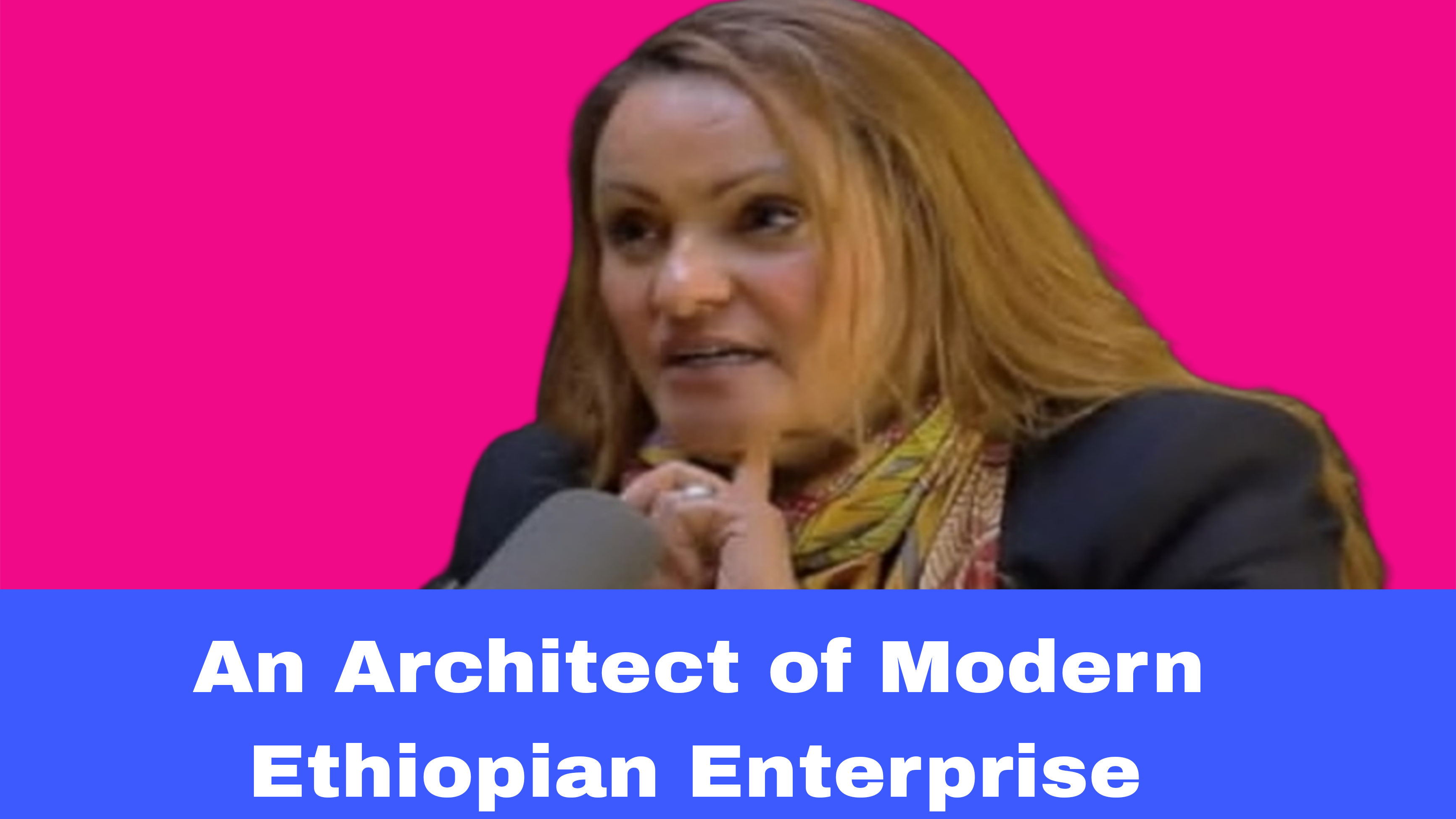
Gizeshwork Tessema and the Business of Nation-Building
By Chekole Alemu
Since the early 2000s, Addis Ababa has been reshaped by foreign investment, rapid urbanization, and a growing confidence in Ethiopia’s economic future. Glass towers rose where low-rise buildings once stood. A new middle class took shape. With it emerged a generation of business leaders who combined global exposure with a strong sense of national purpose. Few figures capture this transition as clearly as Gizeshwork Tessema.

Gizeshwork’s story is not one of sudden fortune. It is the result of patience, discipline, and more than two decades of relentless work. She founded GIZE PLC over 25 years ago, entering the demanding world of international maritime transport and logistics at a time when Ethiopia’s private sector was still constrained by limited infrastructure and access to global markets. Through persistence and strategic thinking, she built a company that solved real logistical bottlenecks for Ethiopian trade, gradually earning credibility at home and abroad.

Her success coincided with Addis Ababa’s transformation. As housing projects multiplied and new commercial districts took shape, electricity demand surged. For Gizeshwork, economic growth without energy security was an illusion. The Grand Ethiopian Renaissance Dam was not just a hydroelectric project in her eyes. It was the backbone of Ethiopia’s industrial future and a statement of national self-reliance.
She stepped forward when the country needed its business community to do more than comment from the sidelines. As a leading figure in GERD fundraising efforts, Gizeshwork helped mobilize roughly two million euros from private sector actors. This was not symbolic support. It was decisive capital raised through persuasion, coordination, and personal credibility. She understood that energy was the missing link between Ethiopia’s ambition and its reality, especially for rural areas where the majority of citizens still lived without reliable electricity.

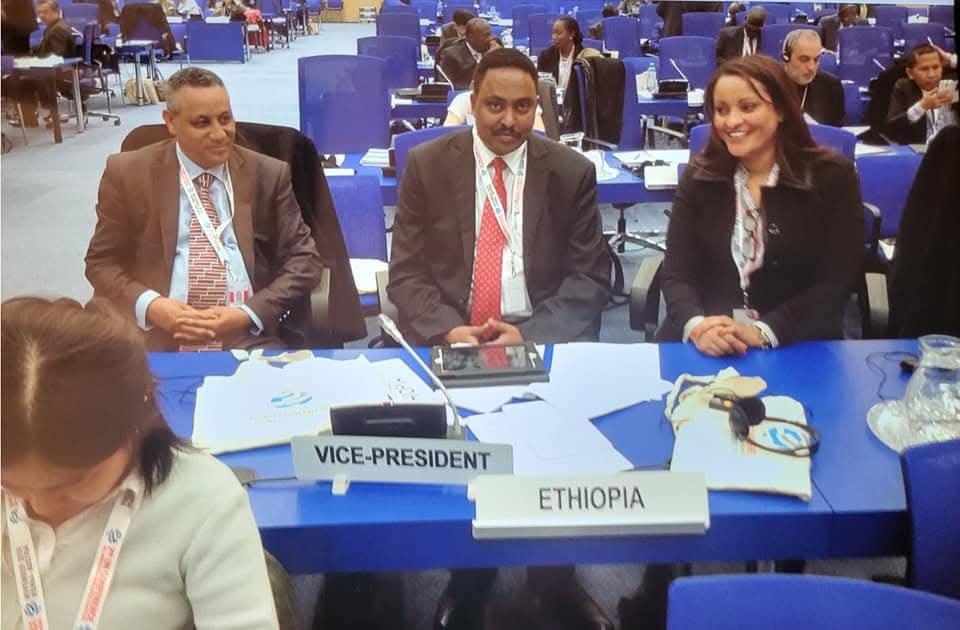
Her leadership extended beyond fundraising. At international forums, including platforms linked to the United Nations Global Compact, she consistently framed GERD as a development project rather than a political provocation. She spoke in the language of energy equity, regional growth, and African-led solutions. In doing so, she helped normalize Ethiopia’s right to develop, while projecting confidence rather than confrontation.
At home, her life reflects both achievement and intention. Gizeshwork enjoys a comfortable lifestyle, the visible reward of decades of work. Yet she is careful to frame success as responsibility. “I’ve worked hard for over 25 years to give us all of this,” she says, not as a boast, but as a reminder that progress is earned, not inherited.

That ethic is visible in the next generation. Her daughter, Mesgana, educated at top international schools and fluent in French, represents a new Ethiopian identity. Globally aware, technologically fluent, and unapologetically ambitious. Mesgana speaks candidly about Ethiopia’s future, comparing its likely development path to China’s scale and speed, even as she admires Western institutions. It is a realistic, unsentimental view, grounded in observation rather than ideology.

Together, mother and daughter are investing their time and resources beyond Addis Ababa’s financial district. They are engaged in initiatives aimed at rural development, including discussions with diaspora entrepreneurs running microcredit startups. For farmers, access to small loans can mean access to machinery, irrigation tools, and productivity. For Gizeshwork, this is where GERD’s electricity must ultimately matter. Power that does not reach villages is incomplete power.
Her broader portfolio reflects the same logic. From logistics and energy consulting to digital health and capital markets, Gizeshwork has positioned herself at the intersections where infrastructure meets human need. She has led telemedicine initiatives designed to connect remote communities with global medical expertise. She has contributed to financial system integration through payment infrastructure linking major Ethiopian banks. She is preparing national-level training programs in cybersecurity awareness, recognizing that digital growth without security is fragile growth.
She is also co-founding an investment banking firm to help mobilize capital for Ethiopia and the region, signaling a shift from operational business to institutional legacy building. Throughout, she has remained vocal about mentoring young professionals, especially women. Her message is consistent. Progress is continuous. Standing still is the real failure.
Physically striking and intellectually formidable, Gizeshwork Tessema embodies a new image of Ethiopian leadership. Confident without arrogance. Patriotic without isolation. Global without detachment. For many young Ethiopians, she represents proof that success and service do not have to compete.
As the Grand Ethiopian Renaissance Dam moves from construction to full operation, its turbines will do more than generate electricity. They will illuminate a story of collective effort, where private citizens played a decisive role in a national project.
Gizeshwork Tessema’s contribution to that effort places her firmly among the architects of modern Ethiopia’s economic future.
When people look at figures like Mesgana, they see tomorrow. When they look at Gizeshwork, they see how tomorrow is built.
———-
Editor’s Disclaimer:
The views and opinions expressed in articles published by Horn News Hub are those of the authors and do not necessarily reflect the official position or editorial stance of Horn News Hub. Publication does not imply endorsement.