

Mekelle/Tel Aviv/Nairobi/Pretoria/London
Hitsats IDP Center Raises Alarms Over Starvation, Governance Failures in Post-War Tigray
By Horn of Africa Geopolitical Review (HAGR)
Shire, Tigray
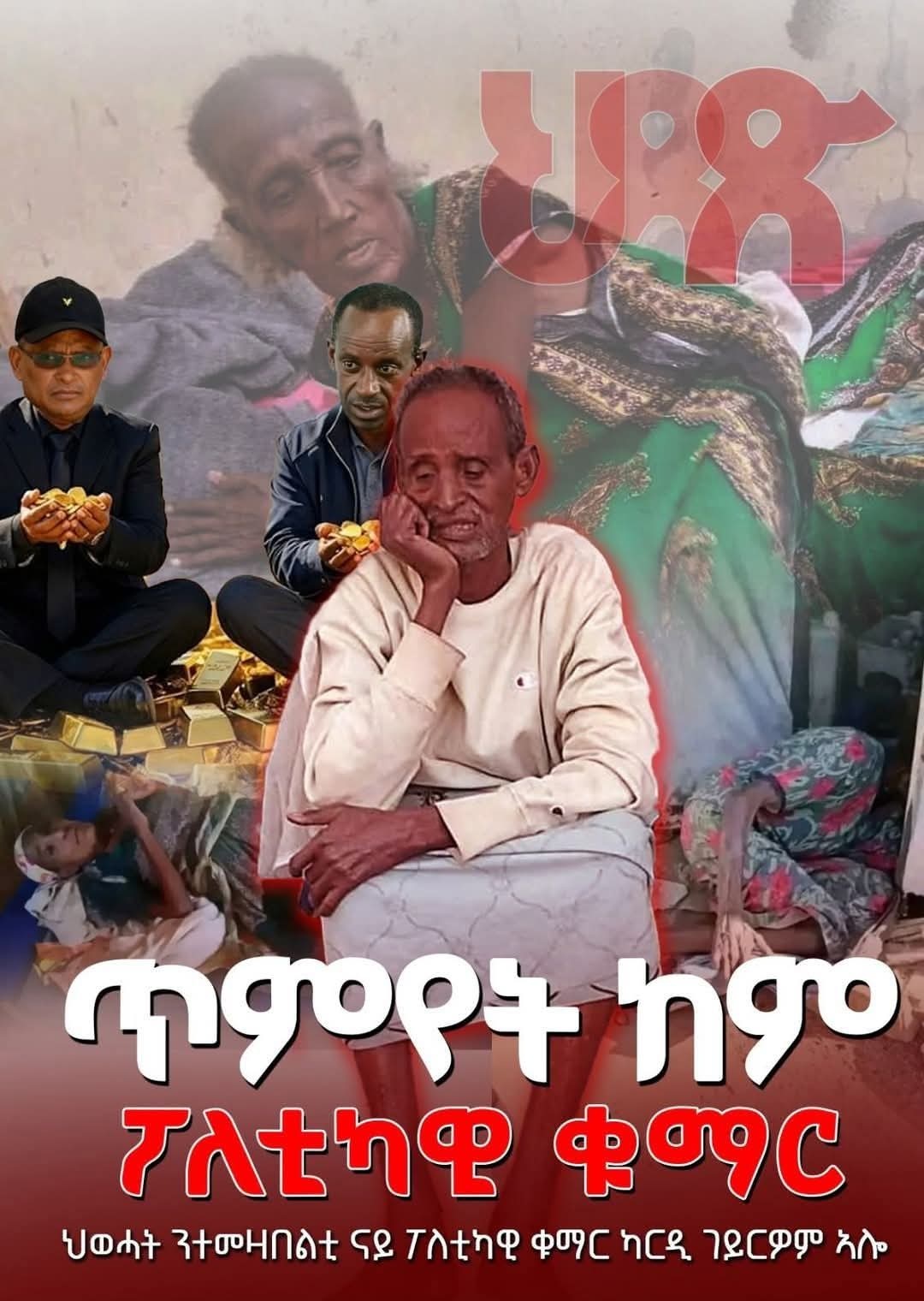
The humanitarian situation at the Hitsats internally displaced persons center in northwestern Tigray has drawn growing concern from residents, local observers, and civil society voices, as reports of starvation, illness, and lack of basic services continue to emerge months after the end of large-scale fighting.
Hitsats, along with nearby sites such as Dedebit and Sheraro, shelters civilians displaced mainly from Western Tigray during the war. At the height of displacement, Shire and its surroundings hosted an estimated 350,000 IDPs, making the area one of the largest displacement hubs in the Horn of Africa. While active conflict has subsided, conditions at several camps remain dire.
According to testimonies from camp residents and humanitarian workers, many IDPs face chronic food shortages, limited access to medical care, and inadequate shelter. Deaths linked to hunger-related complications and untreated illnesses are reported to occur regularly, though comprehensive and independently verified figures are not publicly available.
Aid delivery and governance questions
The crisis has intensified scrutiny of post-war governance in Tigray. Critics argue that humanitarian assistance is not reaching vulnerable populations consistently and transparently. Allegations include diversion of aid, weak oversight, and politicization of relief distribution.
Tigray’s Interim Regional Administration has acknowledged logistical and financial constraints but denies deliberate neglect. Officials say the scale of displacement, reduced international aid, and damaged infrastructure have strained their capacity. However, calls for clearer data, independent monitoring, and unrestricted media access to IDP sites have grown louder.
Observers note that the interim administration is led largely by former military figures, a reality that has fueled debate over the balance between security priorities and civilian governance in the post-war period.
Resource wealth amid humanitarian distress
Another point of contention is the contrast between humanitarian suffering and resource extraction in northwestern Tigray. The area is known for extensive gold deposits, and both licensed and informal mining activities have expanded in recent years.
Local analysts and community activists claim that revenues from gold mining have not translated into improved living conditions for displaced civilians. They argue that weak regulation and alleged links between mining interests and political or military elites have deepened mistrust. Regional authorities have stated that mining is regulated and contributes to regional revenue, though details on allocation and oversight remain limited.
Starvation as a political issue
Human rights advocates warn that prolonged deprivation, regardless of intent, risks becoming normalized in a fragile post-war environment. They stress that starvation and lack of medical care can constitute serious violations if authorities fail to take reasonable measures to prevent them.
Several civil society groups have called for independent investigations into aid delivery, financial flows linked to natural resources, and decision-making within regional institutions. They also urge federal authorities and international partners to ensure humanitarian access without political interference.
Silence, fear, and public debate
Public discussion of the situation inside Tigray remains constrained. Years of war, trauma, and political polarization have left many residents wary of speaking openly. Analysts note that this silence, whether driven by fear or exhaustion, complicates accountability and delays corrective action.
At the same time, younger activists and diaspora voices have increasingly used digital platforms to highlight conditions at IDP sites, pressuring authorities to respond and drawing national attention to camps like Hitsats.
Calls for immediate steps
There is broad agreement among humanitarian experts on several urgent needs: unrestricted access for aid agencies and journalists, transparent reporting on relief distribution, independent oversight mechanisms, and concrete plans for the safe return or resettlement of displaced populations.
As Tigray moves further into its post-war phase, the situation at Hitsats stands as a critical test of recovery, governance, and political responsibility. Whether the region can transition from military-led control to accountable civilian administration may determine not only the fate of thousands of displaced families, but also the credibility of the peace itself.
For many IDPs, the issue is no longer about promises or political narratives. It is about food, medicine, and survival in a time officially described as peace.
Editor’s Disclaimer:
The views and opinions expressed in articles published by Horn News Hub are those of the authors and do not necessarily reflect the official position or editorial stance of Horn News Hub. Publication does not imply endorsement.