
Mekelle/Tel Aviv/Nairobi/Pretoria/London
Turning the Tide: Somali Region’s Rise from Neglect to National Asset
By Chekole Alemu
Over the past eight years, Ethiopia’s Somali Region has undergone a transformation few would have predicted a decade ago. Once described in security briefings as a pressure point and, at times, a threat to national stability, the region is now increasingly framed as one of Ethiopia’s most important development frontiers. This shift did not happen by chance. It followed the rise of reformist leadership that placed stability, economic integration, and public service delivery at the center of regional governance.
For years, the Somali Region was associated with conflict, weak institutions, and economic isolation. State presence was limited, private investment was rare, and internal revenue collection was almost nonexistent. Today, that picture has changed in fundamental ways. The region is no longer a burden on the federal system. It is becoming one of its contributors.
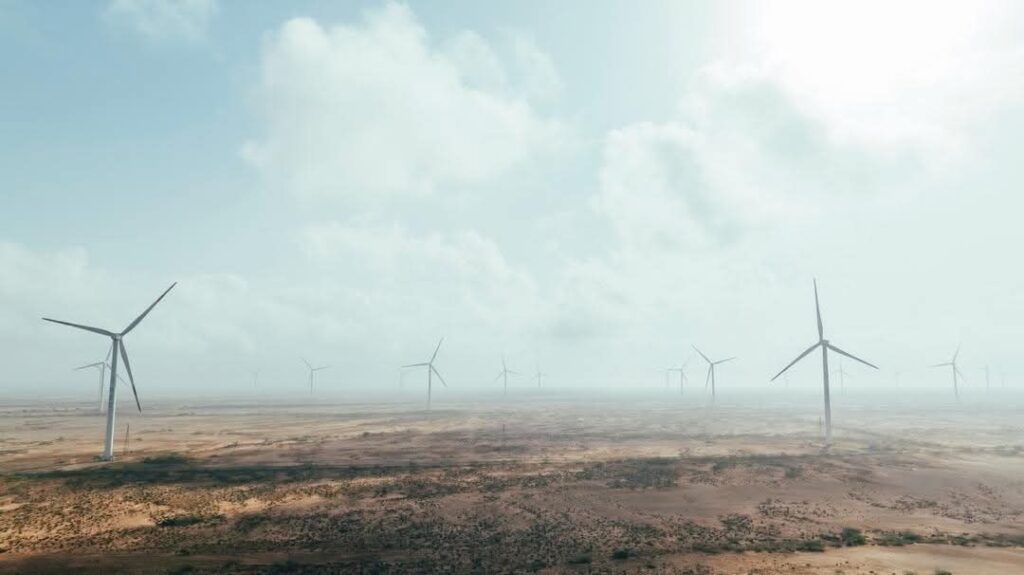
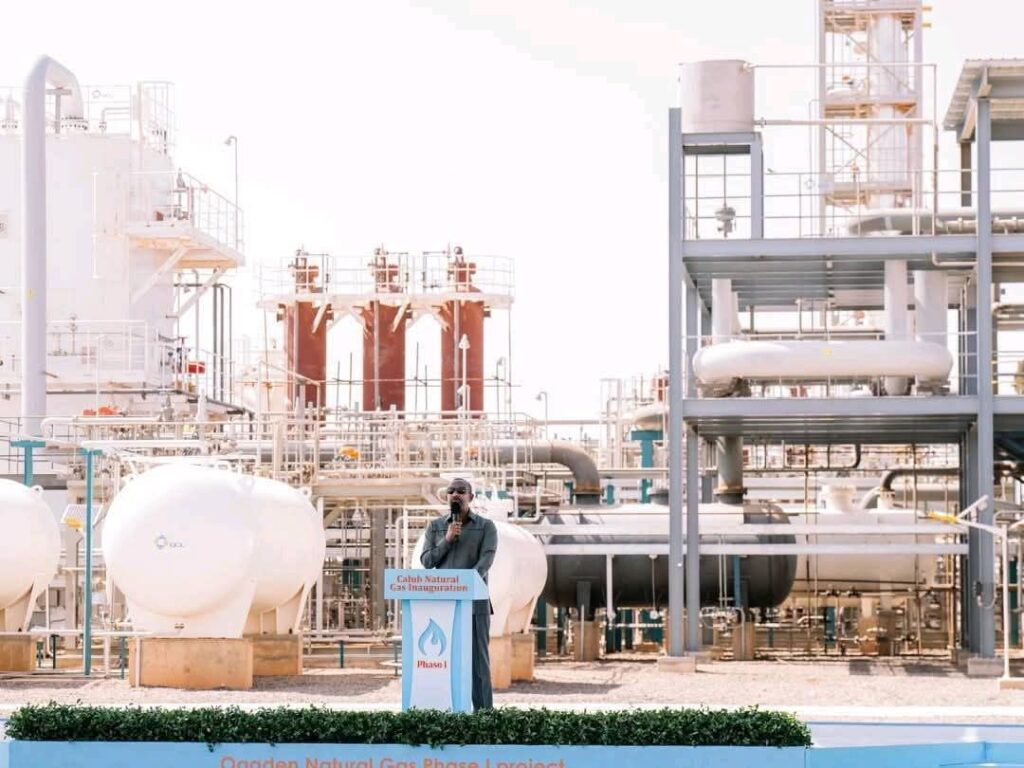
Energy development has been a defining entry point. Natural gas extraction in the region has moved from a long-discussed possibility to an active economic asset, placing the Somali Region on Ethiopia’s strategic energy map. At the same time, renewable energy investments have taken shape. Wind power projects, including large-scale developments in the Aysha corridor, are positioning the region as a key player in Ethiopia’s clean energy transition and its ambition to supply power beyond its borders.
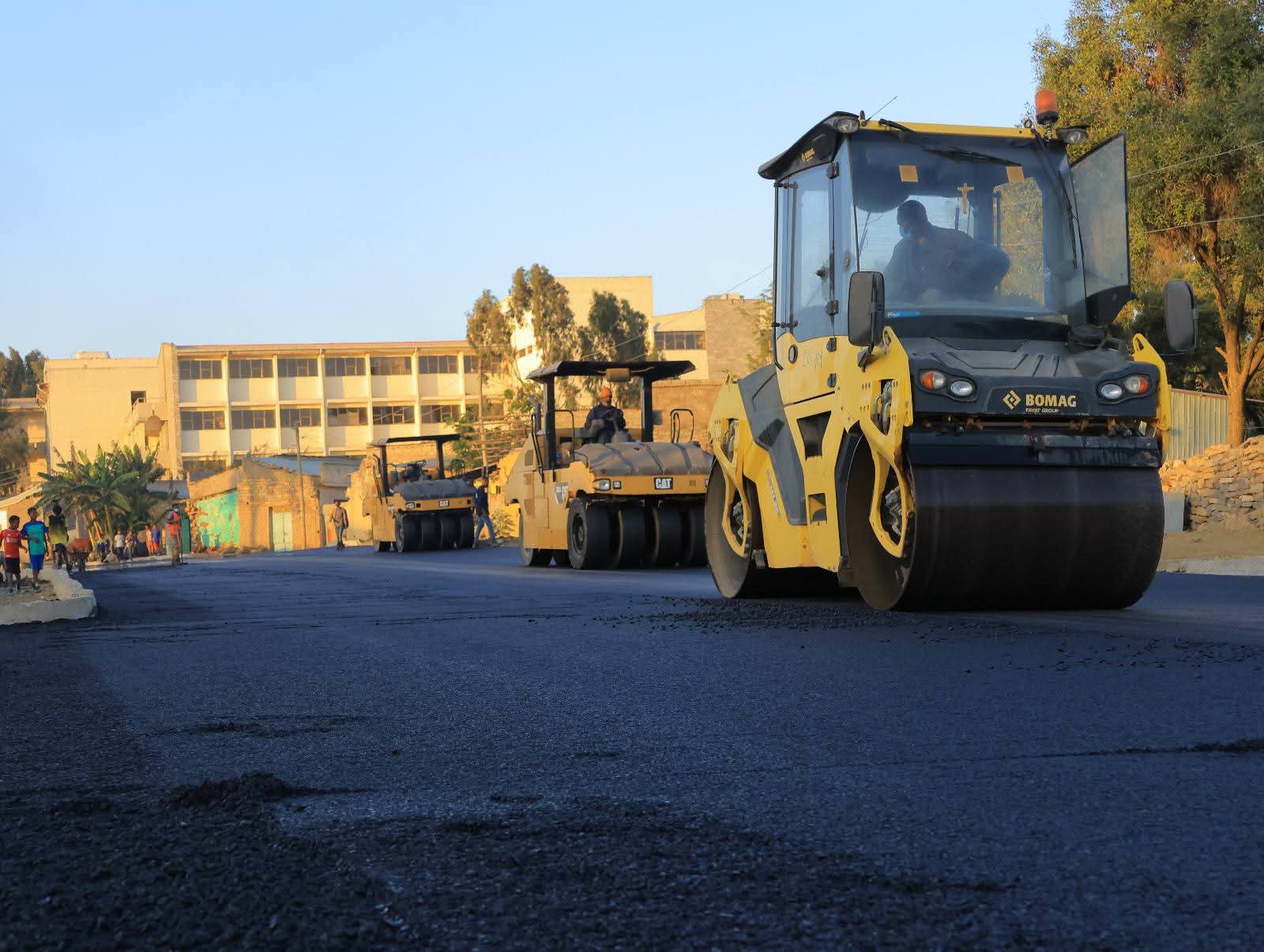
Infrastructure and investment have followed. Industrial activity, once absent, is beginning to take root. A car assembly company operating in the region reflects a broader shift toward manufacturing and value-added production, challenging the long-held assumption that such industries could not be sustained in Ethiopia’s eastern lowlands. These developments are supported by improved roads, logistics networks, and access to power.

Agriculture, however, remains the backbone of the region’s economic revival. Large-scale irrigation projects along river basins, particularly around the Shabelle, have expanded cultivated land and boosted productivity. The Somali Region has emerged as Ethiopia’s leading onion-producing area, supplying domestic markets and stabilizing prices nationwide. This agricultural turnaround has strengthened food security while creating income for thousands of farmers and traders.
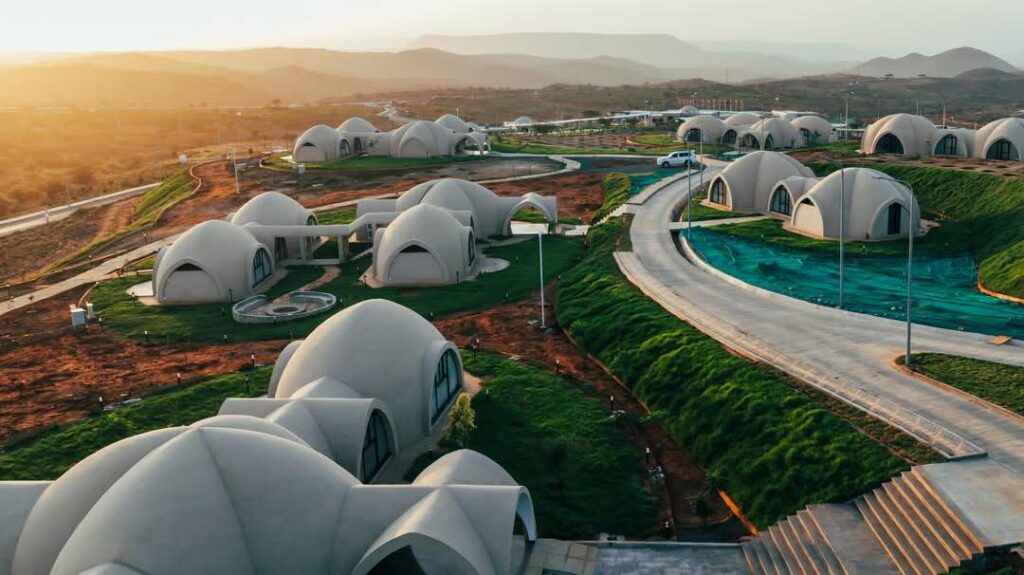
Tourism is also entering the development equation. Projects such as the Shabelle Resort signal growing confidence in the region’s stability and commercial potential. Combined with cultural heritage, natural landscapes, and improved connectivity, tourism is being positioned as a complementary sector to trade and agriculture, especially along Ethiopia’s eastern corridor.
Perhaps the clearest indicator of change is fiscal. Less than a decade ago, the Somali Region generated virtually no internal revenue. Today, more than 65 percent of its annual budget is financed through locally collected taxes. This shift reflects both economic growth and improved governance. It also marks a psychological turning point, from dependence on federal transfers to a sense of regional ownership and responsibility.
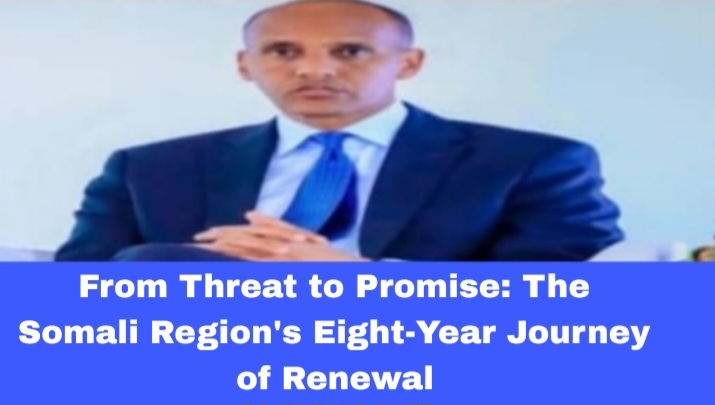
This transformation has been closely linked to the reformist leadership of the Somali Regional State administration, led by President Mustafe Mohammed Omer. Political openness, improved security, and administrative reforms have restored public trust and encouraged private capital. The region’s integration into national development planning has replaced years of marginalization.
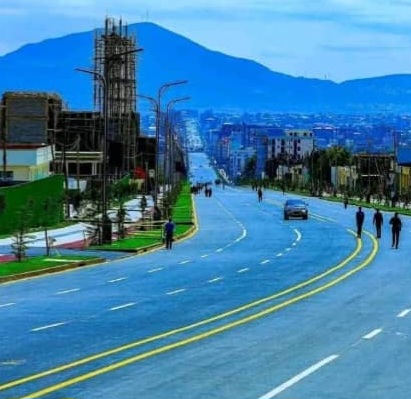
The Somali Region’s journey from perceived threat to national hope carries wider lessons for Ethiopia. Stability enables development, but inclusive governance sustains it. Investments follow confidence, not force. As energy projects, agriculture, industry, and tourism continue to expand, the region is no longer defined by what it once was, but by what it is becoming.
In today’s Ethiopia, the Somali Region is not just catching up. It is helping to redefine the country’s economic geography, emerging as a hub of growth, connectivity, and possibility in the eastern Horn of Africa.
———-
Editor’s Disclaimer:
The views and opinions expressed in articles published by Horn News Hub are those of the authors and do not necessarily reflect the official position or editorial stance of Horn News Hub. Publication does not imply endorsement.