

Mekelle/Tel Aviv/Nairobi/Pretoria/London
Ethiopia’s AI Push: How Abiy Ahmed’s Economic Reform Is Reshaping the Country’s Digital Future
By Chekole Alemu
Artificial intelligence has become a central pillar of Ethiopia’s current development agenda, signaling a strategic shift in how the country plans for growth, competitiveness, and state capacity in the digital age. Rather than treating AI as a niche sector, the government is positioning it as a cross-cutting national priority, anchored in education reform, skills development, and new institutions.
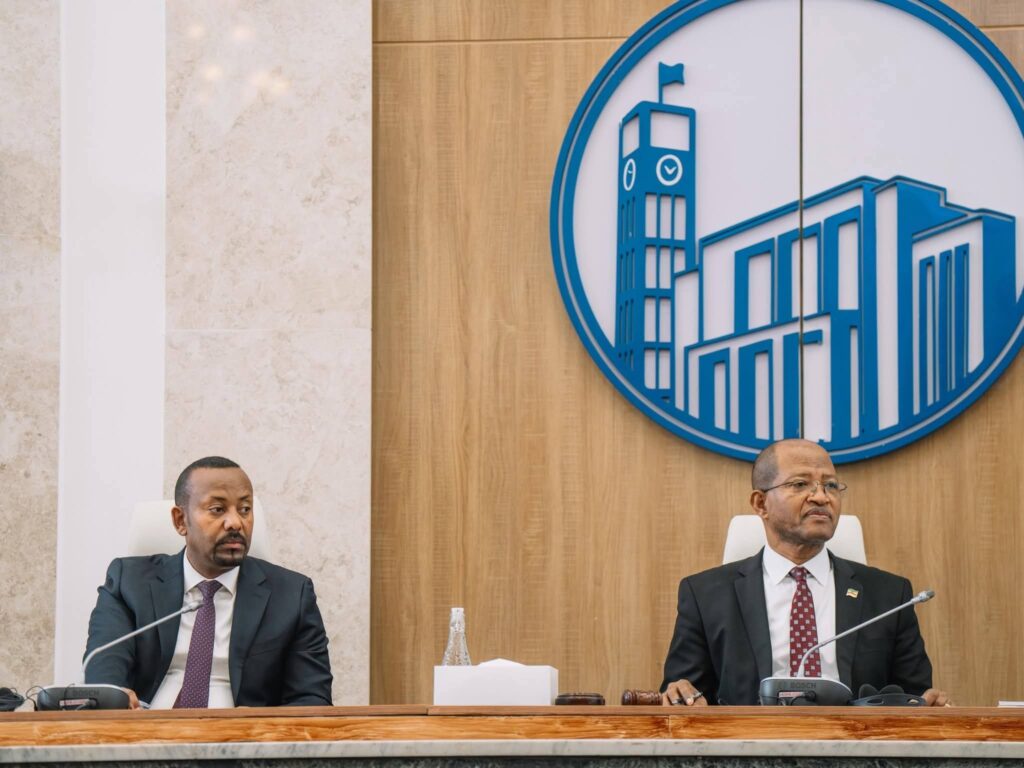
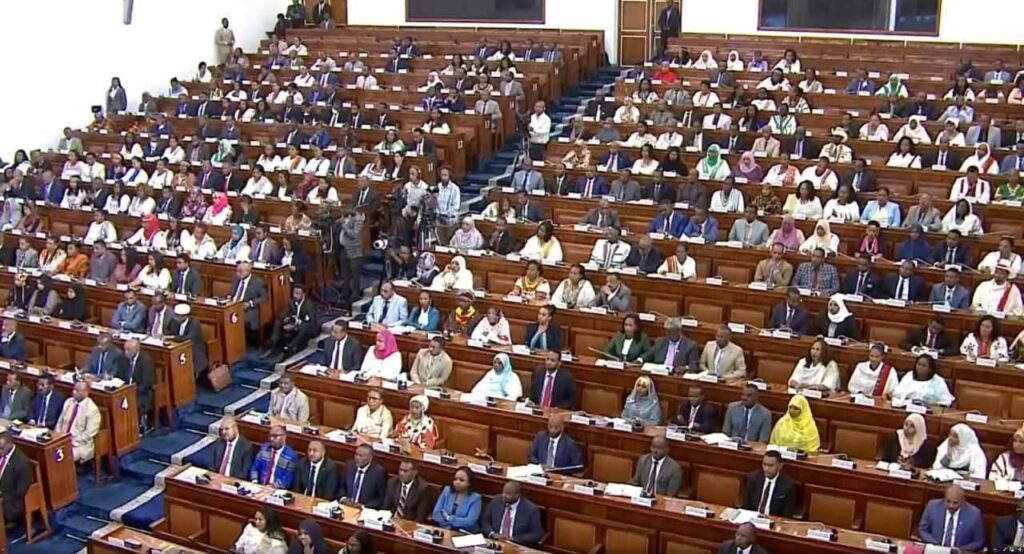
Prime Minister Abiy Ahmed outlined this vision during his briefing to parliament at the 10th Regular Session of the Sixth House of People’s Representatives, where he reviewed progress on key developmental and political targets for the first half of the current fiscal year. His message was direct: Ethiopia’s future in an AI-driven global economy depends on early and sustained investment in people, not only on infrastructure or capital.
Early education as strategic infrastructure
One of the most striking elements of Ethiopia’s AI strategy is its emphasis on early childhood education over traditional reliance on higher education alone. Over the past six years, the government reports building more than 34,000 kindergarten schools, enabling over four million children to access early-age education.

Officials describe this expansion as foundational. The argument is that the cognitive skills required in an AI-driven economy logical reasoning, adaptability, and problem-solving are shaped early in life. By intervening at this stage, the government aims to reduce future skills gaps and create a generation better prepared for advanced technologies.
This approach departs from conventional development models and reflects a long-term view of human capital formation, where AI readiness begins well before university.
Creating a coding generation
To bridge early education with employable digital skills, the government launched the Five Million Coders Initiative, targeting young Ethiopians across the country. According to the Prime Minister’s briefing, three million young people have already completed basic coding and digital skills training.

The initiative is designed to mainstream digital literacy rather than restrict it to a small tech elite. Officials argue that coding skills can support productivity in sectors far beyond software, including agriculture, logistics, manufacturing, and service delivery.
The challenge now lies in depth and absorption. Moving trainees from basic exposure to advanced capability, and linking skills to jobs and innovation, will determine whether the program delivers lasting economic returns.
Institutionalizing AI development
A major institutional milestone in this strategy is the establishment of the Ethiopian Artificial Intelligence Institute, created to coordinate AI research, policy, and innovation at the national level. The institute is expected to develop locally relevant AI solutions, support applied research, and guide the ethical and regulatory use of emerging technologies.

Alongside this, Prime Minister Abiy announced the creation of an AI-focused university, which he described as the second of its kind globally. The university is intended to produce high-level specialists and researchers, while also serving as a continental center of excellence. Scholarships will be offered to Africa’s most competitive students, reinforcing Ethiopia’s ambition to play a regional leadership role in AI education.
Together, these institutions signal a shift from ad hoc digital initiatives toward a structured AI ecosystem supported by the state.
AI as a tool for economic transformation
The government frames AI not as an abstract technology, but as a practical tool to modernize key sectors of the economy. AI applications are being pursued to improve productivity in agriculture, enhance efficiency and safety in the aviation sector, support exploration and management in mining, strengthen tourism services, and modernize public service delivery.

If implemented effectively, these applications could help address chronic structural challenges, including low productivity, service delays, and data fragmentation. However, their success will depend on supporting conditions such as reliable electricity, digital infrastructure, quality data, and skilled institutions.
Balancing ambition with reality
Ethiopia’s AI push is ambitious, particularly for a country navigating economic pressures, post-conflict recovery, and high youth unemployment. Supporters argue that delaying digital transformation would risk long-term marginalization from global value chains. In this view, AI is not a luxury but a necessity.
Critics caution that technology alone cannot substitute for broader reforms. Without strong governance, private-sector participation, and inclusive economic policies, AI investments may struggle to scale or deliver broad-based benefits.
A long-term national bet
What distinguishes Ethiopia’s approach is its scope. By linking early childhood education, mass digital skills training, specialized AI institutions, and sector-wide applications, the government is making a deliberate bet on shaping the country’s future workforce and state capacity.
Whether Ethiopia can emerge as an African hub for artificial intelligence will depend on sustained political commitment, institutional maturity, and the ability to translate vision into measurable outcomes. For now, the strategy marks a clear statement of intent: Ethiopia intends not just to adapt to the AI era, but to help shape it.
———-
Editor’s Disclaimer:
The views and opinions expressed in articles published by Horn News Hub are those of the authors and do not necessarily reflect the official position or editorial stance of Horn News Hub. Publication does not imply endorsement.