
Mekelle/Tel Aviv/Nairobi/Pretoria/London
Ethiopian Minister Calls for Lasting Stability in Tigray as Peace Talks Advance
By Chekole Alemu
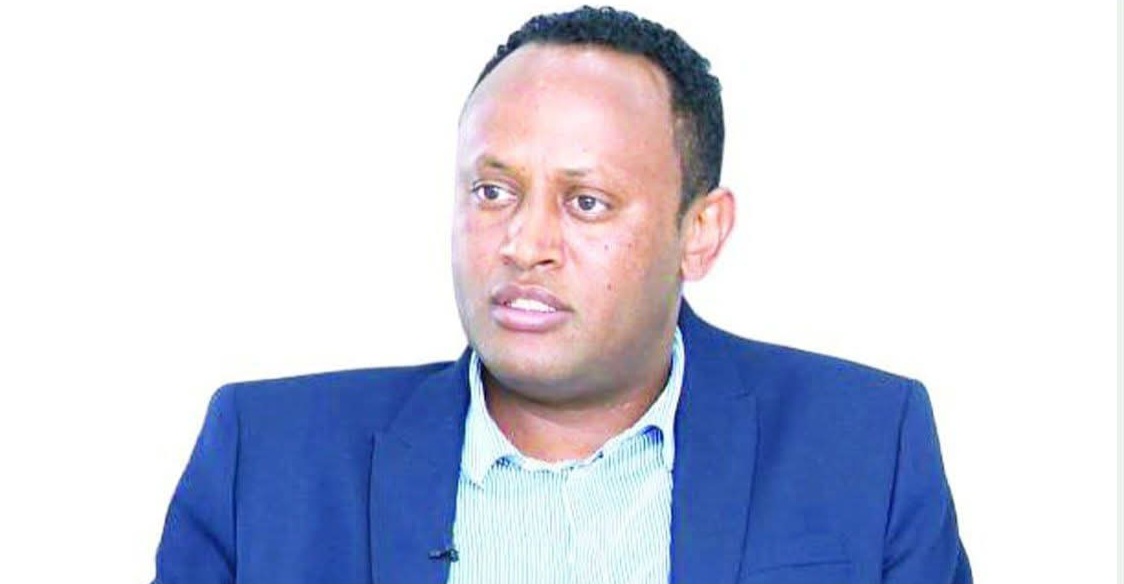
Ethiopia’s Minister of Irrigation and Lowlands, Abraham Belay (PhD), has urged communities in Tigray to reflect on the region’s turbulent past and take an active role in building a stable future. His comments follow discussions with Hagos Abreha (PhD), chair of the Tigray Peace Mission, on the next phase of efforts to consolidate peace.
Speaking to the state-run Ethiopian Press Agency, Abraham stressed that Tigray “must no longer be a centre of conflict,” calling for sustained consultation, inclusive dialogue, and community-level engagement to reinforce an emerging sense of stability. He reiterated the federal government’s commitment to supporting peaceful initiatives and encouraged residents to work closely with ongoing mediation efforts.
The minister noted that the government has been holding a series of public forums and discussions aimed at rebuilding trust. He described the peace mission’s work as “promising,” pointing to growing momentum around community reconciliation and transitional recovery.
Yet, beneath these initiatives, Tigray continues to grapple with deep instability. Two years after the devastating war, the region remains politically fragile. Leadership divisions have widened, the Tigray Defense Forces (TDF) are reported to be split into separate factions, and the social cohesion that once unified the population during the conflict has weakened. Many residents fear that tensions could escalate again, leaving the community anxious about the possibility of renewed violence. Against this backdrop, observers say the current peace initiative is both urgent and necessary.
Hagos Abreha, who leads the mission tasked with advancing dialogue and addressing outstanding grievances, said his team is prepared to collaborate with federal authorities, international partners, and security actors to support justice and stability in the region. He outlined the mission’s broad mandate, which includes tackling social trauma, political disputes, administrative challenges, and other unresolved issues still affecting communities across Tigray.
While officials argue that the process is moving in a constructive direction, both sides acknowledge that genuine and lasting peace will require sustained commitment from local actors, the federal government, and the wider public.
Editor’s Disclaimer:
The views and opinions expressed in articles published by Horn News Hub are those of the authors and do not necessarily reflect the official position or editorial stance of Horn News Hub. Publication does not imply endorsement.