

Mekelle/Tel Aviv/Nairobi/Pretoria/London
Ethiopia Strengthens Nuclear Energy Partnerships in Russia: A Step Toward Becoming a Hub in the Horn of Africa
Addis Ababa — December 16, 2025
Ethiopia is forging ahead with its ambitious plans to position itself as a leader in nuclear energy in the Horn of Africa, with strategic developments unfolding under the leadership of Prime Minister Abiy Ahmed and the Ethiopian Nuclear Energy Commission’s (ENEC) young commissioner, H.E. Sandoka Debebe.

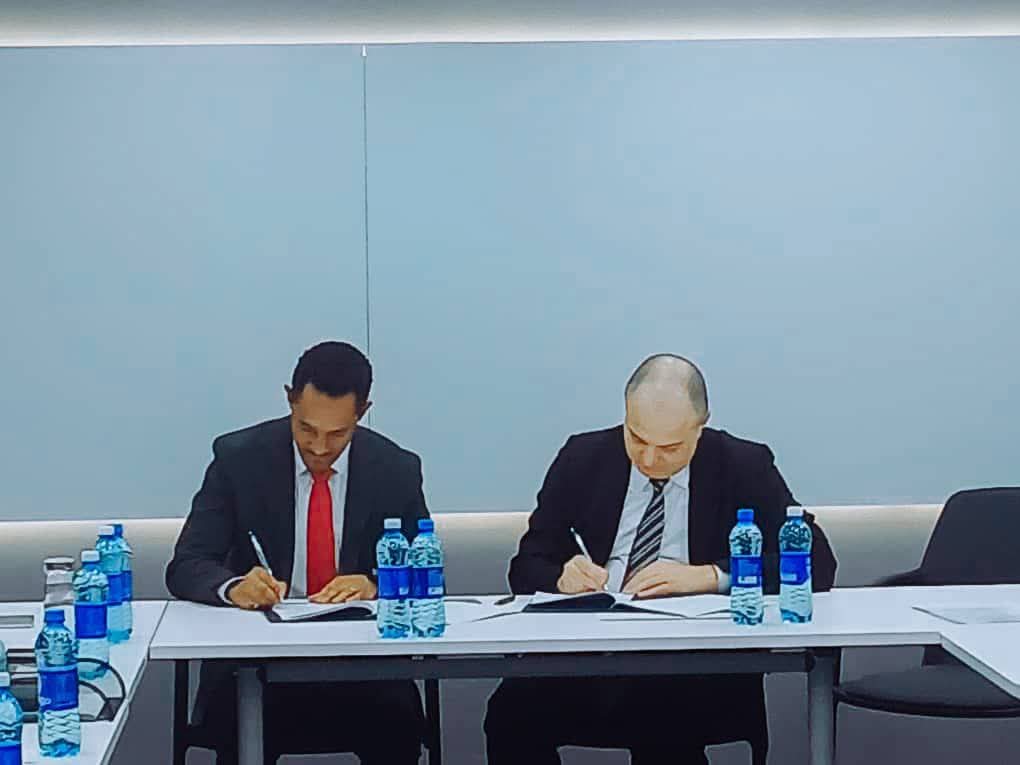
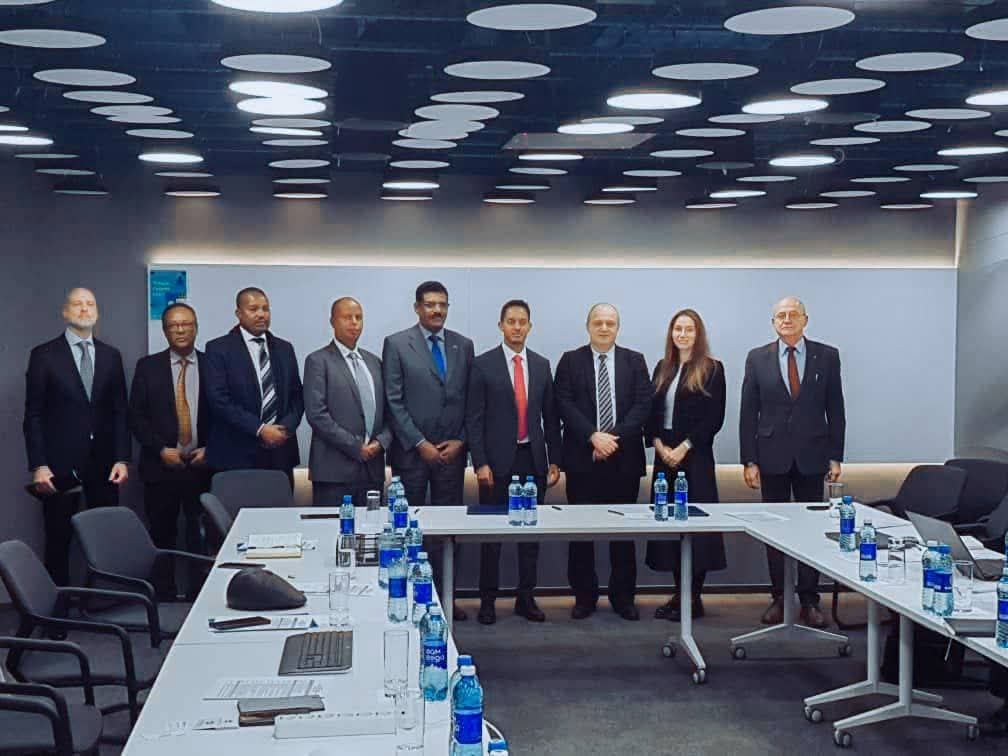
During a recent visit to Moscow, Commissioner Sandoka Debebe held pivotal discussions with key Russian officials, culminating in the signing of a non-disclosure agreement (NDA) with ROSATOM, Russia’s state-run nuclear energy corporation. The NDA, formalized on December 7, 2025, represents a major milestone in bilateral cooperation on nuclear energy projects, ensuring the protection of sensitive information vital to the growth of Ethiopia’s nuclear sector.
The visit underscores Ethiopia’s determination to build its first nuclear power plant, which is seen as a cornerstone in the country’s long-term energy strategy. The construction of this plant, in partnership with Russia, is expected to provide a sustainable and reliable source of power, helping to meet Ethiopia’s growing energy needs while positioning it as a key player in the African energy landscape.
Prime Minister Abiy Ahmed’s administration has been vocal about its commitment to advancing nuclear energy as part of Ethiopia’s broader economic transformation. The country aims to leverage nuclear technology not only for energy generation but also for its peaceful applications in health, agriculture, and industry.
The collaboration between Ethiopia and Russia in the nuclear energy sector dates back to earlier agreements, with ROSATOM playing a central role in supporting Ethiopia’s nuclear infrastructure development. This collaboration reflects Ethiopia’s growing aspirations to lead the way in nuclear energy innovation in the region, particularly in the Horn of Africa, where energy access remains a key challenge.
During the Moscow talks, both parties also discussed the importance of security and transparency in nuclear energy projects. The NDA ensures that both countries can exchange vital information securely as they move forward with joint efforts to establish the nuclear power station in Ethiopia.
This agreement is part of Ethiopia’s wider strategy to position itself as a hub for nuclear technology in the region, complementing its ambitious plans for sustainable development and industrial growth. The Ethiopian government believes that nuclear energy can serve as a strategic advantage, helping to stabilize the country’s power supply while contributing to regional energy security.
Commissioner Sandoka Debebe’s visit to Russia also highlights the leadership role that Ethiopia is increasingly playing in regional diplomacy. The young commissioner has gained recognition for his proactive approach to securing Ethiopia’s energy future, and his role in advancing the country’s nuclear ambitions is seen as crucial to its broader geopolitical aspirations.
Ethiopia’s push for nuclear energy aligns with its broader goals of enhancing economic growth, scientific development, and international partnerships. As the Horn of Africa’s energy landscape evolves, Ethiopia’s efforts in the nuclear sector could redefine the region’s power dynamics, positioning the country as a vital energy hub for neighboring nations.
The ongoing cooperation between Ethiopia and Russia in the nuclear field is expected to continue to grow, with both countries looking to capitalize on their shared interests in energy development, security, and scientific advancement. Ethiopia’s leadership, guided by Prime Minister Abiy Ahmed and supported by figures like Sandoka Debebe, is steadfast in its goal of creating a robust nuclear energy infrastructure that can contribute to both national development and regional stability.
In the coming years, Ethiopia’s nuclear energy ambitions may set a precedent for other African nations looking to diversify their energy sources and move toward more sustainable, reliable power generation. With the support of Russia and other international partners, Ethiopia is on track to become a key player in the global nuclear energy landscape.
Editor’s Disclaimer:
The views and opinions expressed in articles published by Horn News Hub are those of the authors and do not necessarily reflect the official position or editorial stance of Horn News Hub. Publication does not imply endorsement.