

HORN OF AFRICA GEOPOLITICAL REVIEW (HAGR)
Special Intellectual Recognition Edition
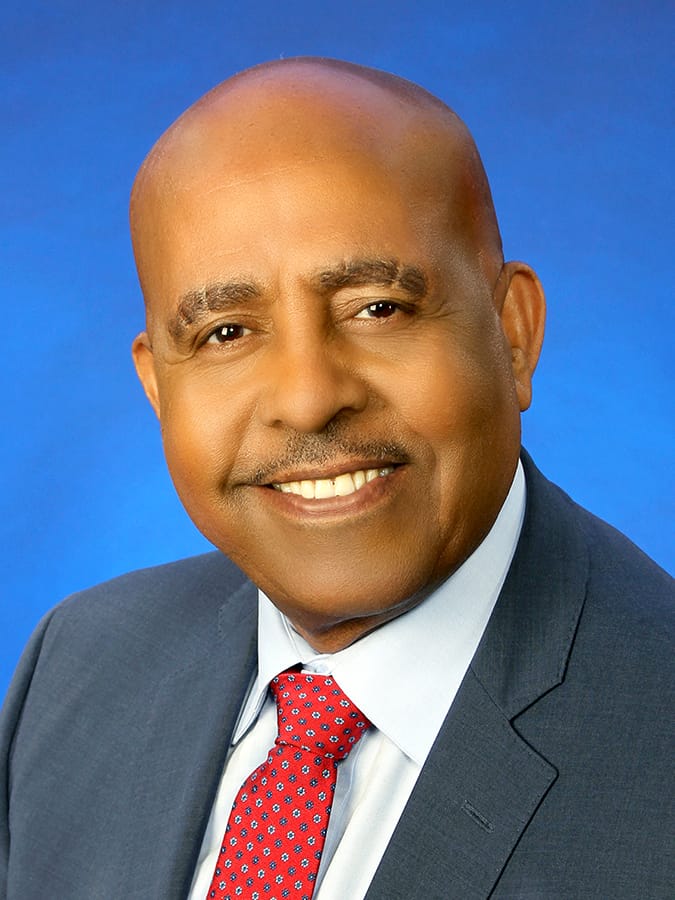
Dr. Moses Haregewoyn: Formed in Aksum, Proven in Institutions
There are individuals whose achievements can be summarized on a résumé, and others whose influence is visible in the institutions that function more effectively because of their involvement. Dr. Moses Haregewoyn belongs to the latter category.
Across academia, public policy, and healthcare administration, his career has not centered on personal visibility. A consistent principle connects his work: knowledge carries value only when it serves human need. His professional journey is not defined by a single title or discipline, but by sustained efforts to translate ideas into operational systems that function with both efficiency and dignity.
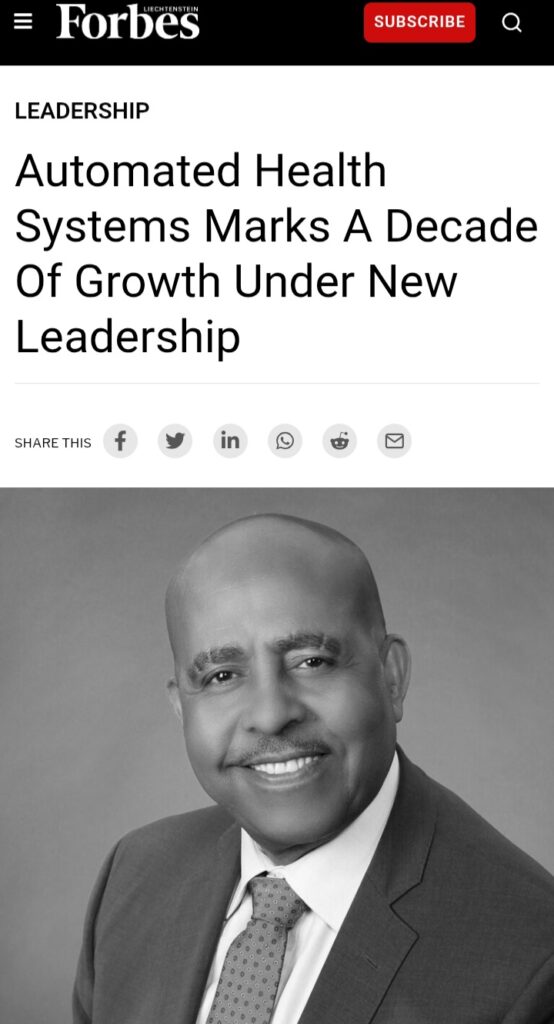
This approach has attracted international recognition. Through leadership features and curated rankings that highlight influential thinkers and innovators, Forbes has profiled individuals whose work strengthens real-world systems. Dr. Haregewoyn’s inclusion in such coverage reflects a systems-oriented leadership style whose impact is measured less by public profile and more by institutional performance.
Roots: Aksum and Historical Awareness
Dr. Haregewoyn was born and raised in Aksum, in Ethiopia’s Tigray region. Aksum is widely recognized as one of Africa’s earliest centers of organized civilization, historically associated with governance, scholarship, trade, and faith. Such an environment often shapes a structural outlook, encouraging attention not only to leadership personalities but to the durability of institutions.

Aksum’s historical continuity, where administration and belief coexisted within shared civic space, appears to have informed his later professional orientation. Education and career experience in the United States added a further dimension, introducing modern organizational management, policy implementation frameworks, and institutional analysis. The result is a synthesis of African historical awareness and contemporary administrative practice.
A Scholar Who Chose Practice
Dr. Haregewoyn pursued advanced academic training in multiple disciplines, including a PhD in Organizational Behavior, an MBA in Business Administration, studies in Sociology, and research and training in Public Health. While such credentials are notable, his career reflects a consistent effort to apply knowledge beyond academic settings.
He taught graduate courses in leadership, statistics, and the economics of education at Ashland University and The Ohio State University. His 2010 research examining political refugees in the United States has been incorporated into social science instruction at several universities. The research theme underscores an enduring focus on the relationship between policy structures and human outcomes.
Rather than remaining solely within academia, he entered healthcare administration in the early 1990s, beginning with community outreach and enrollment programs. Over time, his responsibilities expanded, leading to his presidency at Automated Health Systems, where he has overseen Medicaid, Medicare, and public health access programs across multiple states.
His work directly influences how low income families, elderly individuals, and medically vulnerable populations gain access to healthcare services. The role bridges two domains that are often separate: theoretical understanding of systems and practical management of their operation.
Leadership as Stewardship
In his 2023 book, Leadership: An Incumbent of Faith, Dr. Haregewoyn outlines a view of leadership grounded in ethical responsibility. The work presents leadership not merely as strategy or management technique, but as stewardship. He argues that leadership detached from moral grounding risks becoming mechanical administration, while administration without ethical orientation can lead to institutional indifference.

Within professional settings, colleagues describe him as disciplined and accessible. Staff members commonly address him as Dr. Moses, reflecting familiarity rather than hierarchy. He remains engaged in program implementation, following initiatives from design to execution. The underlying principle is that responsibility extends beyond drafting policy to ensuring that individuals are effectively served.
International Engagement and Recognition
Dr. Haregewoyn’s professional engagements have included policy and academic forums in Brussels, New Delhi, Moscow, Qatar, Dubai, and New York. The geographic range reflects a career situated at the intersection of governance, healthcare systems, and international dialogue.
Recognition in Forbes leadership and innovation coverage signals acknowledgment of a leadership model centered on institutional performance. Such recognition highlights individuals whose influence operates through systems that continue to function effectively beyond their personal involvement.
The Aksumite Principle in Contemporary Practice
Historically, Aksum prospered through a balance of literacy, trade networks, governance, and belief. Knowledge operated alongside moral orientation and institutional continuity. Dr. Haregewoyn’s career reflects a similar emphasis on balance. Efficiency is pursued alongside dignity, and administrative performance is linked to ethical responsibility.
Three recurring themes define his professional trajectory: competence, moral judgment, and service. His sustained involvement in programs serving vulnerable populations reflects a practical interpretation of leadership as responsibility before authority.
Between Heritage and Modernity
Dr. Haregewoyn represents a generation shaped by both African civilizational heritage and American institutional practice. Rather than privileging one tradition over the other, his career integrates both. His experience suggests that modernization need not require detachment from historical identity. Leaders grounded in historical context often approach governance with long term perspective and institutional patience.
His professional path reflects engagement with global systems while remaining anchored in origin, a pattern consistent with Aksum’s historical engagement with broader networks beyond its immediate geography.
Recognition by HAGR
The Horn of Africa Geopolitical Review recognizes not only professional accomplishment but a distinct type of contribution: the institutional intellectual, a thinker whose ideas are implemented within systems serving large populations.
Dr. Moses Haregewoyn’s work across healthcare administration, academic instruction, research, and ethical leadership forms a coherent record of applied thought.
This recognition is extended in respect for achievement, intellectual seriousness, and sustained public service.
HORN OF AFRICA GEOPOLITICAL REVIEW (HAGR)
Independent Regional and International Geostrategy | Security | Political | Institutional Analysis
Editor’s Disclaimer:
The views and opinions expressed in articles published by Horn News Hub are those of the authors and do not necessarily reflect the official position or editorial stance of Horn News Hub. Publication does not imply endorsement.