
Mekelle/Tel Aviv/Nairobi/Pretoria/London
Ethiopia’s Tourism Destination Development Endeavor: Denbi Eco Lodge and the Dine for Generations Initiative
By Chekole Alemu
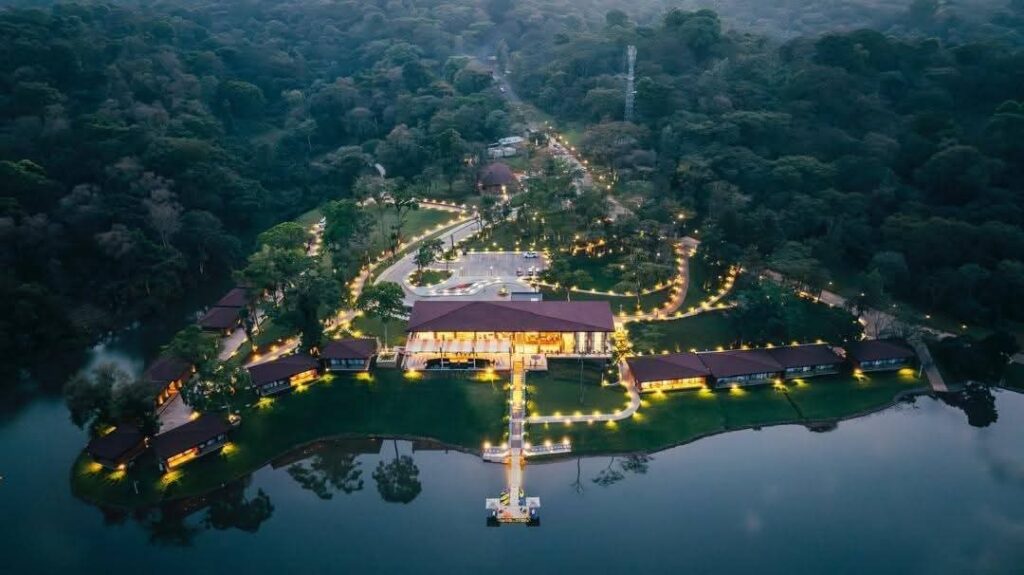
The inauguration of Denbi Eco Lodge in southwest Ethiopia marks a significant milestone in the country’s broader effort to reposition tourism as a pillar of sustainable development. Built under the Dine for Generations initiative, the project reflects the government’s ambition to link environmental conservation, local economic participation, and long term national planning within a single development framework.
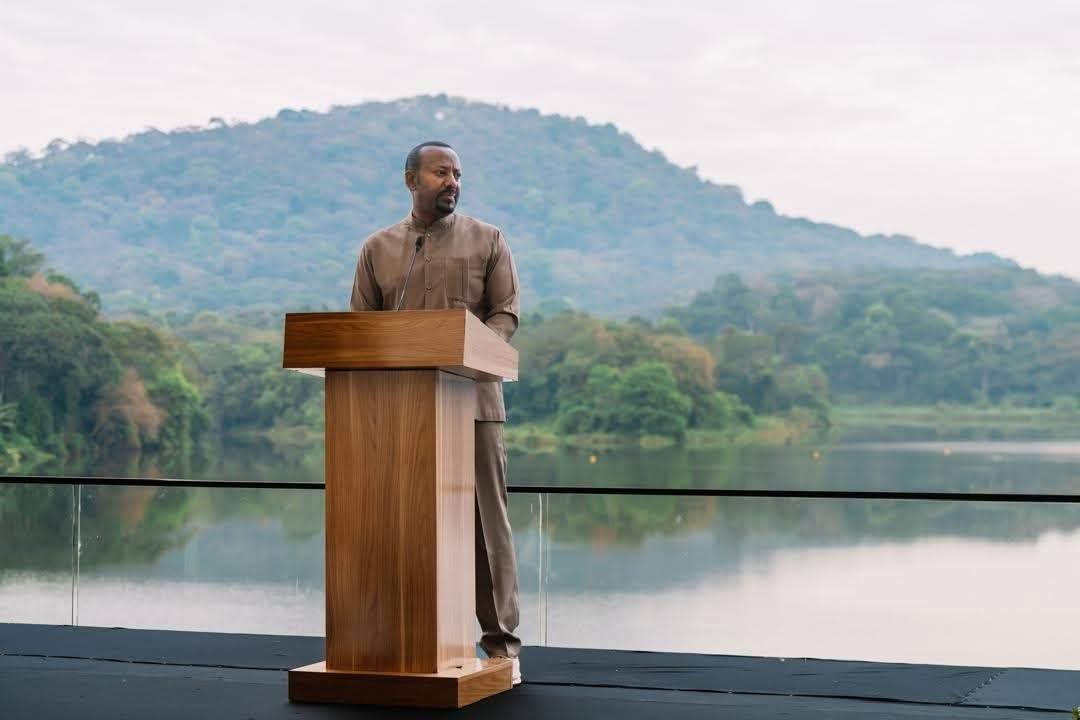
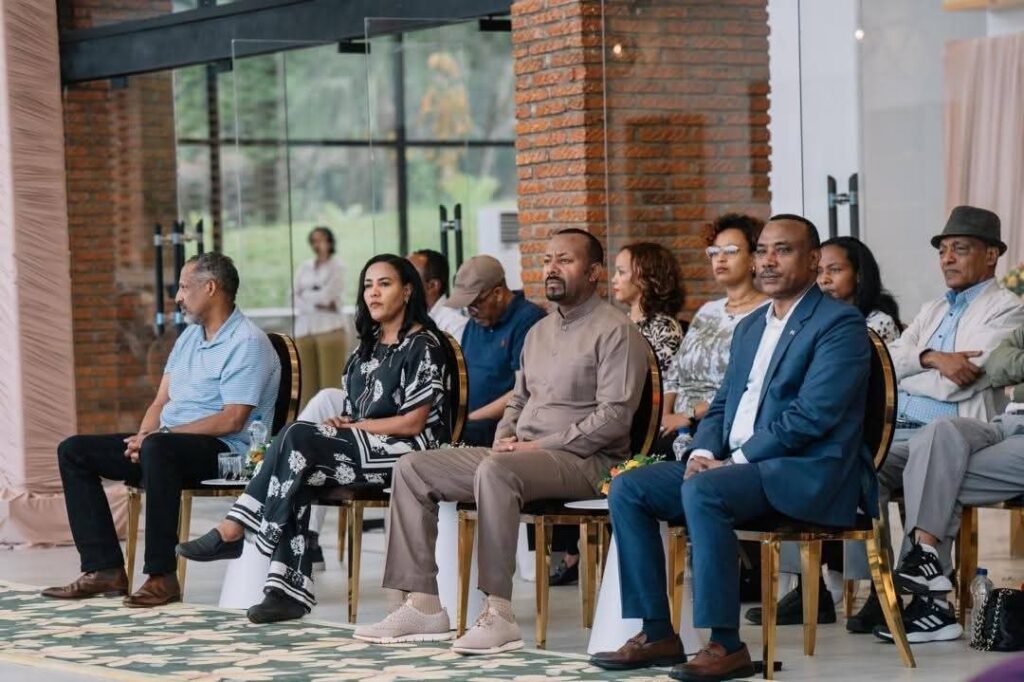
Speaking at the inauguration, Prime Minister Abiy Ahmed described Medemer as a guiding philosophy that brings together government institutions, the private sector, society, nature, and inherited national assets to shape a better future. His remarks placed the lodge within a wider political and economic narrative that emphasizes collective action and continuity between past, present, and future development priorities.
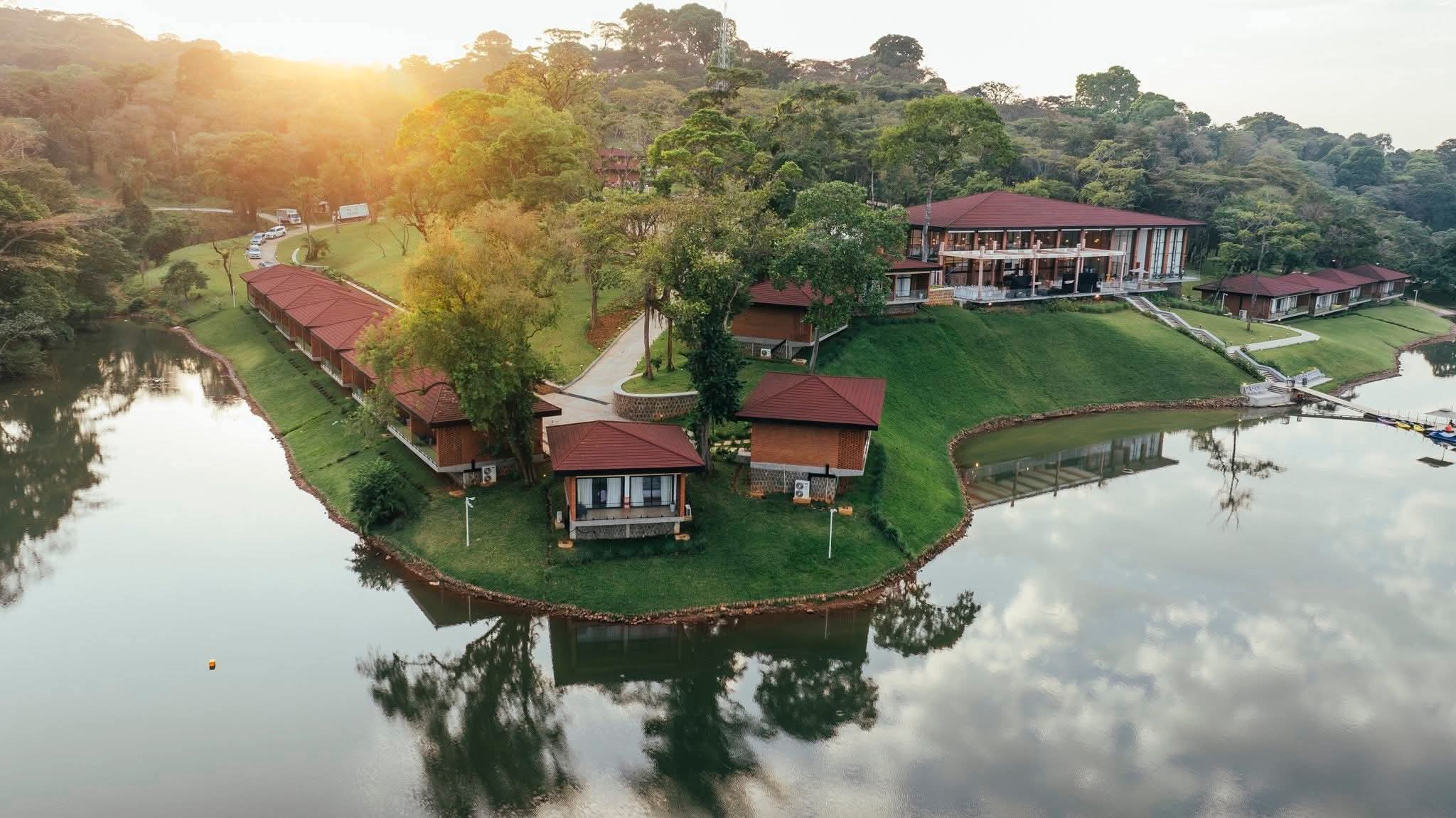
Denbi Eco Lodge is presented by the government as a model for environmentally conscious tourism. According to official statements, the facility was constructed using locally sourced materials and local labor, a choice intended to reduce environmental impact while ensuring direct economic benefits for surrounding communities. This approach aligns with Ethiopia’s stated goals of sustainability and self reliance, particularly in rural and ecologically sensitive areas.
From a policy perspective, the project illustrates a shift in how tourism infrastructure is being framed. Rather than focusing solely on attracting visitors, initiatives such as Dine for Generations seek to embed tourism within broader development objectives, including job creation, skills transfer, and conservation of natural landscapes. In theory, this integrated model could help address long standing concerns that large scale tourism projects often generate limited benefits for local populations.
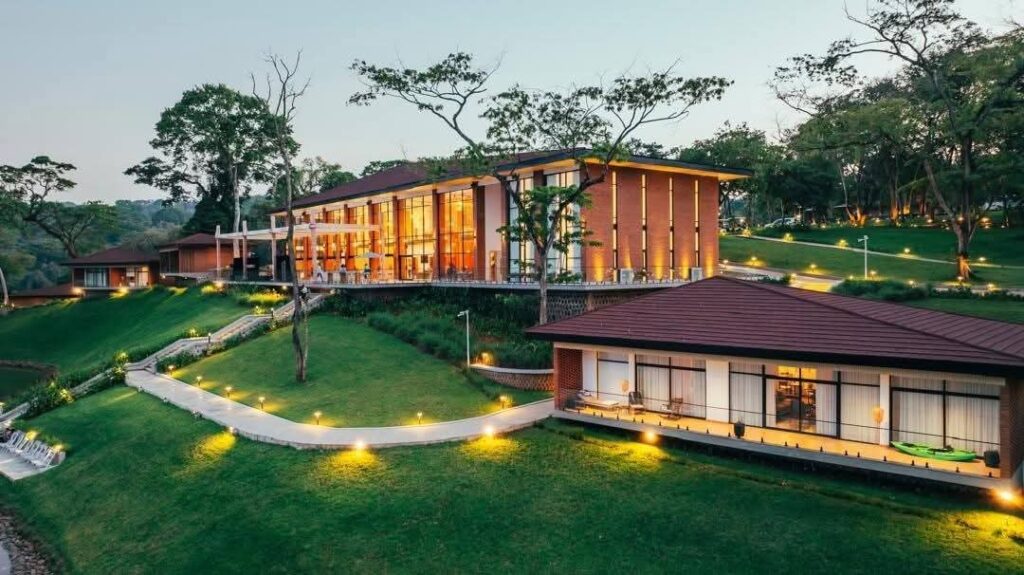
The emphasis on nature based and eco friendly tourism also reflects changing global trends. As international travelers increasingly seek environmentally responsible destinations, Ethiopia appears to be positioning itself to compete in this niche by leveraging its biodiversity, forests, and cultural heritage. Denbi Eco Lodge, set within a natural forest landscape, is intended to showcase this potential while reinforcing conservation incentives for local communities.
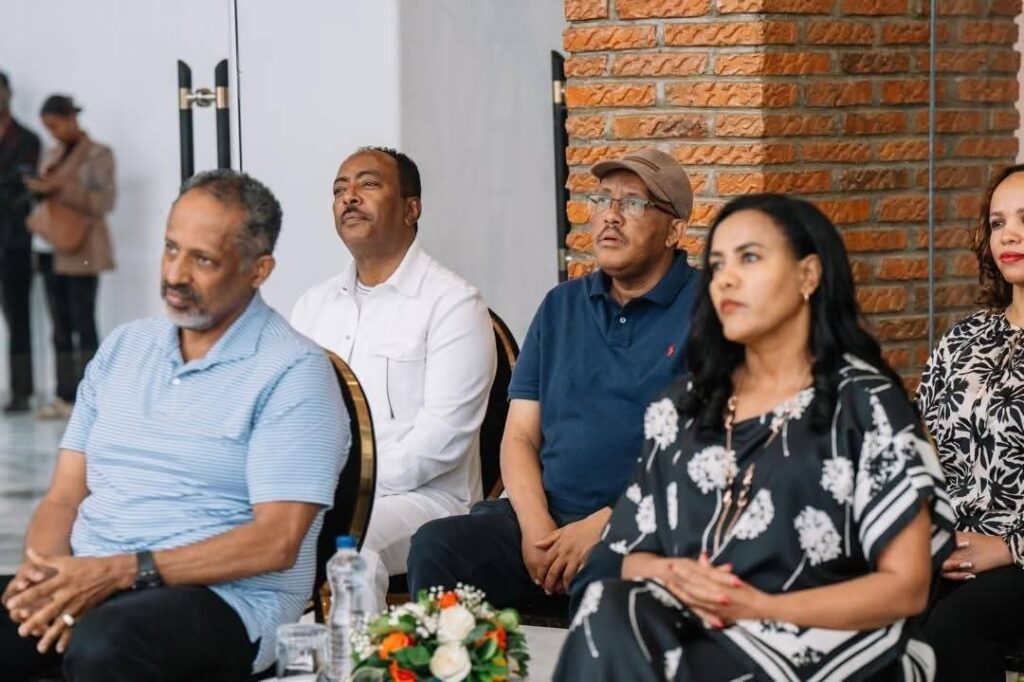
However, the long term impact of such projects will depend on implementation and governance. Questions remain about scalability, maintenance standards, community ownership, and revenue distribution. Past experiences in the tourism sector suggest that without consistent management and transparent benefit sharing, sustainability claims can weaken over time.
The Prime Minister’s call for Ethiopians to harness existing cultural, natural, and historical assets underscores a broader national ambition to turn heritage into economic value without eroding it. Denbi Eco Lodge, as part of the Dine for Generations initiative, now serves as a test case for whether Ethiopia can translate this vision into durable outcomes that balance economic growth, environmental protection, and social inclusion.
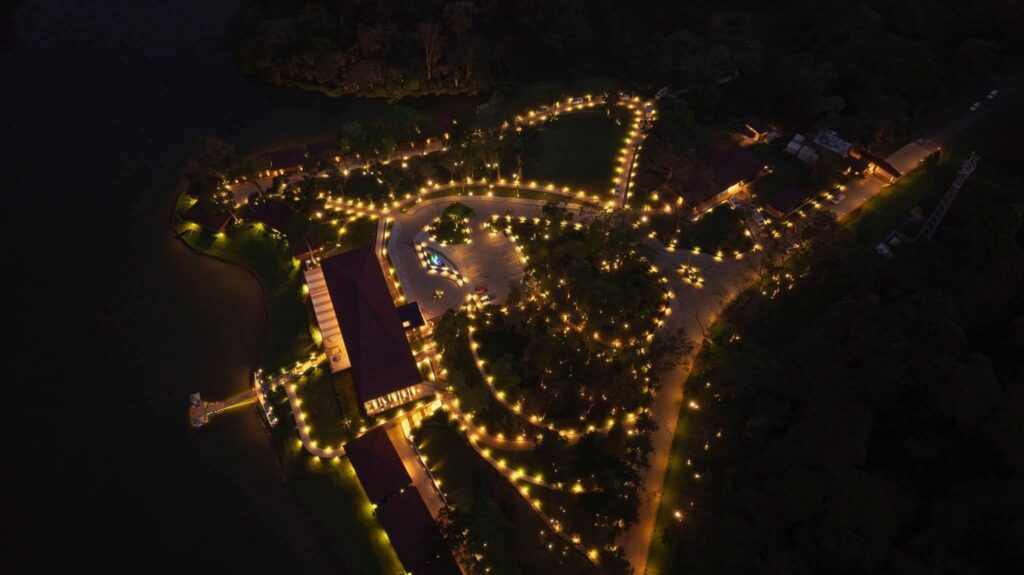
As Ethiopia continues to invest in destination development, Denbi Eco Lodge will likely be closely watched as an indicator of how effectively the Medemer philosophy can move from political narrative to measurable results on the ground.
———-
Editor’s Disclaimer:
The views and opinions expressed in articles published by Horn News Hub are those of the authors and do not necessarily reflect the official position or editorial stance of Horn News Hub. Publication does not imply endorsement.