


Bejai Ethio Industrial & Engineering Solutions: Expanding Ethiopia’s Industrial Capacity
By Chekole Alemu
Bejai Ethio Industrial & Engineering Solutions, commonly referred to as BIES, has emerged as a significant player in Ethiopia’s industrial and engineering sector. With over 14 years of operational experience, the company has established manufacturing lines in Gelan, Kality, Debre Berhan, and Adama, reflecting a strategy of both regional and national industrial integration.
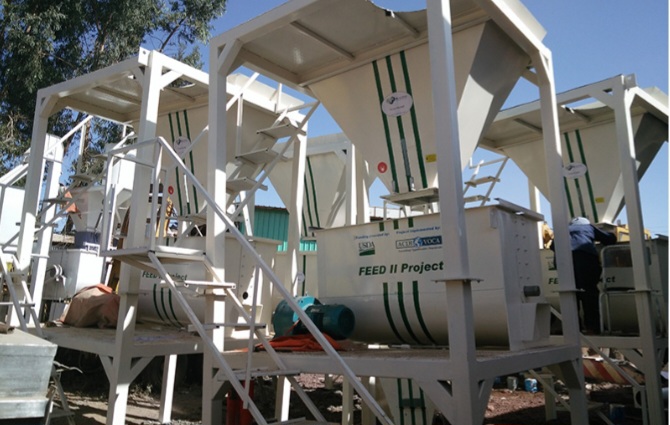
BIES specializes in producing animal feed equipment, animal feeds, and feed ingredients such as vitamins and premixes. Its product portfolio also spans mineral processing machinery, seed cleaning and sorting equipment, agricultural machinery, and other industrial systems tailored to Ethiopia’s local resources. The company reports a workforce of around 100 permanent staff, including administrative, technical, and supportive personnel, alongside subcontractors who operate their own facilities.
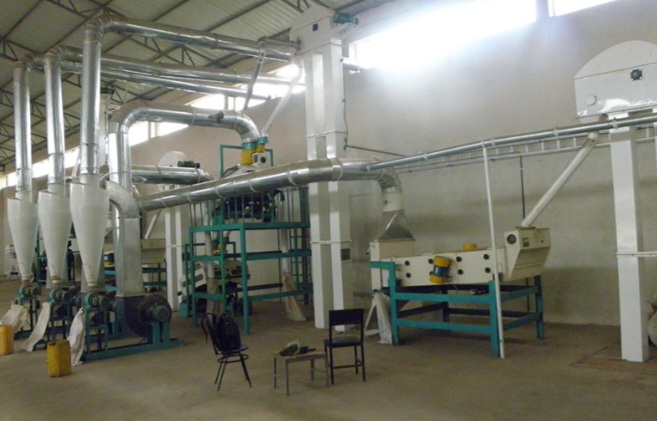
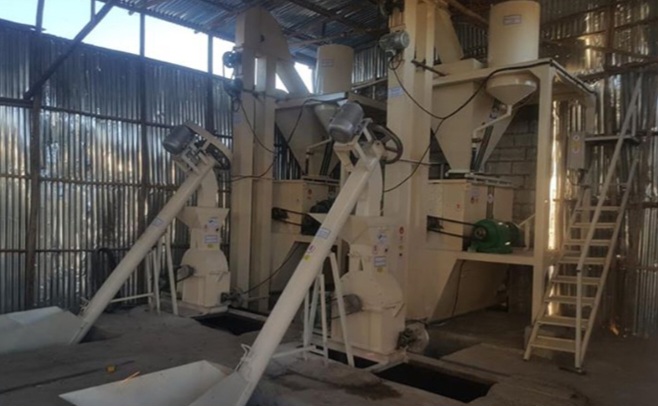
According to company records, BIES has gained customer acceptance by emphasizing timely delivery, consistent quality, and responsive after-sales service. Its equipment is designed to be environmentally conscious, locally adaptable, and capable of producing high-efficiency output with low energy consumption. For agricultural producers and cooperatives, BIES offers modular animal feed processing plants that can produce mashed feed, crumbled feed, pelleted feed, floating fish feed, and pet feed. Production capacities range from 1 ton per hour to 30 tons per hour, reflecting the company’s ability to serve both small and large-scale operators.
The production process integrates all stages of feed manufacturing, including raw material storage, premixing, grinding, surging, mixing, pelleting, and packaging. The company also provides site training, equipment maintenance support, and operational guidance, ensuring that clients can maintain high standards of production efficiency and feed quality. BIES emphasizes using local raw materials and designing systems to meet ergonomic and safety standards suitable for Ethiopian operations.
Beyond the domestic market, BIES has begun expanding internationally, engaging with Canadian companies to access specialized machinery for teff milling, animal feed distribution, and other processing needs. This approach aligns with a broader strategic vision to replace imported equipment with domestically manufactured alternatives while also tapping into export opportunities.
Industry observers note that BIES exemplifies a growing trend in Ethiopia’s private sector toward integrating technology, manufacturing, and agribusiness. The company addresses critical gaps in local production, such as processing efficiency, product consistency, and access to modern machinery. By aligning industrial activity with local needs and environmental considerations, BIES positions itself as a model for sustainable industrial development.
Economic Impact on Local Communities
BIES’ operations have measurable economic effects on the regions where it operates. By providing advanced processing equipment and technical training, the company empowers farmers and cooperative unions to improve productivity, reduce post-harvest losses, and add value to local agricultural products. This directly influences income generation, food security, and employment in rural and semi-urban areas.
The company also stimulates ancillary economic activity. Its subcontractor network engages local welders, fitters, electricians, and transport operators, creating a ripple effect of job creation beyond its immediate staff. By emphasizing local materials and sourcing, BIES contributes to the development of domestic supply chains, supporting small and medium enterprises involved in raw material production and logistics.
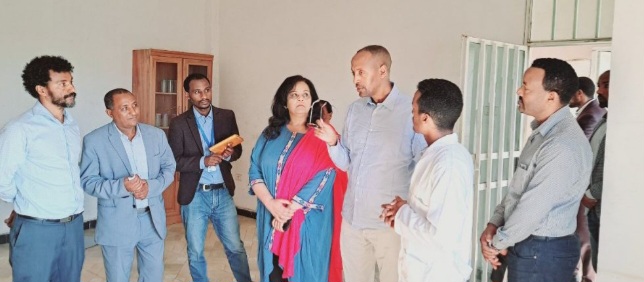
Moreover, BIES’ after-sales training programs equip communities with practical skills in machinery operation, maintenance, and feed formulation, fostering knowledge transfer and long-term capacity building. These interventions strengthen local human capital and encourage entrepreneurship, allowing communities to leverage industrial technology for self-sustaining economic growth.
Potential for Regional Expansion
BIES’ technical expertise and modular production systems position it for regional expansion within East Africa and beyond. Neighboring countries with agricultural and industrial growth ambitions could benefit from turnkey processing solutions that reduce dependency on imported machinery. Ethiopia’s geographic and logistical position, combined with BIES’ experience in multiple manufacturing towns, provides a strategic advantage for serving regional markets.
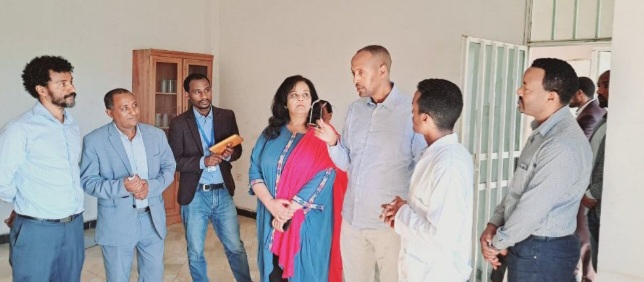
Expansion could also facilitate technology transfer, particularly in mineral processing and agribusiness machinery, where local capabilities remain underdeveloped in many African markets. By adapting equipment for regional raw materials and regulatory environments, BIES could enhance competitiveness while contributing to industrial diversification across borders.
The potential for regional growth aligns with broader continental initiatives promoting “Made in Africa” solutions. As African countries seek to reduce import dependency and increase industrial self-reliance, companies like BIES can play a central role by providing locally engineered solutions that meet both commercial and developmental objectives.
Pan-African Technological Leadership: Burkina Faso Satellite Initiative
BIES founder and Ethiopian engineer Bijay Naiker has extended his vision beyond industrial manufacturing to the space technology sector. Naiker recently signed a landmark agreement with the government of Burkina Faso to establish a satellite manufacturing facility and technology center. The project aims to produce satellites locally for telecommunications, environmental monitoring, and agricultural data, reducing reliance on foreign providers and promoting African technological sovereignty. The initiative has the support of President Ibrahim Traore and reflects a Pan-African approach to developing homegrown space technology.

The facility is intended to serve as a continental hub for designing, engineering, and producing satellites, with applications in disaster management, climate monitoring, agriculture, and digital connectivity. The initiative marks a significant departure from Africa’s traditional role as a consumer of space technologies, moving toward the ownership and production of critical satellite systems. Officials involved in the memorandum of understanding highlighted that the project aligns with broader goals of technological independence and regional collaboration.
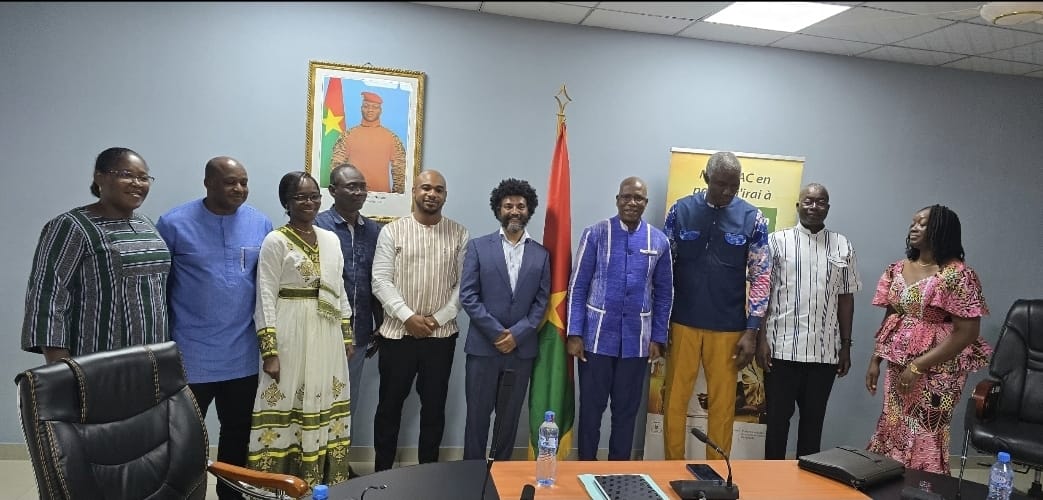
Naiker described the project as part of a wider vision supporting national leadership priorities while nurturing local expertise and innovation. If fully realized, the center could provide African engineers, researchers, and universities with a platform to design satellites tailored to the continent’s unique challenges, fostering skills, knowledge transfer, and technological innovation across multiple sectors.
Observers view the Burkina Faso initiative as a milestone in Africa’s growing technology ecosystem. Several African countries, including Senegal and Namibia, have already advanced satellite capabilities. Successful implementation of Naiker’s project could signal a new era where the continent not only consumes but actively produces and innovates in space technologies.
Leadership and Philanthropy
Bijay Naiker’s influence extends beyond industrial and technological achievements. Known for his philanthropic engagement, he actively supports young entrepreneurs by providing mentorship, technical guidance, and access to resources. His work reflects a philosophy of creating opportunities for the next generation while advancing national and continental development objectives.
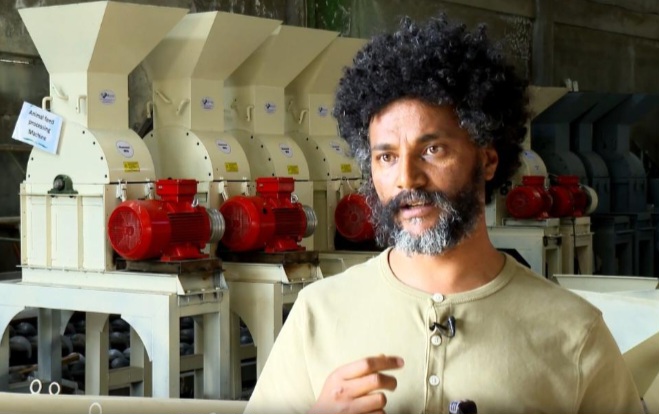
Naiker often emphasizes the importance of combining entrepreneurship with social responsibility. By fostering youth innovation, developing skilled workforces, and creating platforms for technological self-sufficiency, he demonstrates how individual leadership can have both local and continental impact.
Conclusion
Bejai Ethio Industrial & Engineering Solutions under Bijay Naiker exemplifies how local entrepreneurship, technical expertise, and strategic vision can drive industrial growth, economic empowerment, and regional development. From modular feed plants in Ethiopia to a satellite manufacturing initiative in Burkina Faso, BIES demonstrates a model of sustainable, Pan-African industrial and technological advancement. Its operations contribute to local economic development, knowledge transfer, and regional integration, highlighting the transformative potential of African-led innovation.
———
Editor’s Disclaimer:The views and opinions expressed in articles published by Horn News Hub are those of the authors and do not necessarily reflect the official position or editorial stance of Horn News Hub. Publication does not imply endorsement.