
Mekelle/Tel Aviv/Nairobi/Pretoria/London
Aysha-II Wind Power and the Politics of Energy, Region, and Influence in Ethiopia’s Eastern Corridor
Written by Chekole Alemu
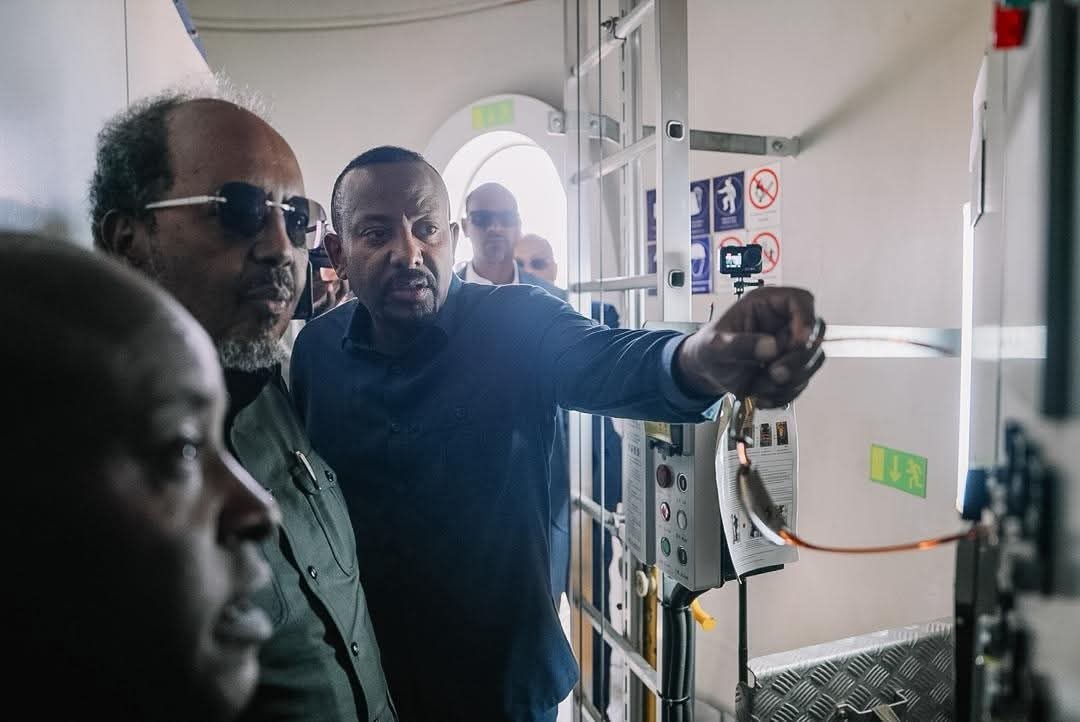
The inauguration of the Aysha-II Wind Power Project by Prime Minister Abiy Ahmed, alongside the leaders of Djibouti and Somalia, is more than a ceremonial launch of energy infrastructure. It signals a shift in how Ethiopia is positioning its eastern periphery, particularly the Somali Region, within its national development strategy and the wider Horn of Africa.
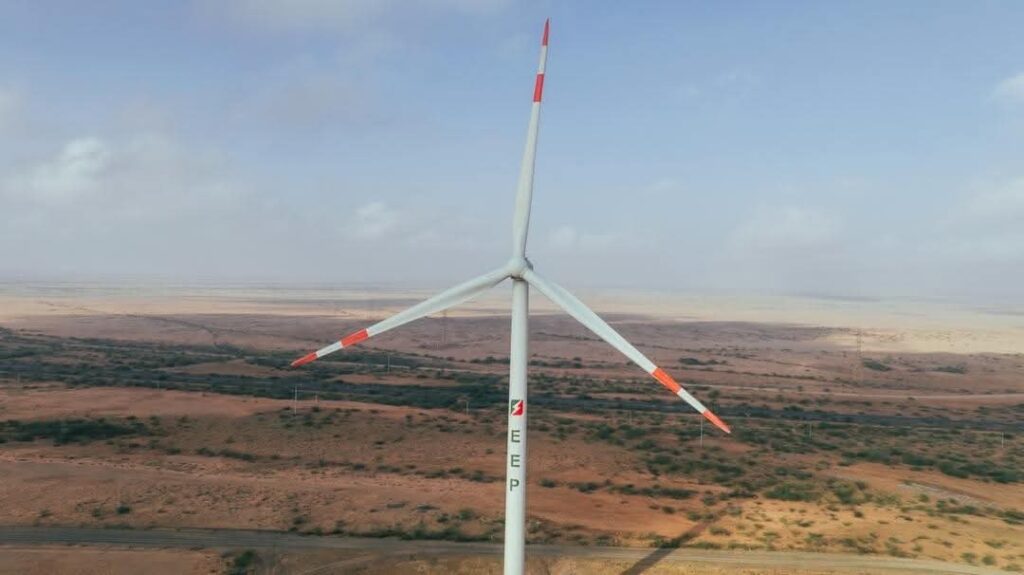
With an annual generation capacity of 467 gigawatt-hours, Aysha-II is among the largest wind power projects in the country. Its scale matters. Ethiopia’s energy demand is rising fast, driven by urbanization, industrial growth, and digital expansion. Hydropower still dominates the grid, but climate variability has exposed its limits. Wind projects like Aysha-II offer diversification and resilience, especially in regions with consistent wind corridors such as the Aysha plains.
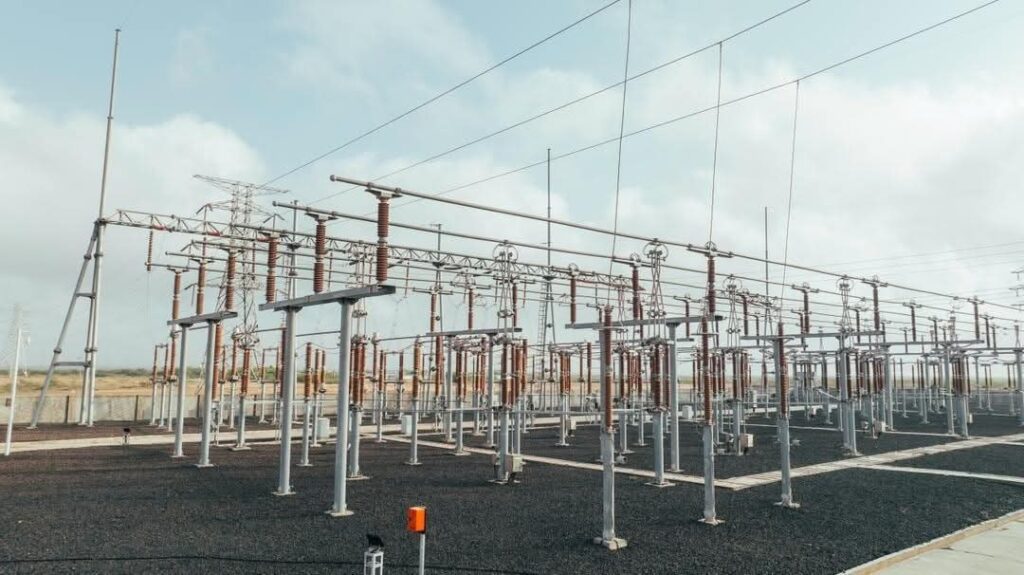
What sets Aysha-II apart is not only its contribution to domestic supply, but its regional logic. Located near key borders, the project strengthens Ethiopia’s ambition to become an energy exporter and a connector in the Horn of Africa. Power diplomacy has become a central pillar of Addis Ababa’s regional engagement, and clean electricity is increasingly used as both an economic asset and a political stabilizer.
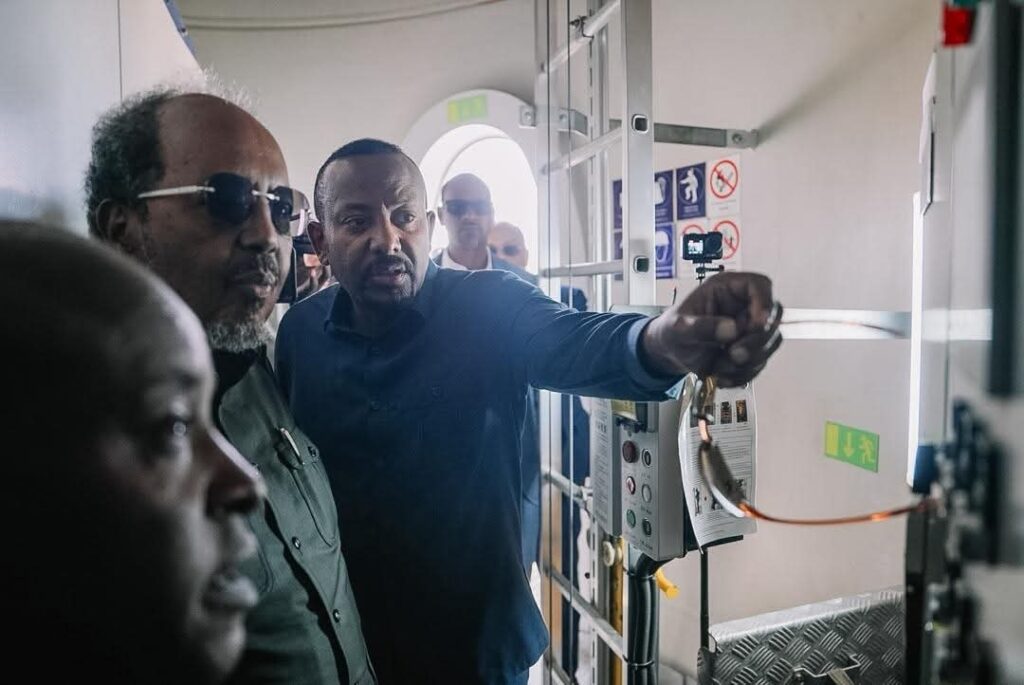
Prime Minister Abiy’s framing of the project through the Medemer philosophy underscores this approach. By presenting energy as a shared resource that binds neighboring states, Ethiopia is advancing a model of regional interdependence rooted in infrastructure rather than rhetoric. The presence of Djibouti and Somalia’s leaders at the inauguration reinforces this message, projecting the Somali Region as a bridge rather than a margin.
This is where the Somali Region’s transformation becomes central to the story. Long viewed through the lens of conflict and underdevelopment, the region has, over the past several years, emerged as one of Ethiopia’s most stable and investment-ready areas. Improved security, administrative reforms, and infrastructure expansion have altered both perception and reality on the ground.
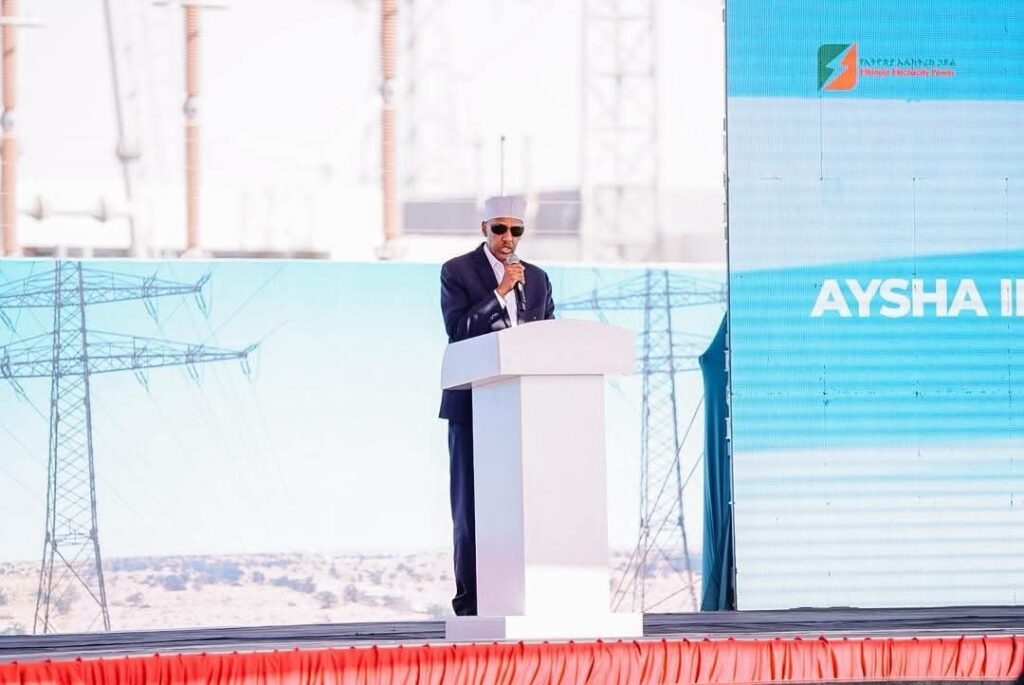
Under the leadership of regional President Mustafe Mohammed Omer, the Somali Regional State has pursued a deliberate strategy to reposition itself as the economic gateway of Ethiopia’s eastern corridor. Roads, logistics hubs, energy projects, and urban development have been prioritized, linking the region more closely to Djibouti’s ports and to markets in Somalia and the wider Red Sea corridor.
Investment is following that shift. Energy projects like Aysha-II complement growing interest in trade, livestock, agro-processing, and cross-border commerce. At the same time, tourism is gaining attention, driven by improved accessibility, cultural heritage, and the region’s unique landscapes. What was once a peripheral zone is increasingly marketed as a frontier of opportunity.
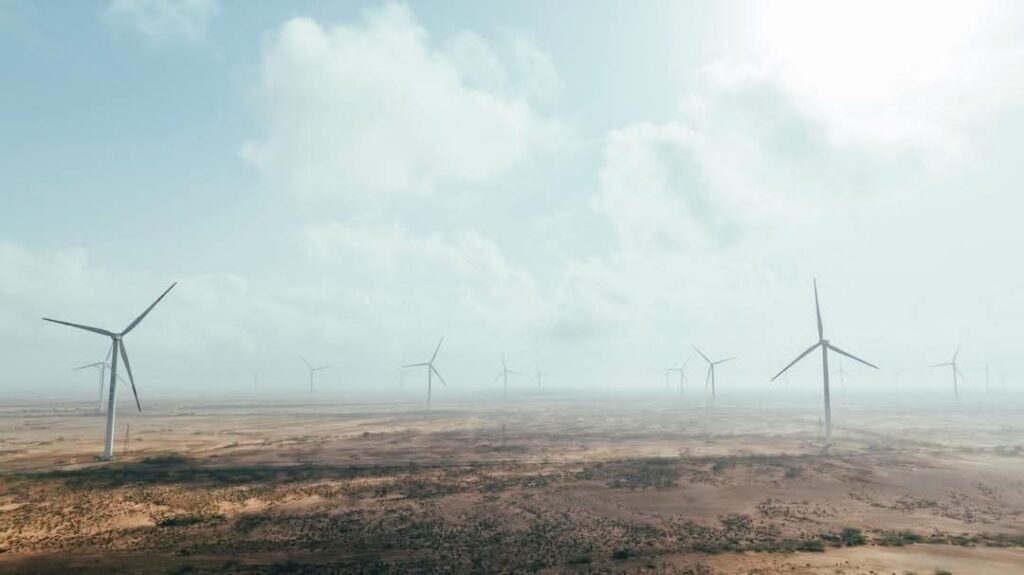
The regional administration’s role has been critical. Strong coordination with federal authorities, openness to investors, and a focus on stability have created conditions for long-term projects to take root. Aysha-II would not be viable without predictable governance and local buy-in, both of which have improved markedly in recent years.
At a national level, the project fits squarely within Ethiopia’s Climate Resilient Green Economy strategy. Alongside hydropower, geothermal, and solar investments, wind energy is helping the country pursue growth without locking itself into high-carbon pathways. The broader goal is clear: industrialization, rural electrification, and technological advancement powered by clean energy.
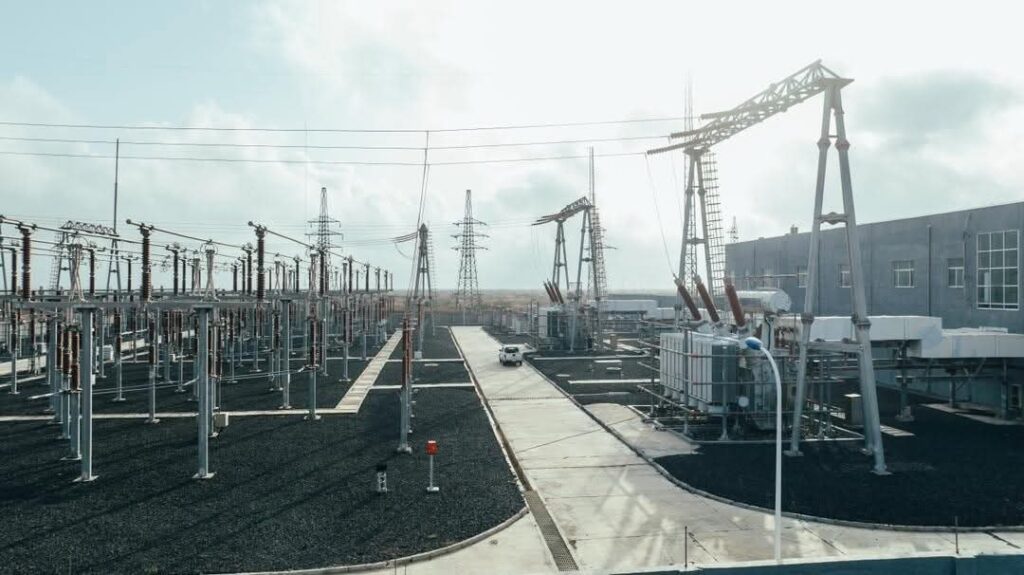
Still, the success of Aysha-II will ultimately be judged not by megawatts alone, but by how effectively its benefits are distributed. Reliable power must translate into jobs, local development, and regional integration. If managed well, the project could become a model for how infrastructure, politics, and regional leadership intersect to reshape Ethiopia’s development geography.
In that sense, Aysha-II is not just a wind farm. It is a statement about where Ethiopia sees its future, and about the Somali Region’s emerging role as a hub of energy, investment, and connectivity in the eastern Horn of Africa.
———-
Editor’s Disclaimer:
The views and opinions expressed in articles published by Horn News Hub are those of the authors and do not necessarily reflect the official position or editorial stance of Horn News Hub. Publication does not imply endorsement.