
Mekelle/Tel Aviv/Nairobi/Pretoria/London
Adwa Memorial Museum Elevates Addis Ababa’s Role in Preserving African History
Written by Chekole Alemu
The Adwa Victory Memorial Museum, situated in Addis Ababa, holds profound significance for all Ethiopians and international visitors alike. For those of us originating from Tigray, the region where the historic Battle of Adwa occurred, the museum carries a unique resonance, evoking a powerful sense of place and memory.

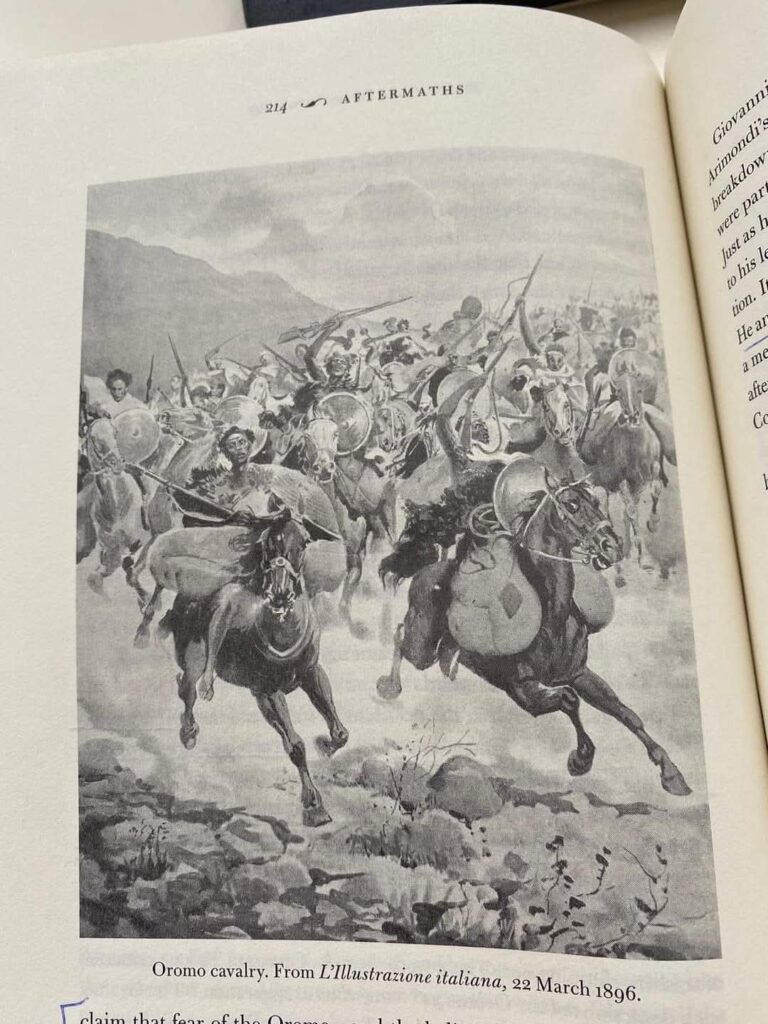
Within its spaces, one encounters the formidable landscape of the battle, the strategic brilliance of Ethiopia’s patriots, and the collective valor that led to the defeat of the Italian invasion. The leadership of the first African General, Ras Alula Aba Nega, the intelligence efforts of spymaster Bashay Awalom, and the courageous contributions of Oromo patriots on horseback are vividly conveyed, creating an immersive historical experience.
A question has been raised among some Tigrayans regarding the museum’s location in Addis Ababa rather than in Tigray. However, the rationale becomes clear upon consideration of Addis Ababa’s role as a diplomatic hub, a beacon for tourism, the seat of the African Union, and home to numerous international organizations. The city’s extensive and diverse tourist base, coupled with its modern infrastructure, renders it a fitting and accessible setting for a museum of national and continental importance.
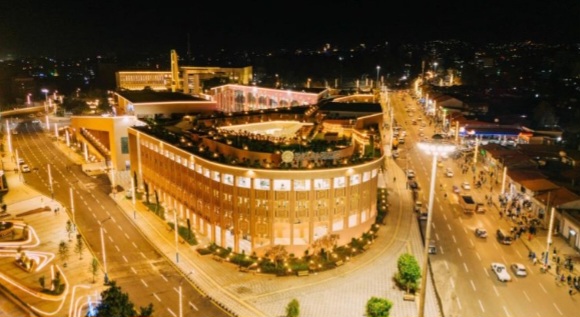
I visited the Adwa Victory Memorial Museum today.The Museum was inaugurated on 11 February 2024. According to the museum’s official website, it was unveiled by Prime Minister Abiy Ahmed alongside President Sahle-Work Zewde in a ceremony attended by diplomatic representatives, cultural leaders, and scholars.
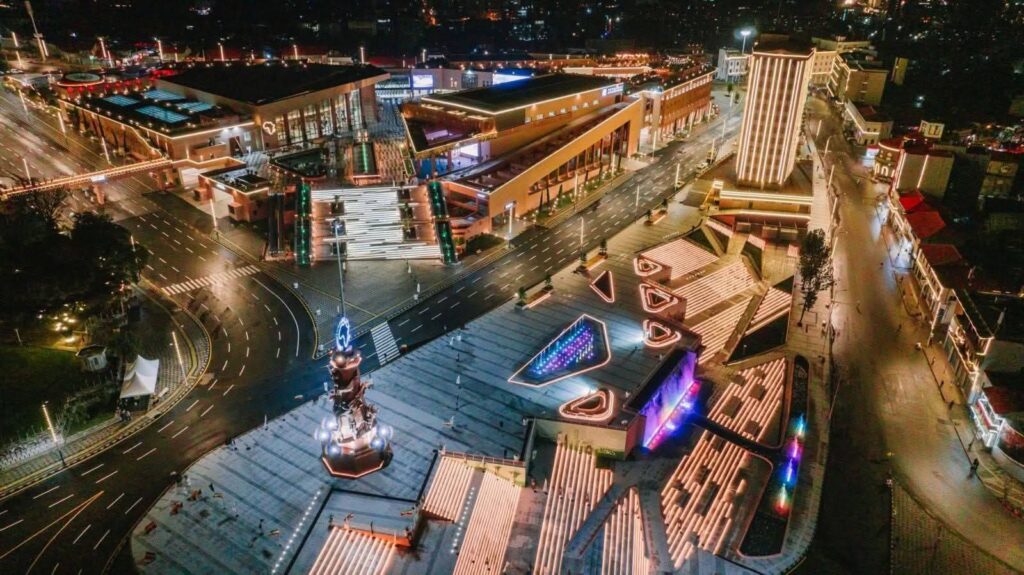
The memorial is located in the heart of the city, within the Piassa area of the Arada district, adjacent to the statue of Emperor Menelik II and near the Addis Ababa City Administration complex. Designed as a central component of the broader Adwa Zero KM Project, the museum occupies an expansive site that integrates history, culture, and public space in the capital.
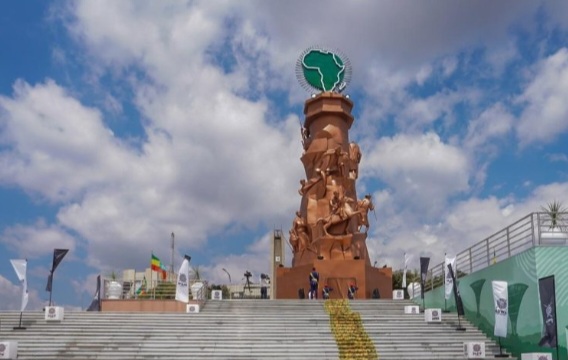
Since its opening, the facility has reshaped Addis Ababa’s cultural landscape, attracting thousands of visitors and quickly establishing itself as a defining landmark. In its first month alone, the museum welcomed over 31,000 visitors, comprising both Ethiopian citizens and international tourists, with attendance growing to hundreds of thousands in subsequent months. These figures reflect a growing interest in Ethiopia’s narrative of resistance, sovereignty, and African unity.
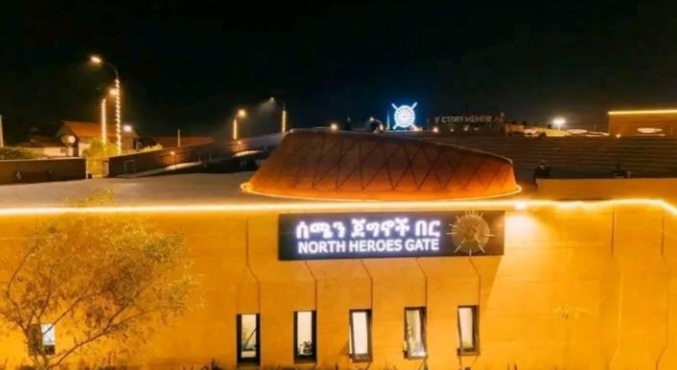
The museum’s architectural design and exhibitions consciously bridge past and present. Constructed on a multi-hectare site, the memorial incorporates symbolic spatial elements that honor the unity of Ethiopia’s diverse regions and their collective mobilization against colonial invasion. Entry gates are named to recognize the various groups and geographic fronts that contributed to the victory, while interior displays employ modern technology alongside traditional artifacts to narrate the story of the Battle of Adwa.

The leadership of Mayor Adanech Abebe has been instrumental in the project’s realization and public interpretation. During the inauguration, she emphasized that the museum would present a comprehensive portrayal of Adwa’s historical significance and serve as an enduring educational resource for future generations. Her administration’s commitment has positioned the memorial not merely as a local attraction, but as a national platform for historical learning, diplomacy, and cultural exchange.

The museum’s relevance extends beyond Ethiopia. Scholars and cultural figures describe it as a living testament to Africa’s resistance to colonialism. They note that the Battle of Adwa resonates across the continent as a pivotal moment of Black empowerment and sovereignty, and that the museum provides a vital space for Africans and global visitors to engage with these themes.
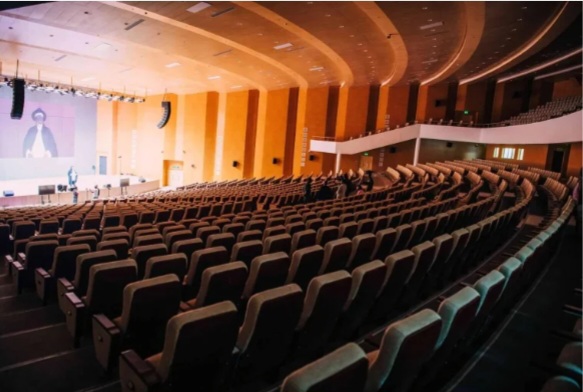
For Addis Ababa, the memorial has become both a major tourist destination and a permanent feature of the city’s identity one that harmonizes historical pride with contemporary ambition. Its proximity to diplomatic institutions and urban infrastructure ensures that the story of Adwa is woven into the fabric of the capital, reaching audiences from across Africa and the world who come to learn, reflect, and celebrate a legacy of resistance and unity.
———-
Editor’s Disclaimer:
The views and opinions expressed in articles published by Horn News Hub are those of the authors and do not necessarily reflect the official position or editorial stance of Horn News Hub. Publication does not imply endorsement.