

Adwa: Africa’s Defining Victory
By Chekole Alemu
The Adwa Victory Memorial Museum stands today at the political and diplomatic heart of Ethiopia, carrying a history that began far from the capital, in the rugged mountains of Adwa in Tigray. Built in Addis Ababa rather than at the original battlefield, the decision has sparked debate, particularly among communities in Tigray where the 1896 battle took place. Yet the museum’s location reflects a broader national and continental vision.
Adwa is not only a local memory. It is a defining chapter in Ethiopian and African history.
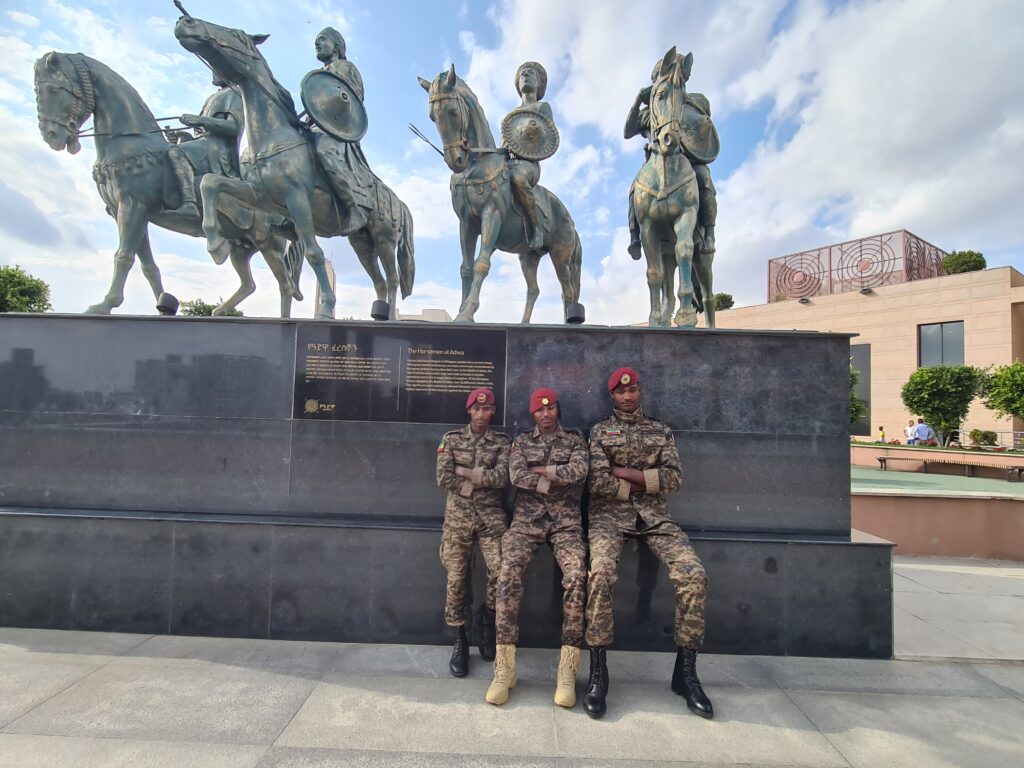
On March 1, 1896, Ethiopian forces defeated a modern European army at the Battle of Adwa. The victory secured Ethiopia’s sovereignty during the Scramble for Africa, making it the only African country to decisively repel colonial occupation at that time. The triumph reverberated across the continent and beyond. It forced the resignation of Italian Prime Minister Francesco Crispi and reshaped colonial calculations in Europe.
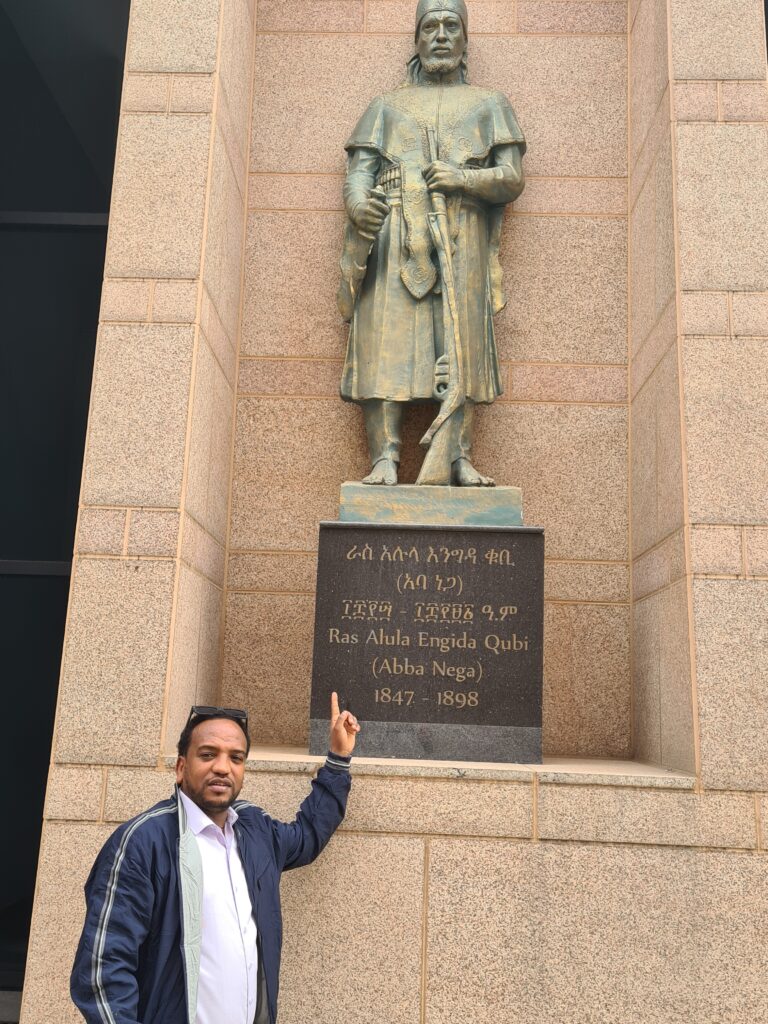
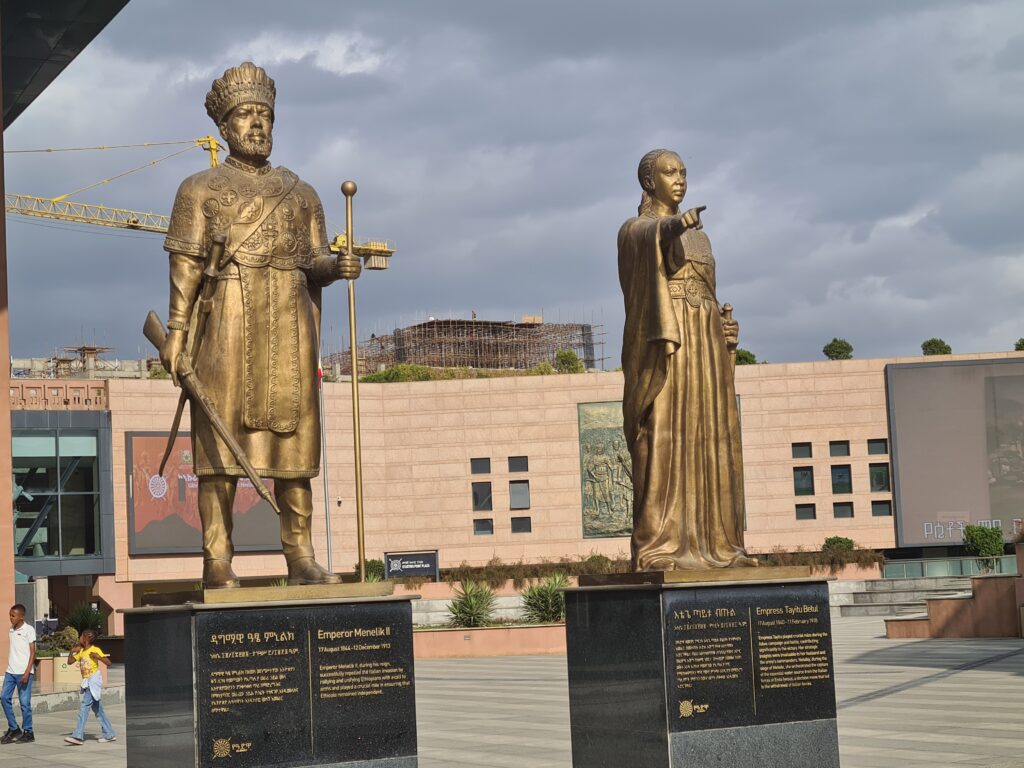
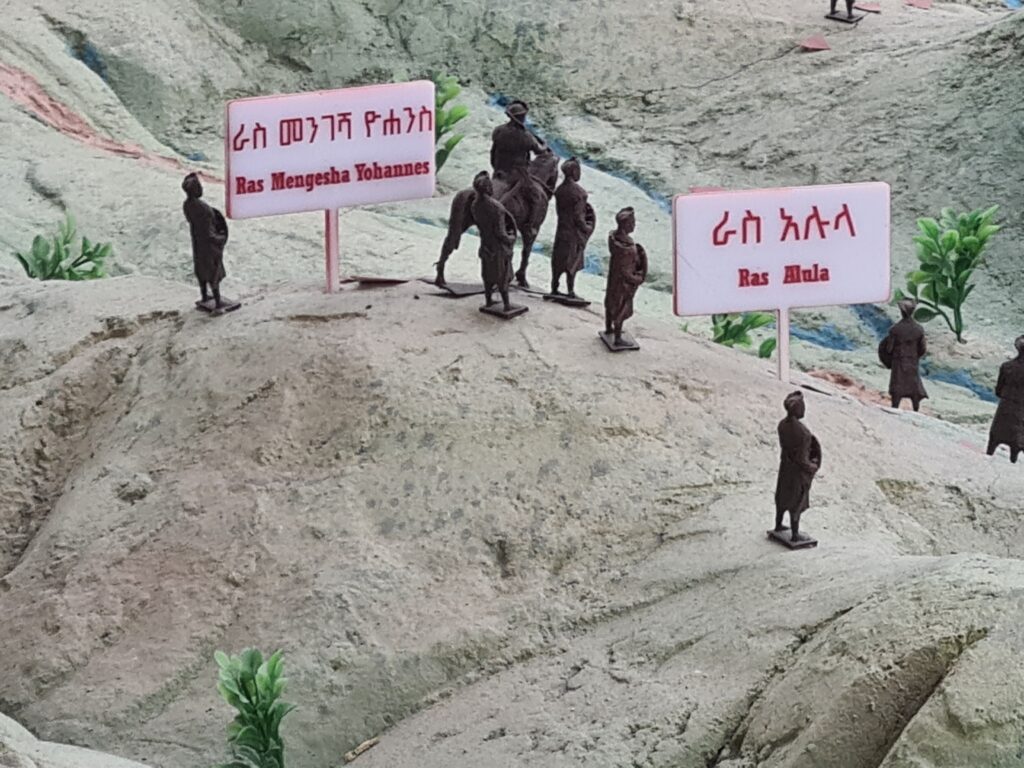
The Ethiopian army was led by Emperor Menelik II and Empress Taytu Betul, alongside prominent generals including Ras Alula Aba Nega. Their coordination of regional forces, stretching from Tigray to Shoa and beyond, demonstrated a rare moment of national unity. The battle also involved complex intelligence networks and traditional military systems adapted to confront a modern colonial army.
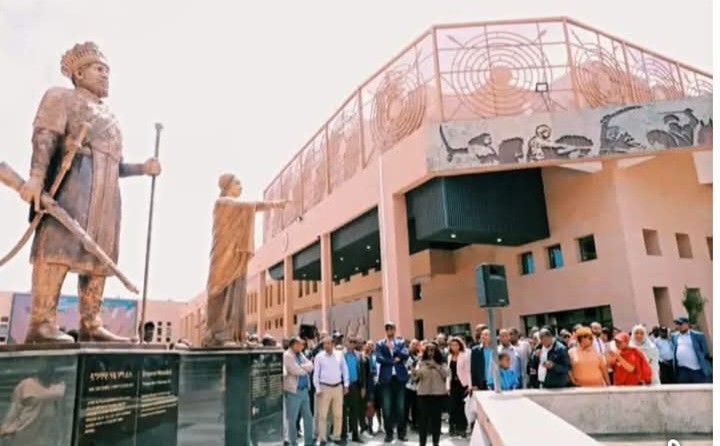
The newly built memorial complex in Addis Ababa seeks to translate that historic moment into a contemporary national narrative. Situated near the statue of Emperor Menelik II along Churchill Avenue, the site forms part of the Adwa Zero Kilometer project. Covering approximately 3.3 hectares and built at a reported cost of 4.6 billion birr, it is among the largest memorial projects undertaken by the Addis Ababa City Administration.
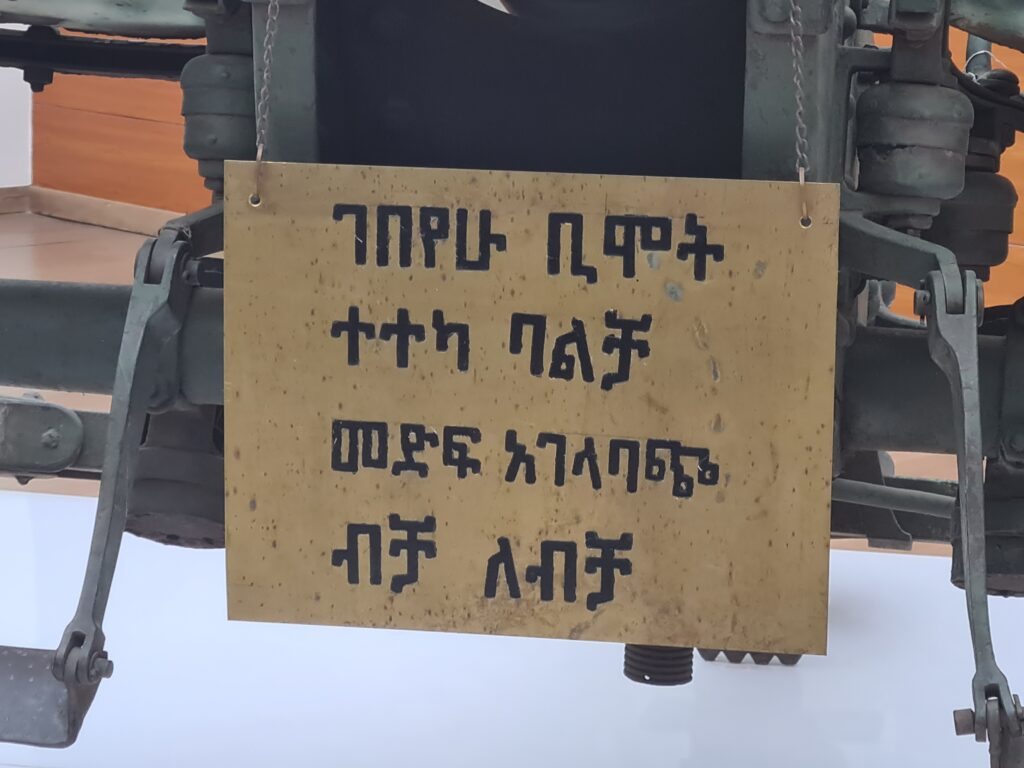
Architecturally, the museum incorporates symbolic references to Ethiopia’s ancient and medieval heritage, drawing inspiration from Axumite monuments and Lalibela rock hewn traditions. Its four main entrances represent the cardinal directions, reflecting the unity of Ethiopia’s diverse regions during the war. Inside, visitors encounter historical artifacts, traditional armaments, war customs, maps, archival material and digital installations, including holographic battle recreations and interactive exhibits.
The complex also includes a 2,500 seat Pan African Hall, an amphitheater, libraries, youth centers, indoor sports facilities, cafes and green spaces. It is designed not only as a museum but as a civic and cultural hub.
For critics who question why Adwa’s memory is institutionalized in Addis Ababa rather than Tigray, the answer lies partly in geography and symbolism. Addis Ababa is Africa’s diplomatic capital, home to the African Union and numerous international institutions. It attracts diplomats, scholars and tourists year round. Positioning the museum in the capital amplifies Adwa’s global message.
The memorial is increasingly framed not just as Ethiopian heritage but as Pan African heritage. Foreign scholars who recently visited the site during the 50th anniversary events marking the discovery of Lucy described Adwa as a shared African milestone. Among them were Professor Charles M. Musiba of Duke University and Professor Donald Johanson, the paleoanthropologist known for discovering Lucy. Researchers from more than 30 countries toured the museum, underscoring its growing international visibility.
Their message was consistent: Adwa symbolizes resistance, dignity and self determination. For many African intellectuals, the 1896 victory anticipated the wave of independence movements that swept across the continent in the 1960s. It became part of the intellectual foundation of Pan Africanism, reinforcing the idea that colonial domination was neither inevitable nor permanent.
The museum’s inauguration also coincides with renewed national reflection as Ethiopia commemorates the 130th anniversary of the Battle of Adwa. The milestone arrives at a time when the country is grappling with internal political tensions and questions of national cohesion. In this context, Adwa is often invoked as a reminder of collective strength in moments of existential threat.
The 130th commemoration carries layered meaning. For Tigrayans, it is a memory rooted in place and sacrifice. For Addis Ababa, it is a statement of national pride displayed to the world. For Africa, it is an enduring symbol of anti colonial resistance.
The Adwa Victory Memorial Museum ultimately operates on all three levels. It preserves artifacts and narratives from the battlefield. It projects Ethiopia’s historical identity to visiting diplomats and tourists. And it contributes to a broader continental conversation about who writes African history and how it is remembered.
As Ethiopia marks 130 years since Adwa, the museum stands not merely as a monument of stone and steel, but as a living archive. Its significance lies not only in commemorating a past victory, but in shaping how that victory informs the present and future.
Editor’s Disclaimer:
The views and opinions expressed in articles published by Horn News Hub are those of the authors and do not necessarily reflect the official position or editorial stance of Horn News Hub. Publication does not imply endorsement.