

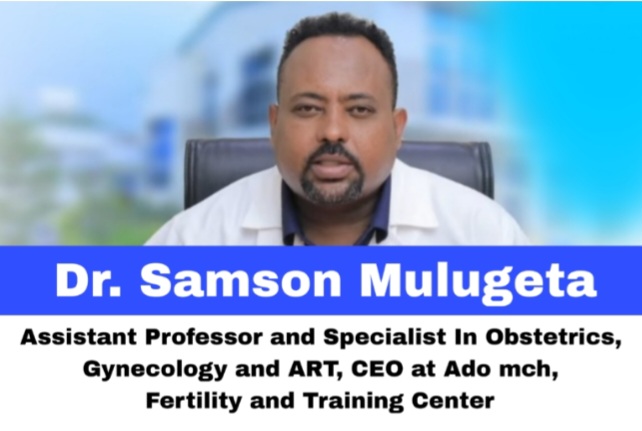
Mekelle/Tel Aviv/Nairobi/Pretoria/London
ADO MCH and Fertility Center Emerges as a Key Actor in Reproductive Health Training and Newborn Care in Tigray
The accreditation of Ado Short Term and CPD Training Center in Mekelle marks a notable development in Ethiopia’s reproductive health landscape. Officially recognized by the CPD Desk of the Ministry of Health in collaboration with the Ethiopian Medical Association, the center is now authorized to provide three to six month specialized training in Assisted Reproductive Technology for gynecologists and embryologists. According to health sector observers, this is the first structured short term ART training program of its kind in the country.
The move addresses a long standing gap in professional training. Until now, Ethiopian doctors seeking ART specialization often relied on costly overseas programs, requiring significant foreign currency expenditure and extended absence from clinical practice. By localizing this training, the program reduces financial and logistical barriers while contributing to domestic capacity building in a highly specialized field.
The center plans to begin the program by training two gynecologists and one embryologist at no cost, a decision framed by the institution as part of its effort to expand access to infertility care. Officials involved in the accreditation process have emphasized the importance of such initiatives in a health system where demand for fertility services is rising faster than the availability of trained specialists.
Beyond short term training, Ado MCH and Fertility Center is positioning itself as a broader hub for education and skills development in reproductive sciences. The institution has also established academic partnerships with higher education institutions in India, opening pathways for qualified Ethiopian professionals to pursue master’s and doctoral level studies in embryology and assisted reproductive technology. These collaborations aim to combine local clinical exposure with international academic training, a model that could help bridge gaps in advanced expertise.
This expansion into training and education builds on the center’s clinical footprint in Tigray. Established in 2014, with institutional roots dating back to 2006, Ado MCH and Fertility Center has provided services to more than 30,000 patients and supported over 2,000 births. In a region affected by conflict, displacement, and repeated disruptions to public health services, maintaining continuity of maternal and reproductive care has been a persistent challenge.
What distinguishes the center’s recent trajectory is its gradual shift toward integrated maternal, newborn, and child health interventions. A key example is the introduction of Kangaroo Mother Care, an evidence based approach for preterm and low birth weight infants that relies on continuous skin to skin contact, exclusive breastfeeding, and close follow up. While KMC has been part of Ethiopia’s national health strategy since 2014, implementation has remained uneven, largely concentrated in a limited number of public facilities.

Here is the revised version, framed from the hospital’s institutional perspective rather than an individual statement, while keeping a neutral, third party tone:
The decision by Ado MCH and Fertility Center to introduce Kangaroo Mother Care was guided by established clinical evidence and the practical realities faced by vulnerable newborns in the region. Preterm and low birth weight infants remain among the highest risk patient groups, particularly in resource constrained settings such as post conflict Tigray. Although Kangaroo Mother Care has been included in Ethiopia’s national health guidelines for over a decade, its availability remains largely limited to major public hospitals. As a result, many newborns delivered or treated in private facilities have lacked access to this proven life saving intervention, a gap the center sought to address through its service expansion.
In Tigray, KMC has been implemented in only three woredas, primarily through public sector facilities. Ado MCH and Fertility Center is the first private health institution in the region to offer the service. This expansion is significant given that many families seek care in private facilities due to proximity, trust, or perceived quality of service. By offering KMC, the center ensures that access to newborn survival interventions is not determined solely by the type of facility where care is provided.
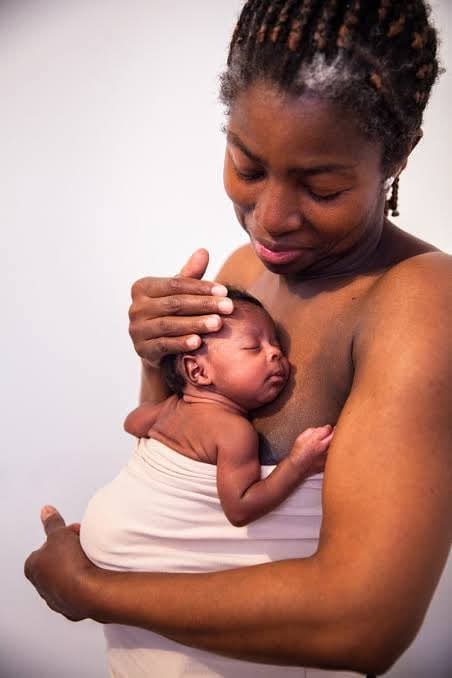
Health experts note that the impact of KMC extends beyond reduced mortality. The approach supports early bonding, improves breastfeeding outcomes, shortens hospital stays, and reduces financial and emotional strain on families. It also promotes a model of care that places mothers at the center of the recovery process, aligning with broader public health goals focused on dignity and patient participation.
From a systems perspective, Ado’s experience highlights the potential role of private health facilities in advancing national health priorities. Ethiopia’s challenges with KMC have been less about policy and more about implementation. By investing in trained staff, dedicated space, and follow up care, the center demonstrates how institutional commitment can overcome many of the known barriers.
In a post conflict context where rebuilding trust in health services is critical, Ado MCH and Fertility Center represents a case study in how specialized care, professional training, and targeted newborn interventions can intersect. Its expanding role in fertility treatment, reproductive health education, and newborn survival reflects a broader shift toward locally grounded solutions that complement public sector efforts. As Ethiopia continues to address gaps in maternal and newborn health, such integrated models are likely to draw increasing attention from policymakers and health system planners.
----------Editor’s Disclaimer:
The views and opinions expressed in articles published by Horn News Hub are those of the authors and do not necessarily reflect the official position or editorial stance of Horn News Hub. Publication does not imply endorsement.