
Addis Ababa’s Urban Transformation: Infrastructure, Governance, and the Making of Africa’s Diplomatic Capital
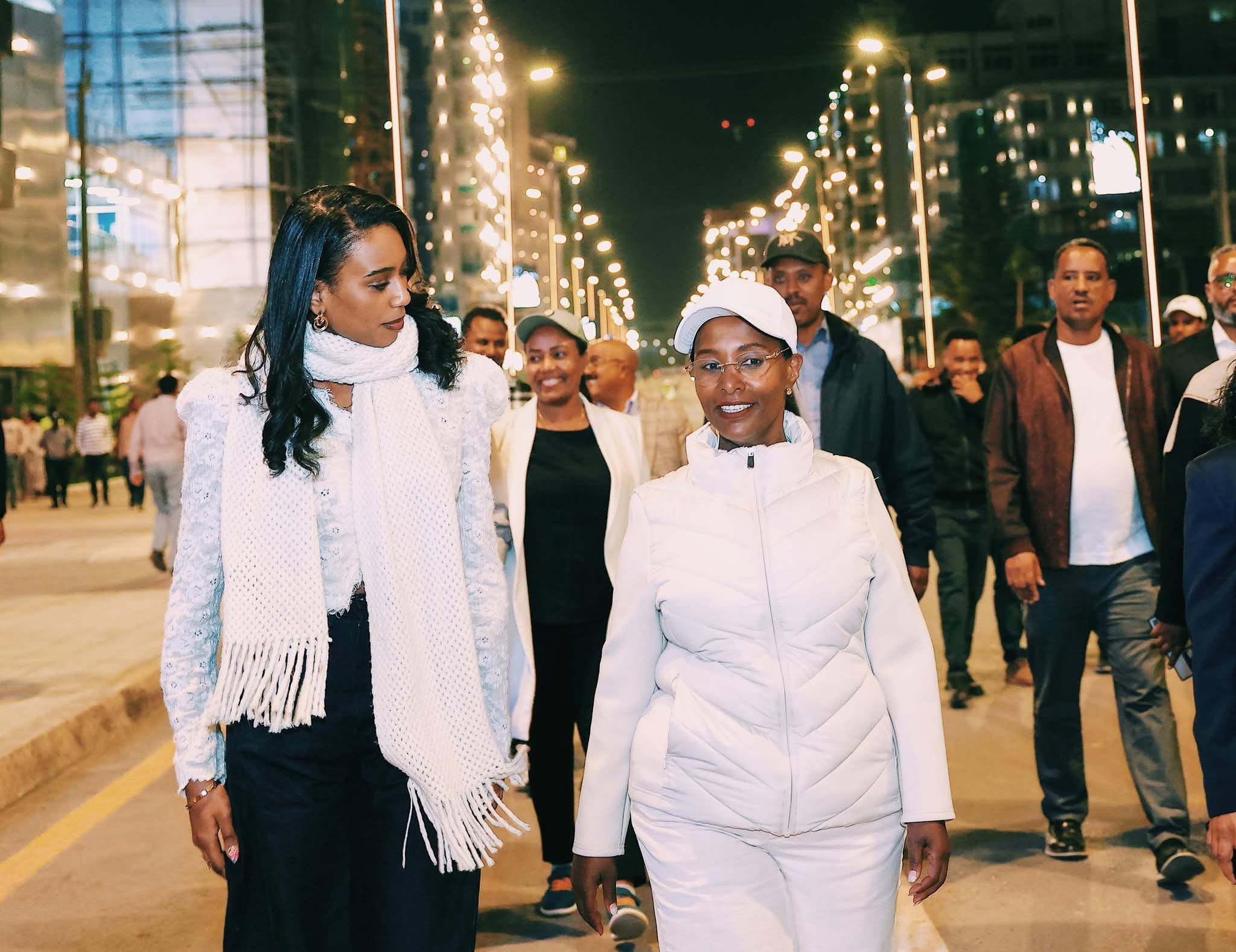
Addis Ababa is undergoing one of the most visible phases of urban transformation in its modern history. Across the city, large scale infrastructure projects, corridor developments, and urban renewal programs are reshaping both the physical landscape and the narrative surrounding Ethiopia’s capital.
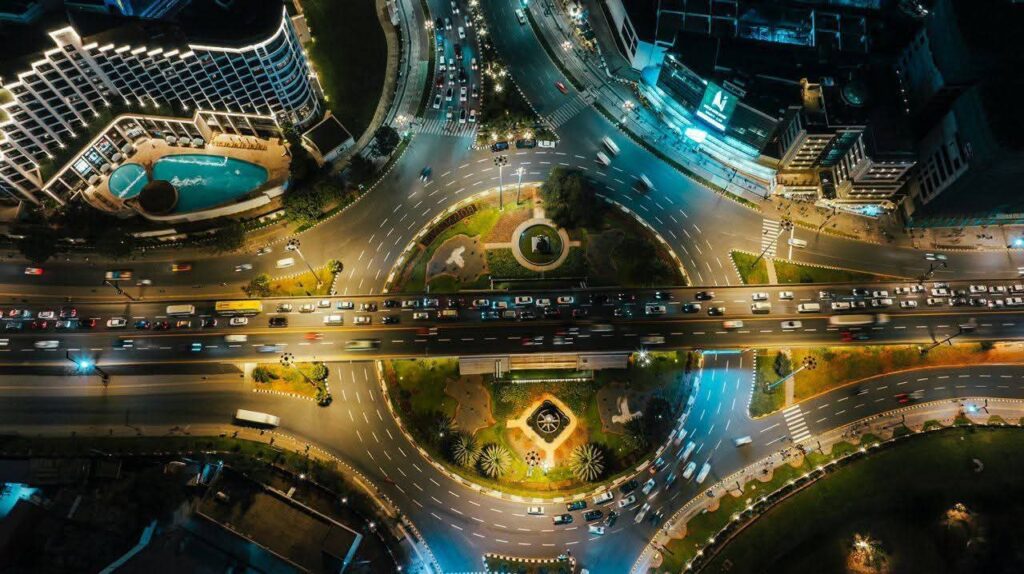
Officials from the Prosperity Party say the ongoing initiatives are designed to address long standing urban challenges while repositioning Addis Ababa as a modern African metropolis. The projects focus on improving roads, expanding public spaces, renovating buildings, and strengthening transportation networks.
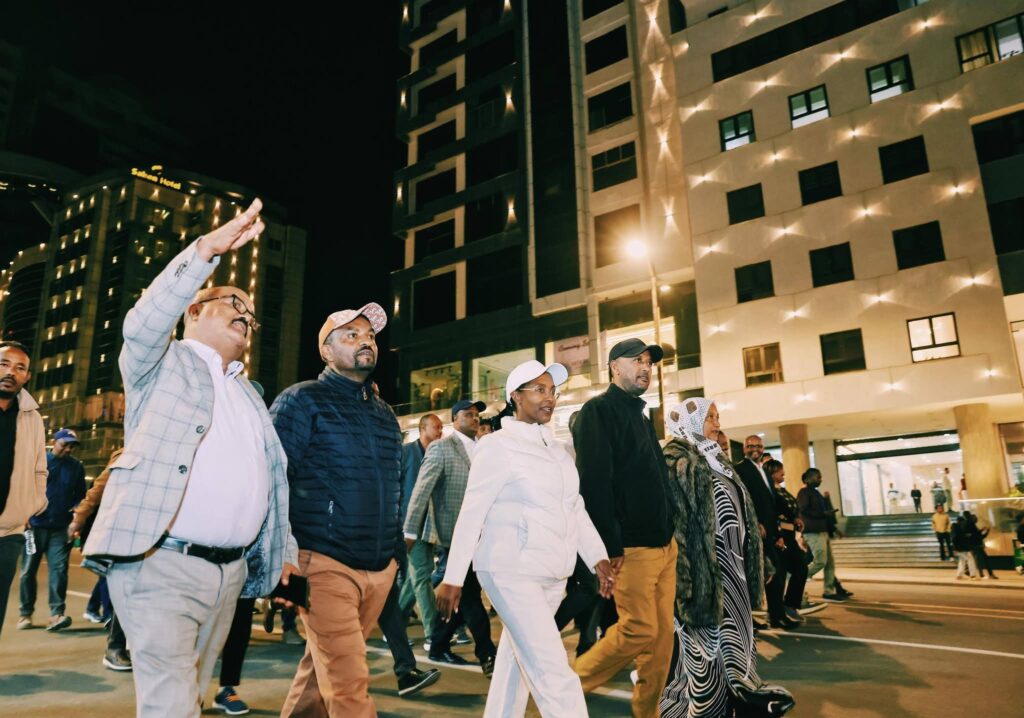
According to the party’s office, these efforts have already begun reducing problems that have historically defined parts of the city, including dust from unpaved areas, poor pedestrian infrastructure, and limited public amenities. The goal, officials say, is not only to modernize the capital but also to build a city that future generations can take pride in.
The transformation is closely linked to the leadership of Adanech Abebe, the mayor of Addis Ababa. Since taking office, her administration has placed strong emphasis on corridor development, urban beautification, and expanding services that support both residents and visitors. Several projects completed in recent months have focused on improving major routes across the city, introducing pedestrian walkways, bicycle lanes, green spaces, and modern transportation facilities.

City officials describe these developments as part of a broader strategy to make Addis Ababa more livable and economically dynamic. “The city is increasingly emerging as a peaceful and livable center, reflecting its historical significance and identity,” the party office said in a statement. “These developments signal a renewed path of urban transformation.”
Urban planners note that Addis Ababa has long struggled with rapid population growth and infrastructure gaps. Over the past two decades, the city has expanded quickly, driven by rural migration, economic opportunity, and Ethiopia’s growing role in regional diplomacy. The challenge for city administrators has been how to modernize infrastructure while maintaining the character of a capital that carries deep historical and political symbolism.

One of the defining features of Addis Ababa is its position as Africa’s diplomatic capital. The city hosts the headquarters of the African Union as well as the United Nations Economic Commission for Africa. Numerous embassies, international organizations, and development institutions operate from the capital, giving it a unique status in continental diplomacy.
This diplomatic identity has influenced the city’s development priorities. Conference facilities, hotels, and transport links have become central elements of urban planning. Addis Ababa increasingly markets itself as a global meeting point where African leaders, diplomats, and international institutions convene.
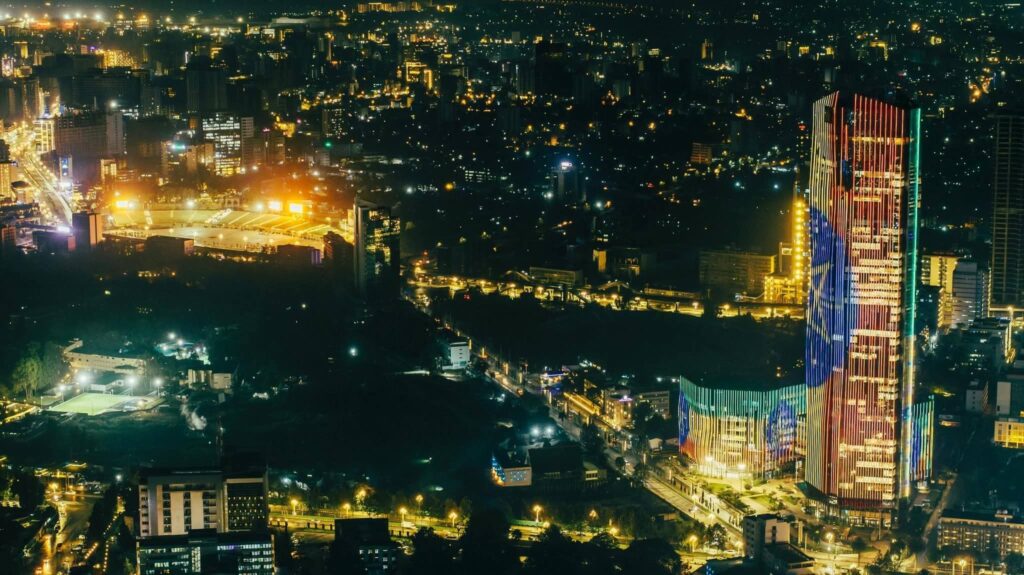
Transportation also plays a crucial role in this strategy. The city serves as the main hub of Ethiopian Airlines, Africa’s largest airline, whose global network connects Addis Ababa to major cities across Europe, Asia, the Middle East, and the Americas. The airline’s expansion has helped position the capital as an important gateway between Africa and the rest of the world.
Economic considerations are also driving the city’s transformation. Urban renewal projects are expected to stimulate commercial activity by creating new business spaces, attracting investment, and encouraging tourism. Improved infrastructure can increase property values and support small businesses along newly developed corridors.

Tourism authorities have begun promoting Addis Ababa not only as a political center but also as a destination rich in history and culture. The capital is home to several landmarks that reflect Ethiopia’s long historical narrative. At the same time, new parks, public squares, museums, and modern commercial districts are emerging as attractions for visitors.
Environmental improvements are another focus of the city’s development agenda. Municipal authorities are expanding green spaces, planting trees, and introducing pedestrian friendly designs aimed at making the capital cleaner and more accessible. Walkways and cycling paths are becoming more common in newly developed corridors, reflecting an effort to build a city that supports both mobility and public health.

Supporters of the current initiatives argue that these projects signal a new phase in Addis Ababa’s development. They see the improvements as a step toward transforming the capital into a clean, green, and modern metropolis capable of competing with other major African cities.
At the same time, urban experts emphasize that long term success will depend on maintaining balanced development. Issues such as housing affordability, traffic congestion, and equitable access to services remain major concerns for residents. Ensuring that infrastructure improvements benefit all communities will be critical as the city continues to expand.
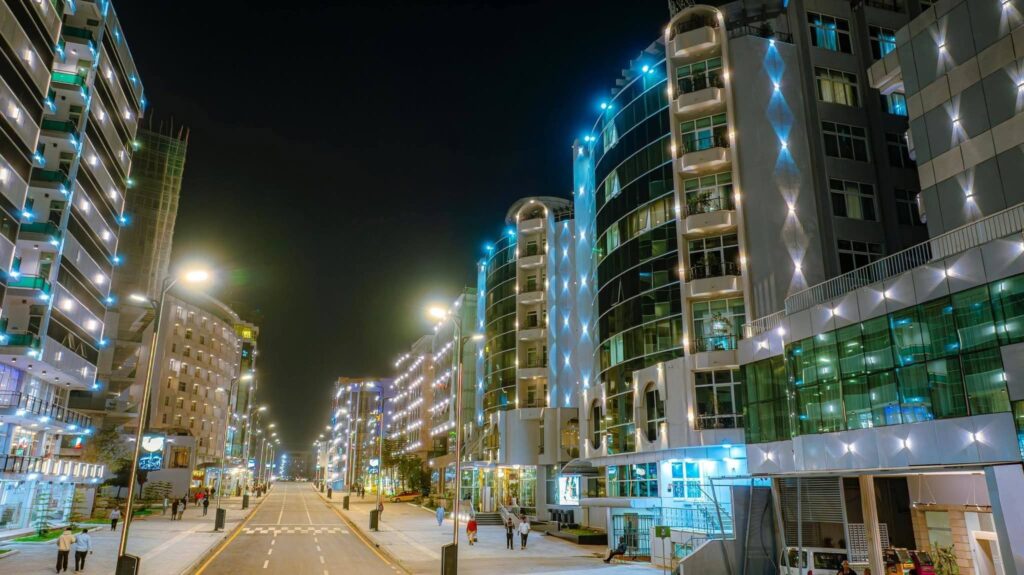
Despite these challenges, Addis Ababa’s evolving identity is becoming clearer. It is not only Ethiopia’s administrative center but also a hub for African diplomacy, aviation, and international dialogue.
The capital’s development story therefore reflects more than physical construction. It represents an attempt to redefine how the city functions and how it is perceived on the continental and global stage.
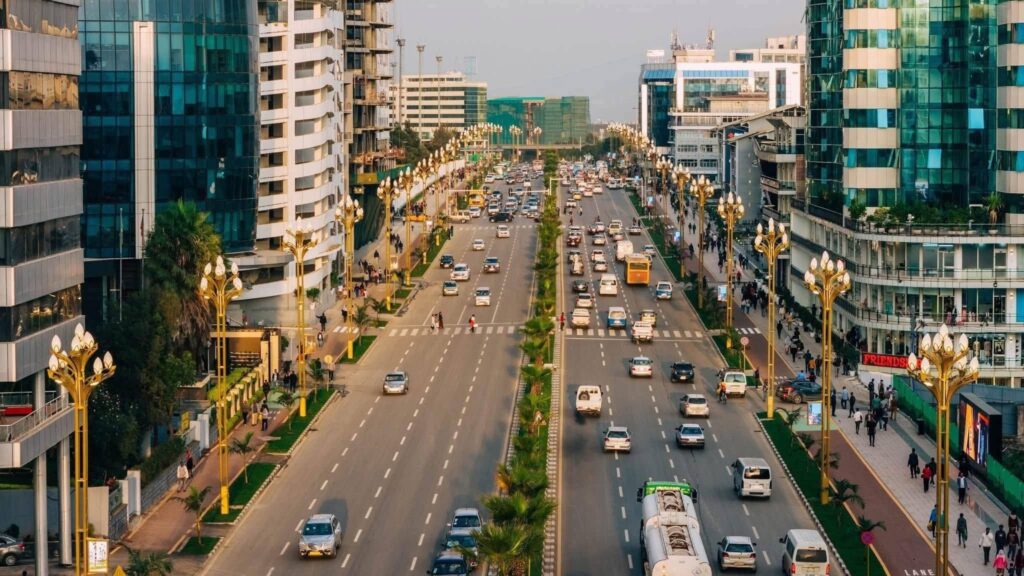
As new roads, public spaces, and urban corridors take shape, Addis Ababa is gradually presenting itself as a city where history, diplomacy, and modern development intersect. For its leaders, the ambition is clear: to build a capital that reflects Ethiopia’s past while preparing for a more connected and dynamic future.
———-
Editor’s Disclaimer:
The views and opinions expressed in articles published by Horn News Hub are those of the authors and do not necessarily reflect the official position or editorial stance of Horn News Hub. Publication does not imply endorsement.