

Mekelle/Tel Aviv/Nairobi/Pretoria/London
Urban Renewal, Governance, and the Politics of a Changing Capital
By Chekole Alemu
Addis Ababa is undergoing one of the most ambitious urban transformations in its modern history. At the center of this shift is the Riverside Project, also known as the Beautifying Sheger initiative, a sweeping effort to reclaim polluted rivers, redesign neglected urban corridors, and redefine how Africa’s political capital functions as a city.
Initiated in 2019 under Prime Minister Abiy Ahmed, the project reflects a broader national vision that links environmental restoration, economic growth, and state capacity. Its implementation, however, has largely fallen to city leadership, with Mayor Adanech Abiebie playing a decisive role in translating political ambition into visible urban change.
From Neglect to Strategic Asset
For decades, Addis Ababa’s rivers such as Kebena and Bishoftu were symbols of urban failure. They served as dumping grounds, flood channels, and informal settlement zones, reinforcing inequality rather than opportunity. The Riverside Project reframes these waterways as strategic assets.
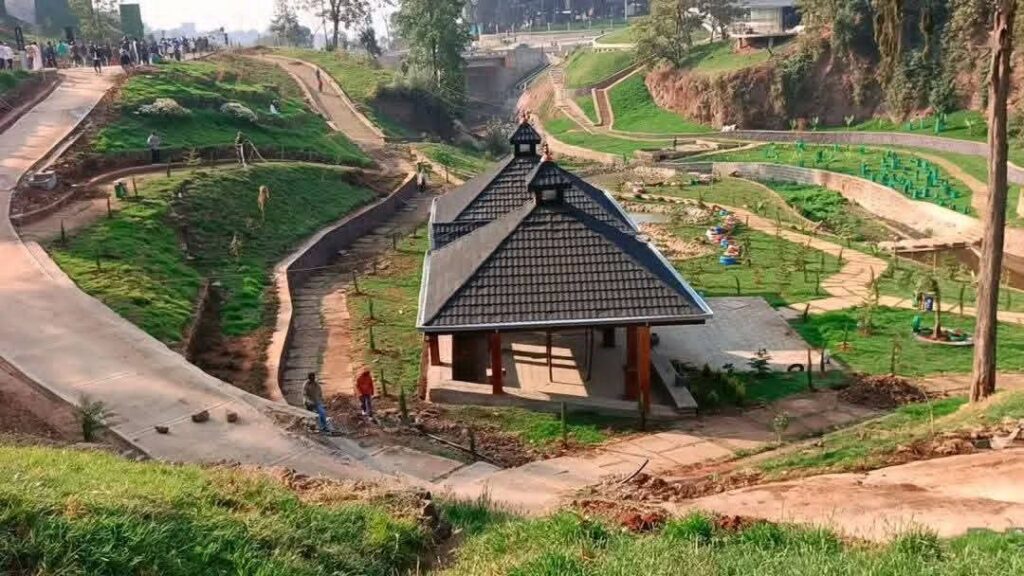
Spanning more than 21.5 kilometers across multiple sub cities, the project aims to turn riverbanks into green corridors that combine ecological restoration with public life. Walkways, bike lanes, public plazas, playgrounds, amphitheaters, and small commercial spaces now line stretches that were once inaccessible and hazardous.

This shift is not cosmetic. River cleanup reduces flood risk, improves public health, and restores ecological balance in a city increasingly vulnerable to climate stress. At the same time, redesigned public space creates economic activity, tourism potential, and employment, particularly for urban youth.
Governance in Practice, Not Rhetoric
What distinguishes Addis Ababa’s transformation is not only scale, but governance style. Under Mayor Adanech Abiebie, the city administration has pursued a hands-on, execution-focused approach. The mayor’s office has emphasized coordination across agencies, strict timelines, and visible accountability, a notable change in a system often criticized for bureaucratic inertia.
Urban renewal in Addis Ababa is being treated as a governance test. Can the city deliver complex infrastructure while managing displacement, compensation, and social inclusion? Can it enforce environmental rules in informal zones without triggering social backlash? The Riverside Project has become a proving ground for these questions.
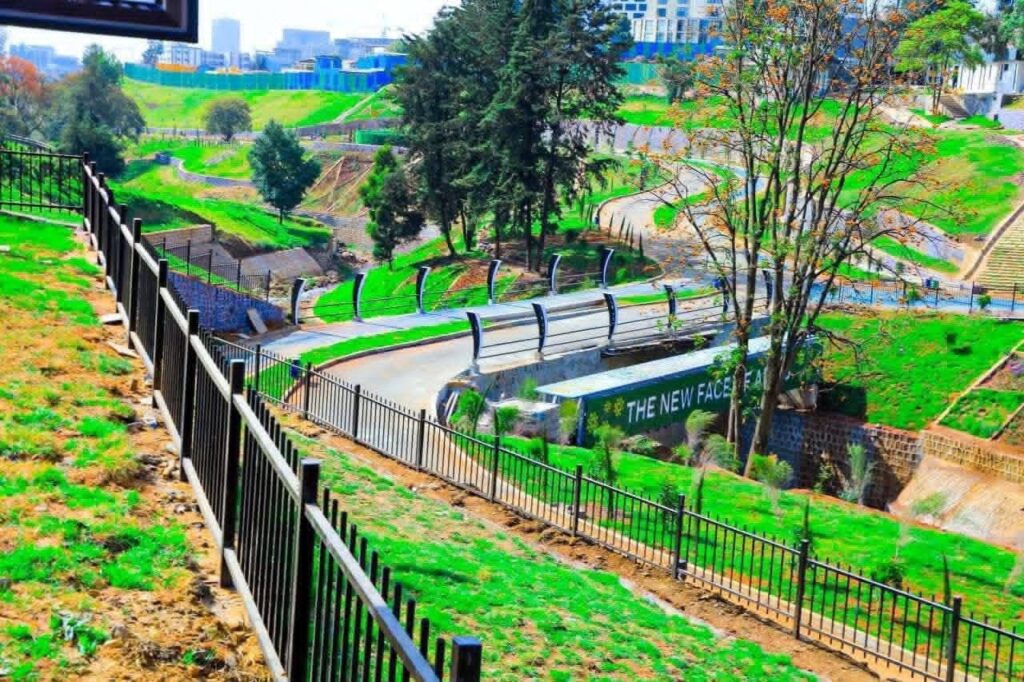
City officials argue that the project’s design prioritizes inclusivity by opening public spaces to all residents rather than enclosing them for elite use. While debates continue over relocation and livelihoods, the administration frames the project as an attempt to balance development with dignity, a phrase frequently echoed by the mayor’s office.
Economic Logic Behind the Green Vision
The Riverside Project is also an economic intervention. Construction alone has generated thousands of jobs, while the long-term plan envisions sustained employment through maintenance, tourism, retail, and cultural activities.
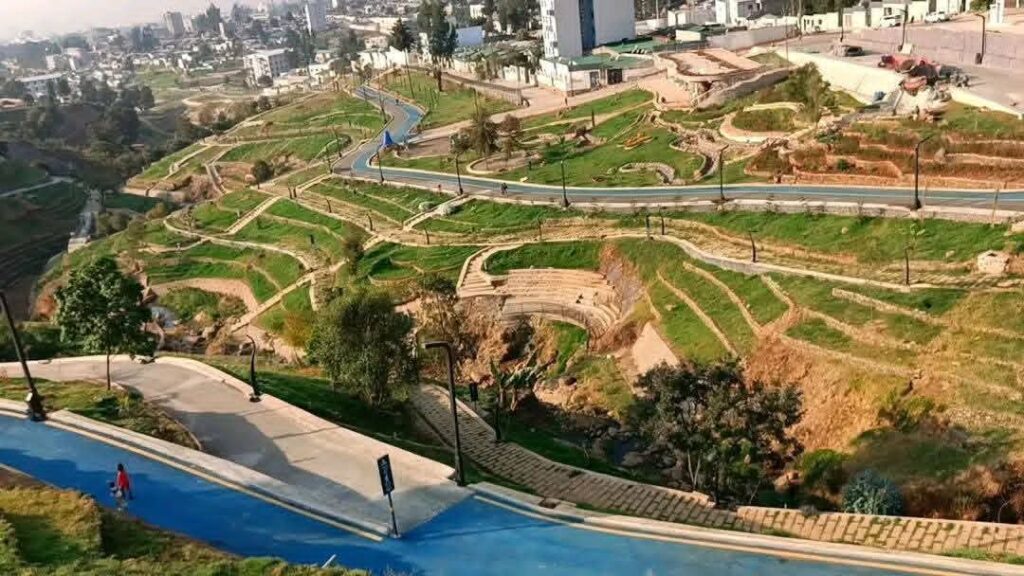
Addis Ababa’s leadership sees urban aesthetics as economic infrastructure. A cleaner, greener, more walkable city attracts investors, diplomats, and visitors. As the third-largest diplomatic hub in the world and the seat of the African Union, Addis Ababa’s image matters. The Riverside corridors are designed to reflect the city’s continental role while improving everyday life for residents.
International partnerships have supported this vision. Collaboration with entities such as the Italian Agency for Development Cooperation and China Communications Construction Company has brought technical expertise and financing, while keeping political ownership firmly domestic.
Political Leadership and Urban Legacy
Prime Minister Abiy Ahmed’s role in launching the Riverside Project places it within his broader narrative of national renewal, blending symbolism with infrastructure. By naming the initiative Beautifying Sheger, the government tied urban reform to cultural identity and historical memory.
Mayor Adanech Abiebie, however, has become the face of its execution. Her leadership has emphasized visibility, regular site inspections, and public communication. In a political environment where trust in institutions is fragile, tangible urban change has become a form of legitimacy.
Critics question sustainability, cost, and the risk of prioritizing flagship projects over basic services. Supporters counter that transformative cities are not built incrementally, and that Addis Ababa is correcting decades of deferred urban investment.
A Model, With Conditions
The Riverside Project positions Addis Ababa as a potential model for African urban development, one that integrates environment, architecture, governance, and economic planning. Its success, however, will ultimately be measured not by photographs or opening ceremonies, but by durability.

Will the rivers remain clean? Will public spaces stay accessible? Will local communities benefit over time? These questions will define whether Addis Ababa’s transformation is structural or symbolic.