

Addis Ababa: Africa’s Diplomatic Capital Reinvents Itself
By Chekole Alemu
Addis Ababa is changing at a pace that even longtime residents struggle to keep up with. Leave the city for a year and you return to new roads, new skylines, new districts rising from what were once open fields. Construction cranes have become part of the horizon. Infrastructure projects stretch from the city’s historic core to its expanding outskirts.
At the center of this transformation is a deliberate effort to redefine Addis Ababa not only as Ethiopia’s capital, but as Africa’s diplomatic and economic gateway.
The Diplomatic Anchor
For decades, Addis Ababa has held a unique position as host of the African Union. The city is often described as the political capital of Africa, a place where continental priorities are debated and shaped.
The 39th AU Summit once again placed Addis at the center of continental dialogue. Heads of state, diplomats, policy experts, and development partners converged on the city. But beyond the formal sessions and communiqués, the summit also served as a mirror reflecting how much the city itself has evolved.
Diplomacy today requires infrastructure. Modern conference halls, secure transport systems, digital connectivity, and world-class hospitality are no longer optional. Addis Ababa has invested heavily to meet those standards.
A Hospitality Hub in the Making
One symbol of this ambition is the Ethiopian Skylight Hotel. Located within walking distance of Bole International Airport, the hotel reflects Ethiopia’s broader aviation-driven growth strategy.
With 1,024 rooms, it is the largest hotel in Africa by bed capacity. The structure stretches nearly 200 meters and includes 19 food and beverage outlets, a major ballroom, and meeting facilities capable of hosting up to 5,000 guests. Premium rooms average around 400 dollars per night during normal seasons, with occupancy rates hovering near 65 percent.
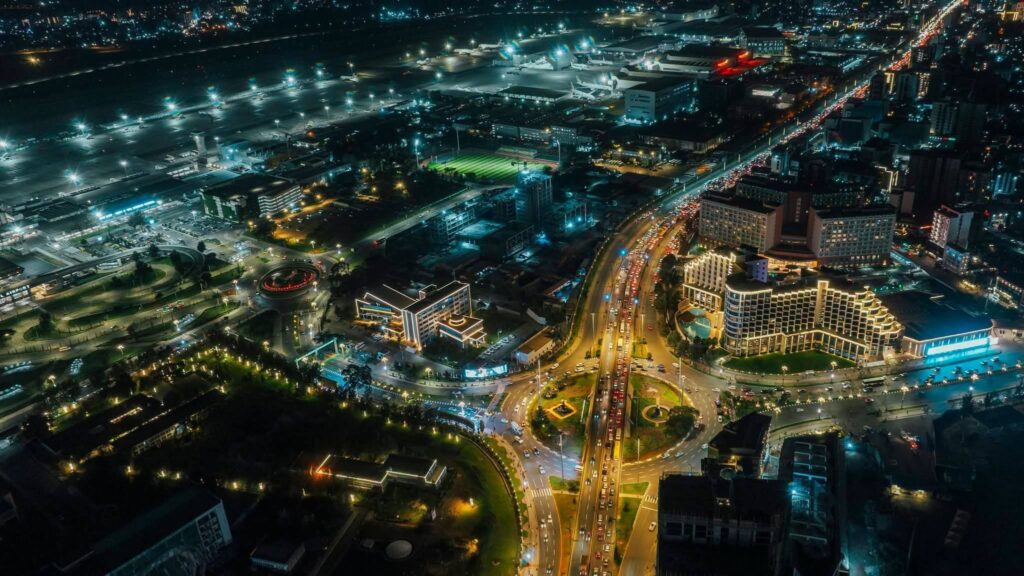
Its primary clientele are passengers of Ethiopian Airlines, Africa’s largest airline. The synergy between aviation and hospitality is not accidental. It is part of a broader national model that links transport, tourism, and conference diplomacy into one growth engine.
This approach has helped position Addis Ababa as a preferred destination for international summits, business forums, and multilateral gatherings.
Urban Development at Scale
Beyond hotels and conference halls, Addis Ababa’s transformation is visible in roads, corridors, housing developments, and green spaces. The city has pursued large-scale corridor development projects aimed at modernizing infrastructure while reorganizing traffic flow and public space.
Urban planners face a delicate balancing act. Addis Ababa is one of Africa’s fastest-growing cities, with a population that has expanded rapidly over the past two decades. Managing congestion, informal settlements, unemployment, and environmental pressure requires both technical capacity and political resolve.
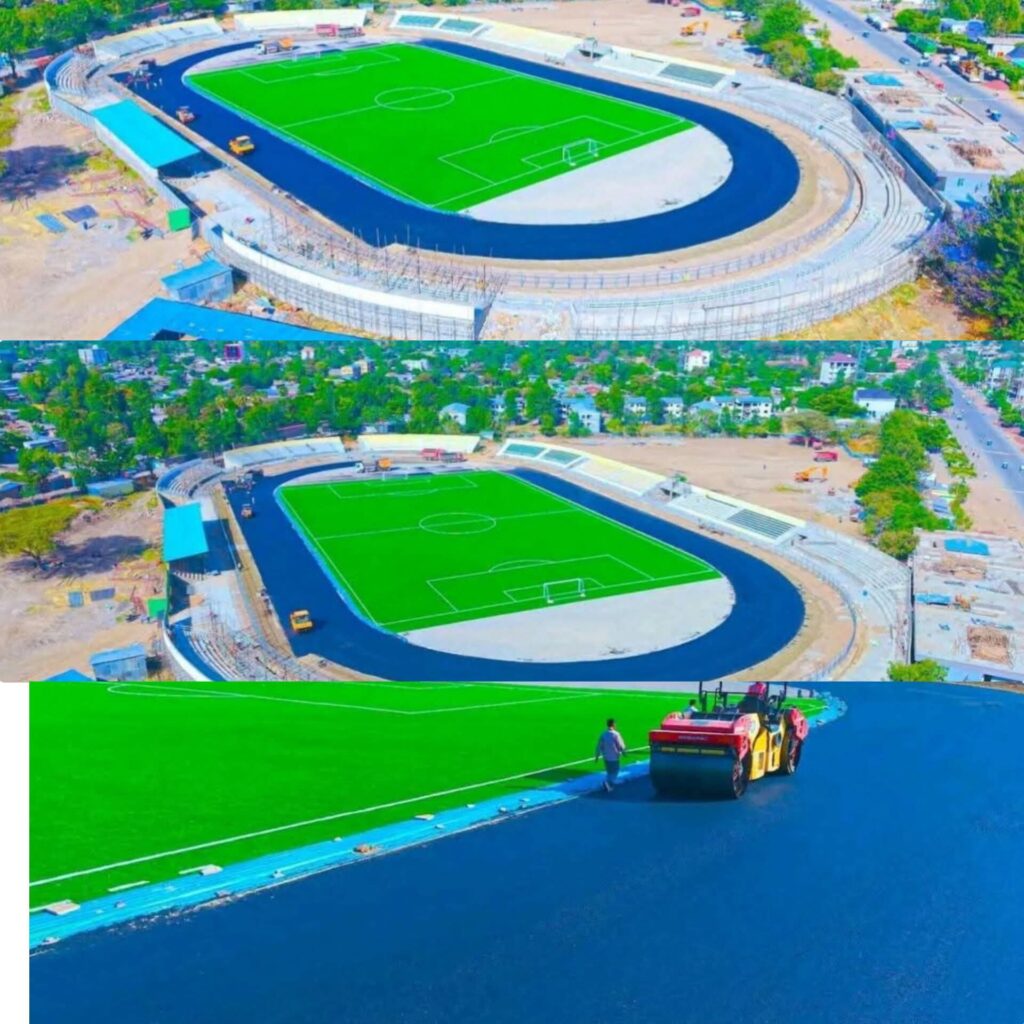
The administration under Mayor Adanech Abiebie has framed development as a comprehensive urban renewal agenda. Her leadership emphasizes corridor expansion, sanitation reform, housing initiatives, and improvements in municipal service delivery.
Supporters describe the changes as a visible “urban miracle,” pointing to beautification campaigns, infrastructure upgrades, and stronger city-level governance coordination. Critics, meanwhile, raise concerns about displacement, affordability, and inclusivity. Both perspectives underscore one reality: Addis Ababa is undergoing structural change, not cosmetic adjustment.
Governance and Economic Ambition
Urban development in Addis Ababa cannot be separated from Ethiopia’s broader economic reforms. The city serves as the country’s financial and diplomatic nerve center. Government ministries, international organizations, embassies, and regional offices all operate here.
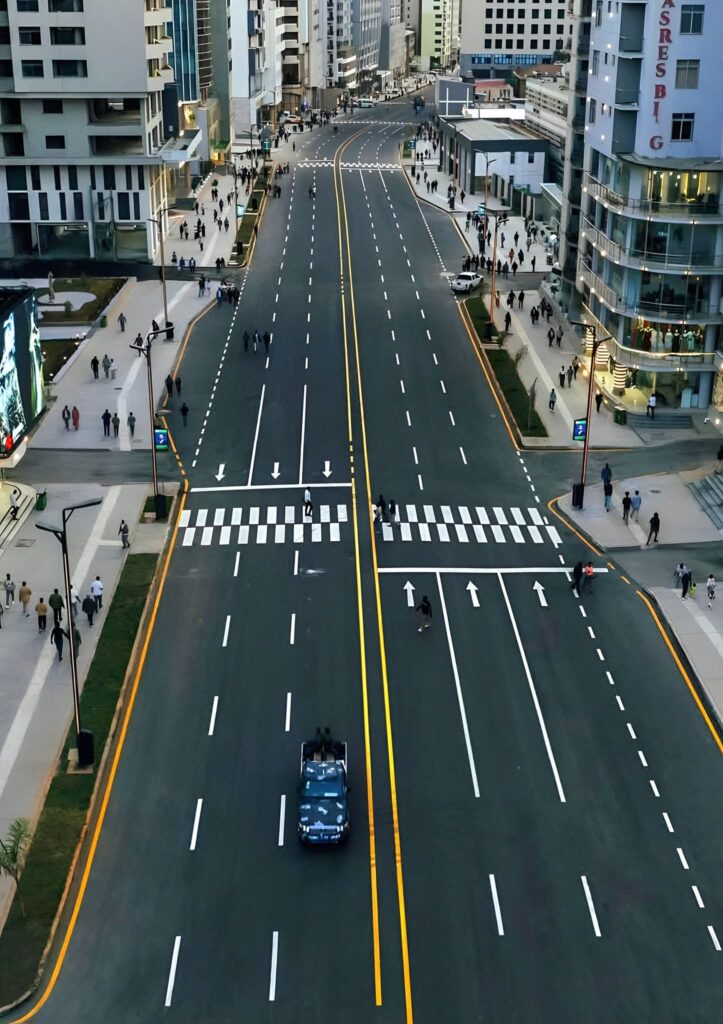
Economic growth strategies increasingly focus on positioning Addis as a services hub. Conference tourism, aviation connectivity, logistics, and hospitality now complement traditional public-sector dominance.
The city’s growth also reflects Ethiopia’s ambition to integrate more deeply with global markets. Improved infrastructure attracts foreign investment. Modernized urban systems strengthen investor confidence. At the same time, governance reforms aim to improve transparency and efficiency at the municipal level.
The Symbolism of a Capital
Addis Ababa’s identity goes beyond economics. It carries historical weight. Founded in the late 19th century, it became a symbol of African independence during the anti-colonial era. Today, its role as host to continental diplomacy reinforces that legacy.
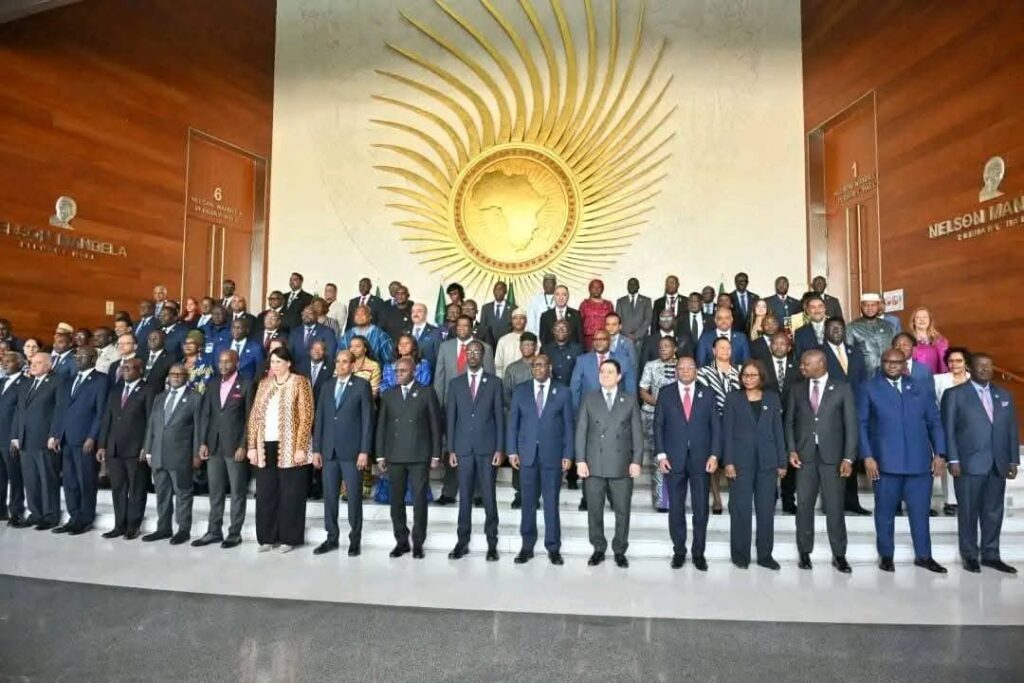
When African leaders gather under Addis’ highland sky, they are not just attending meetings. They are participating in a tradition that links the city to Africa’s collective political story.
The mayor’s message during the summit captured that sentiment: Addis Ababa as a place that brings leaders and partners together around shared continental priorities. A space for dialogue and coordination. A city where Africa’s future direction is shaped.
Challenges Ahead
Rapid growth always carries risk. Infrastructure must keep pace with population expansion. Housing demand continues to outstrip supply. Public transport requires further modernization. Environmental sustainability is becoming urgent as urban density increases.
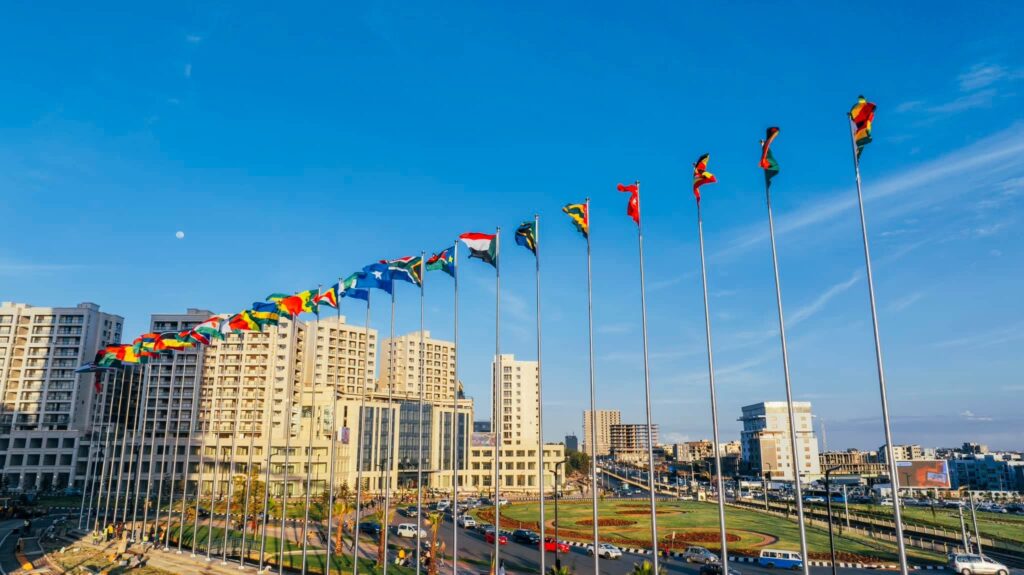
The next phase of Addis Ababa’s transformation will depend on whether development remains inclusive. Economic expansion must translate into jobs and services for ordinary residents, not only prestige projects.
A City in Motion
Still, few can deny the momentum. Addis Ababa today is more connected, more ambitious, and more globally visible than at any time in its history.
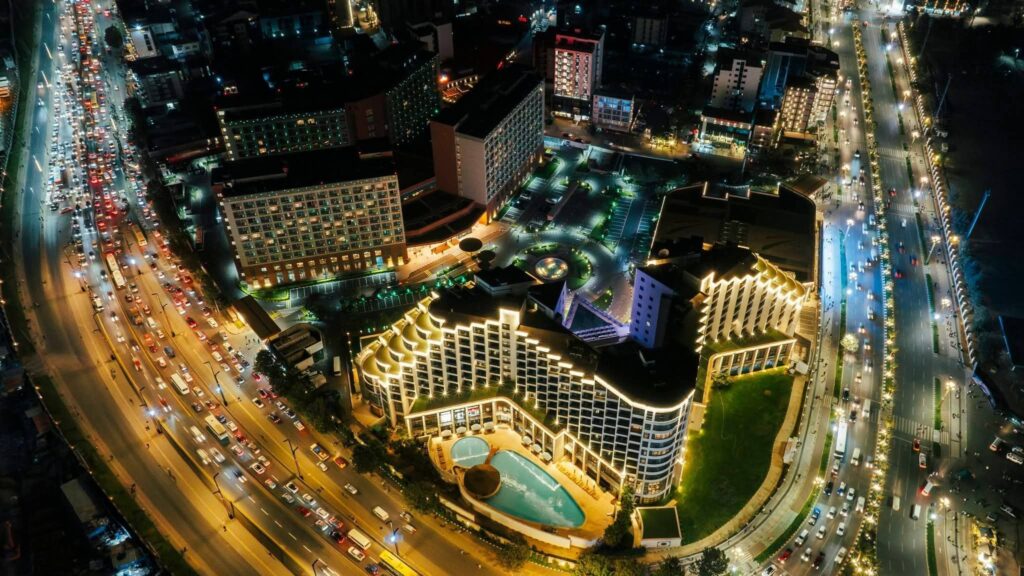
It remains Africa’s diplomatic heartbeat. But it is also becoming a commercial crossroads, a conference capital, and a symbol of Ethiopia’s aspirations.
The skyline tells part of the story. The summits tell another. Together, they point to a city that is not standing still.
Addis Ababa is building its future in real time.
Editor’s Disclaimer:
The views and opinions expressed in articles published by Horn News Hub are those of the authors and do not necessarily reflect the official position or editorial stance of Horn News Hub. Publication does not imply endorsement.