

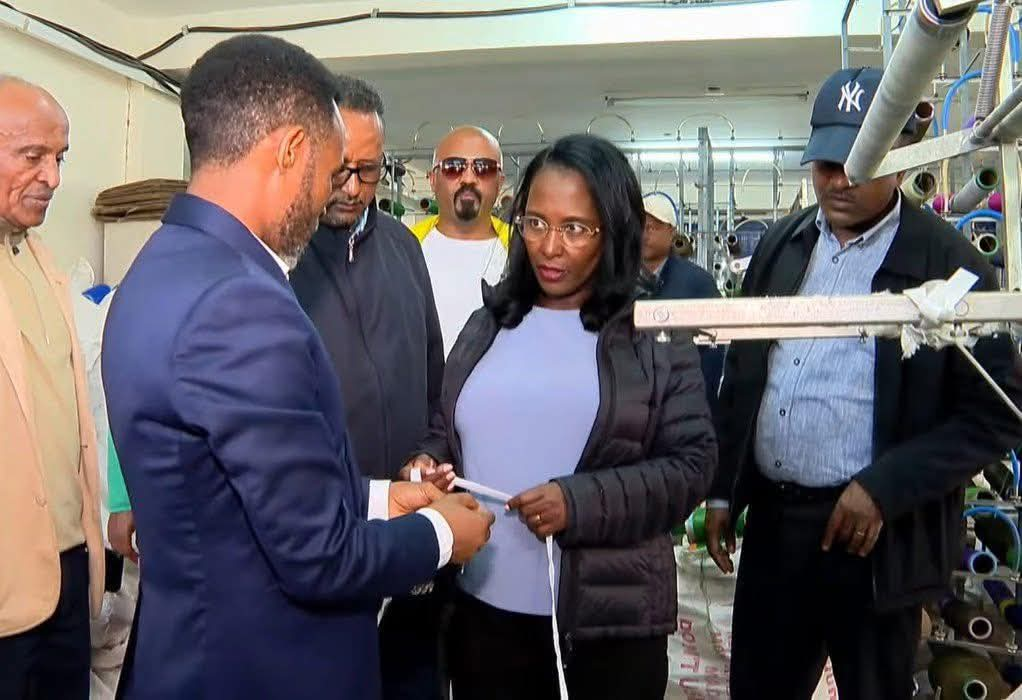
Mayor Adanech Highlights Industrialization Drive as Central to Ethiopia’s Economic Sovereignty
Addis Ababa Mayor Adanech Abiebie has described manufacturing and industrialization as central pillars of Ethiopia’s economic transformation and sovereignty, linking the country’s reform agenda to renewed efforts to strengthen domestic production.
Speaking at the launch of the 2026 “Let Ethiopia Produce” movement in Addis Ababa, the mayor said sustained economic growth is essential to safeguarding national unity and independence. The campaign is being held under the theme “Let Ethiopia Produce, Let Addis Ababa Prosper.”
She warned that heavy reliance on imported goods weakens domestic capacity and limits economic self reliance. Calling for collective action, the mayor urged citizens, institutions and businesses to support local production and reduce dependency on foreign markets.
In a separate interview with Addis Media Network, Mayor Adanech said Ethiopia’s ongoing reforms have laid a solid foundation to address long standing structural bottlenecks in the industrial sector. She explained that the government adopted a clear strategy based on the understanding that industrialization is an inevitable path toward sustainable economic transformation.
According to the mayor, extensive efforts have been made to identify and tackle key constraints that have hindered industrial growth for years. These include gaps in infrastructure, limited access to finance, low productivity and product quality challenges. A comprehensive framework is now being implemented to resolve these issues in a coordinated and lasting manner, she said.
The Addis Ababa City Administration is supporting the manufacturing sector through expanded access to finance, credit facilities and industrial infrastructure. Efforts are also underway to reactivate dormant factories and return idle facilities to production.
The mayor pointed to import substitution initiatives as early signs of progress. Youth led enterprises have begun producing goods previously sourced from abroad, including smart street lighting systems. Such initiatives, she said, demonstrate the potential of domestic innovation when backed by policy support and investment.
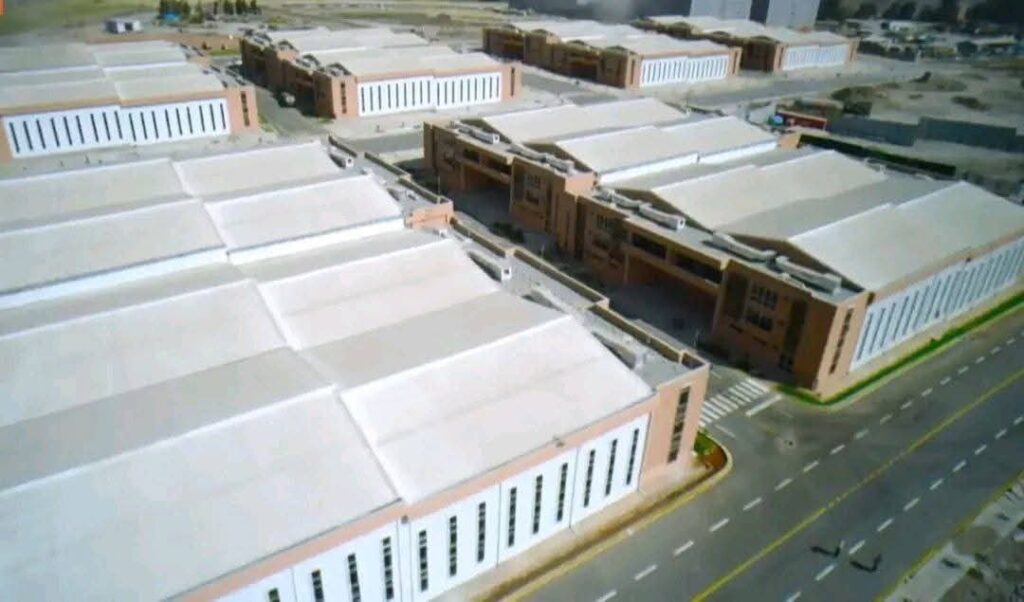
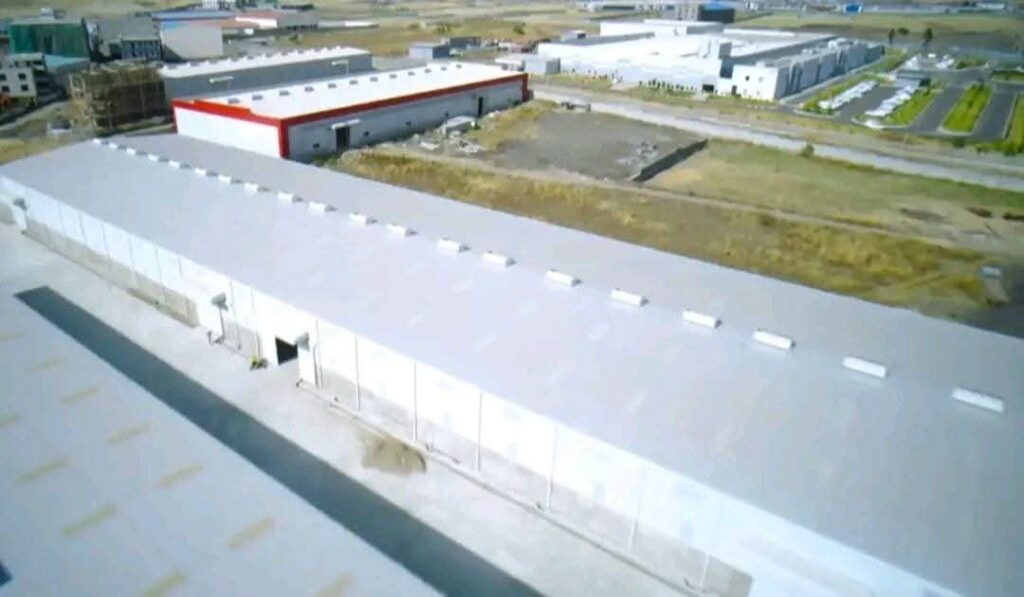
As part of its industrial expansion strategy, the city administration has prepared more than 90 hectares of land for the development of industrial clusters. The first phase has commenced in the Akaki Kaliti sub city, an area that already hosts a significant share of the capital’s manufacturing base.
The launch event was held at the Addis International Convention Center and attended by senior federal and city officials, including Industry Minister Melaku Alebel.
The “Let Ethiopia Produce” movement is scheduled to run for eight days, with activities aimed at promoting domestic production, strengthening investor engagement and reinforcing manufacturing as a cornerstone of Ethiopia’s economic transformation.
Editor’s Disclaimer:
The views and opinions expressed in articles published by Horn News Hub are those of the authors and do not necessarily reflect the official position or editorial stance of Horn News Hub. Publication does not imply endorsement.