
Niin Lee Reflects Abiy’s Reform Agenda
By Chekole Alemu
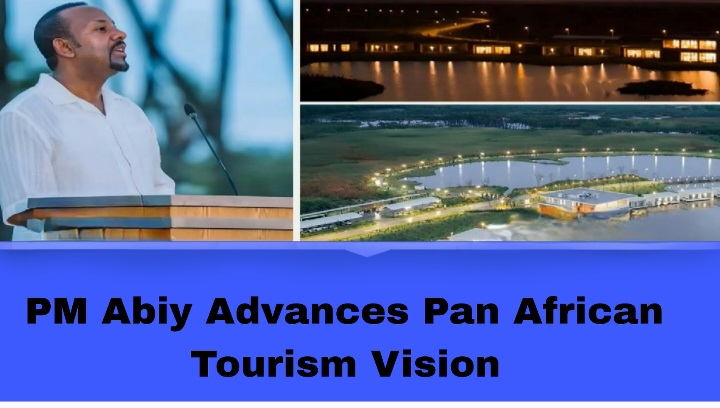
Prime Minister Abiy Ahmed has presented the transformation of Niin Lee as more than a local development success. In his remarks at the inauguration of the Niin Lee Palm Lodge, he framed the project as part of a wider strategy to reposition Ethiopia as a competitive tourism destination in Africa.
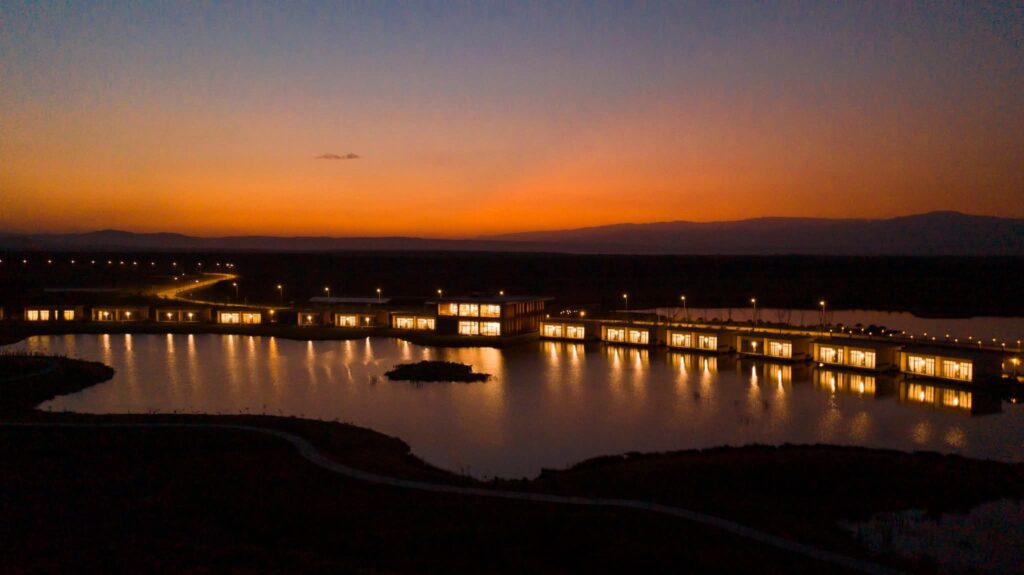
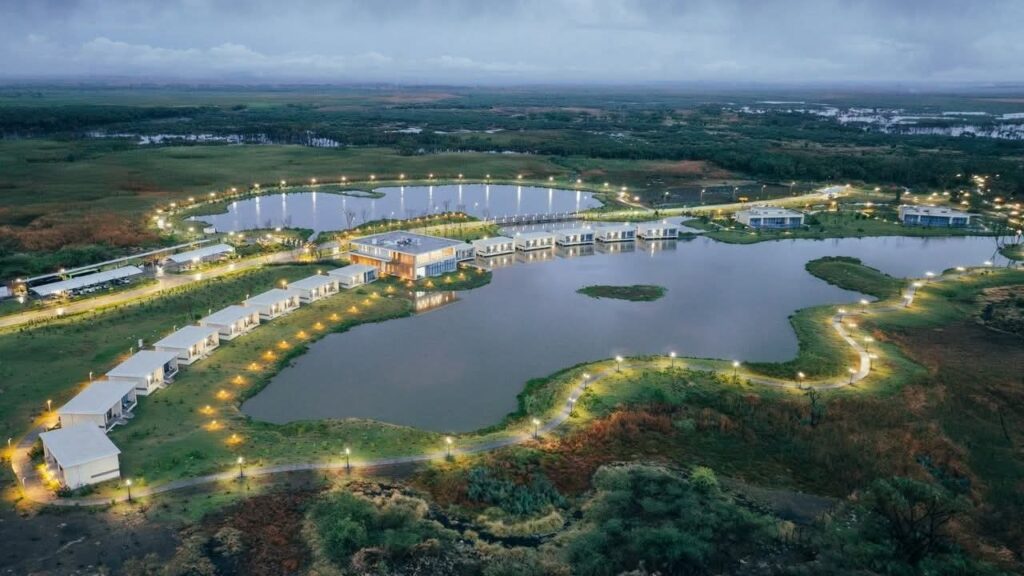
The site, once described by the Prime Minister as remote and difficult to access, now features landscaped palm forests and natural hot springs. Its rapid development reflects a model the government appears keen to replicate elsewhere. Abiy’s comments suggest a shift in policy thinking, where tourism is no longer treated as a secondary sector but as a core pillar of economic diversification.
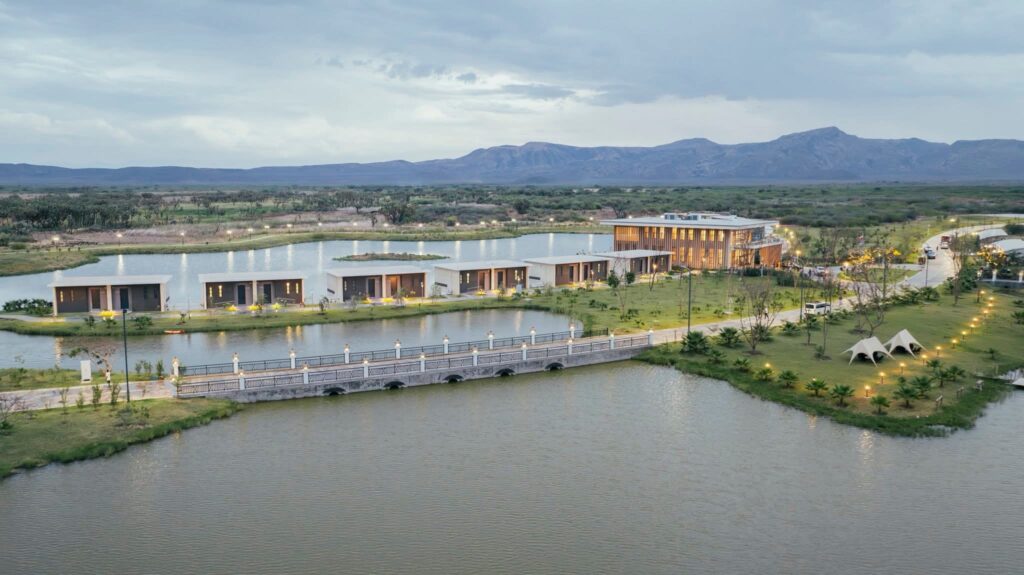
At the center of this effort is the “Dine for Generations” initiative, one of several flagship programs launched under Abiy’s reform agenda. These projects often combine infrastructure investment, environmental rehabilitation, and private sector participation. The involvement of Kuriftu Resorts in managing the Niin Lee facility signals a deliberate move toward public private partnerships, a model the government sees as critical to scaling up tourism capacity and quality.
Abiy’s leadership since 2018 has often been described as reformist, marked by attempts to liberalize parts of the economy, attract foreign investment, and modernize infrastructure. Tourism development fits within this broader agenda. By improving road networks such as the Adama Awash expressway and upgrading destination sites, the government aims to reduce long standing bottlenecks that have limited Ethiopia’s ability to compete with established African tourism markets.
Yet the Prime Minister’s vision extends beyond national economic goals. His emphasis on Ethiopia as a gateway to Africa reflects a pan African outlook that seeks to position the country as a continental hub. This approach aligns with Ethiopia’s diplomatic profile, hosting the headquarters of the African Union and serving as a key player in regional affairs. Expanding tourism is seen as a way to translate that political centrality into economic influence.
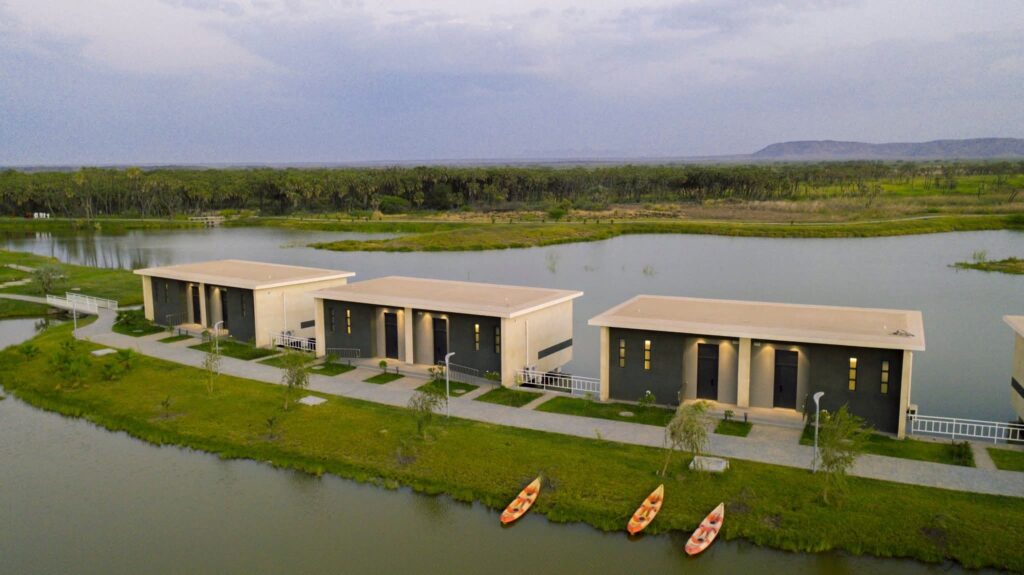
The Niin Lee project illustrates how this vision is being operationalized. By turning previously overlooked areas into accessible destinations, the government hopes to extend tourist stays, diversify attractions, and spread economic benefits beyond traditional urban centers. The focus on natural assets such as hot springs and ecological landscapes also reflects a global shift toward sustainable and experience based tourism.
However, challenges remain. Ethiopia’s tourism sector continues to face structural constraints, including service quality gaps, limited international marketing, and perceptions shaped by periods of political instability. The success of projects like Niin Lee will depend on whether they can be integrated into a broader, consistent national tourism strategy rather than remaining isolated success stories.
Abiy’s call for a forward looking mindset underscores this point. His administration is betting that coordinated action between federal authorities, regional governments, and private investors can unlock Ethiopia’s untapped tourism potential. If sustained, such efforts could gradually reposition the country not only as a historical and cultural destination but also as a modern tourism hub within Africa.
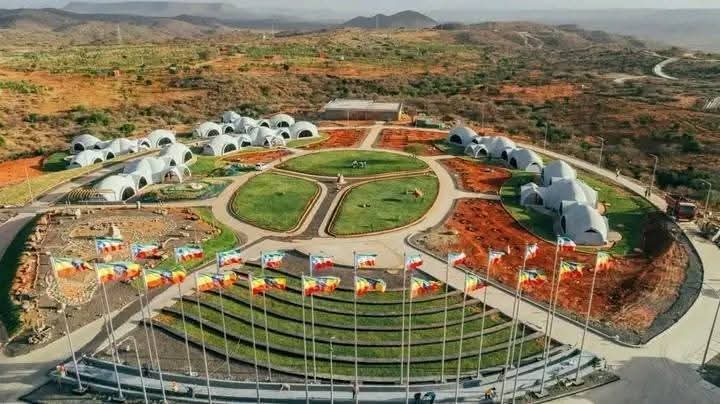
In that sense, Niin Lee serves as both a symbol and a test case. It reflects the ambitions of a leadership seeking to reshape Ethiopia’s global image, while also highlighting the practical challenges of turning vision into lasting economic transformation.
———-
Editor’s Disclaimer:
The views and opinions expressed in articles published by Horn News Hub are those of the authors and do not necessarily reflect the official position or editorial stance of Horn News Hub. Publication does not imply endorsement.