

Mekelle/Tel Aviv/Nairobi/Pretoria/London
Where Music Once Floated: Kebena River, Memory, and the Remaking of Addis Ababa
By Chekole Alemu
Addis Ababa is undergoing one of the most visible urban transformations in its modern history. At the center of this shift are the Kebena and Ginfele riverside development projects, part of a broader effort by the city administration to reclaim neglected natural corridors and turn them into engines of urban renewal, economic activity, and social life.
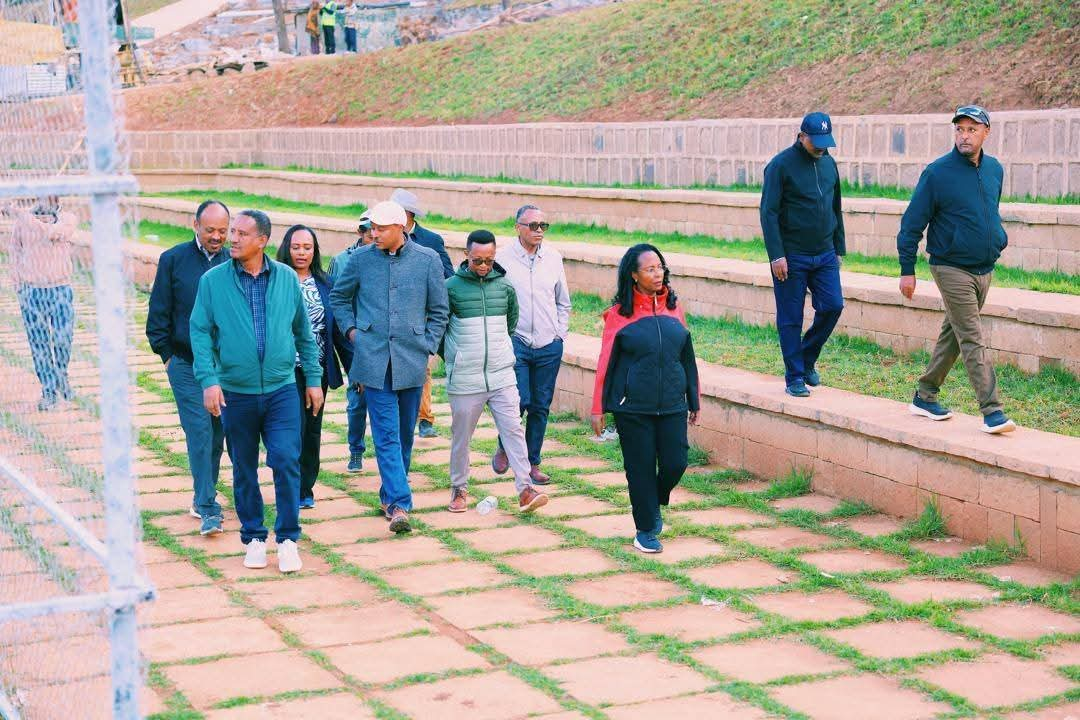
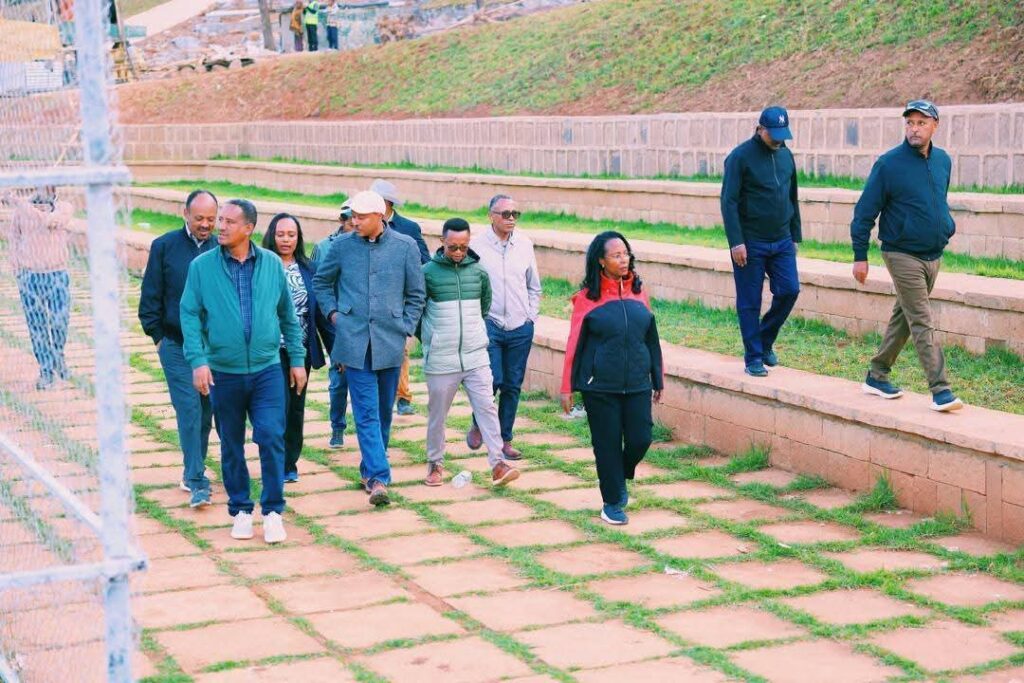
Mayor Adanech Abiebie’s recent review of the projects highlights both the scale of ambition and the governance model shaping today’s Addis Ababa. According to the city administration, eight riverside developments are currently underway, signaling a coordinated strategy rather than isolated beautification efforts. The focus is not only on aesthetics, but on rethinking how the city grows, moves, and presents itself to residents and visitors alike.
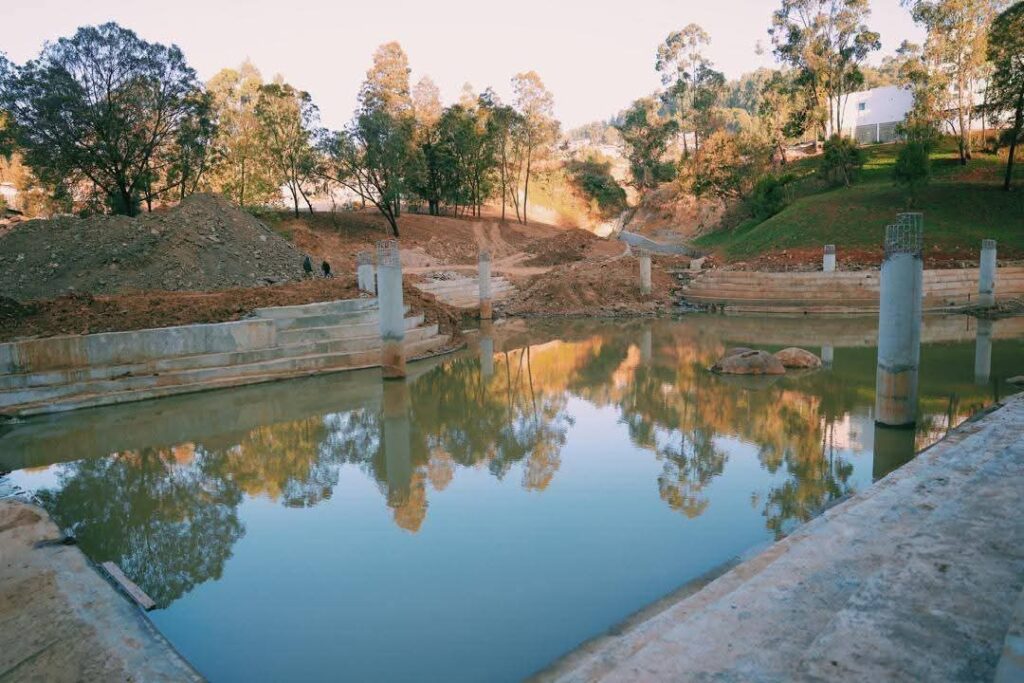
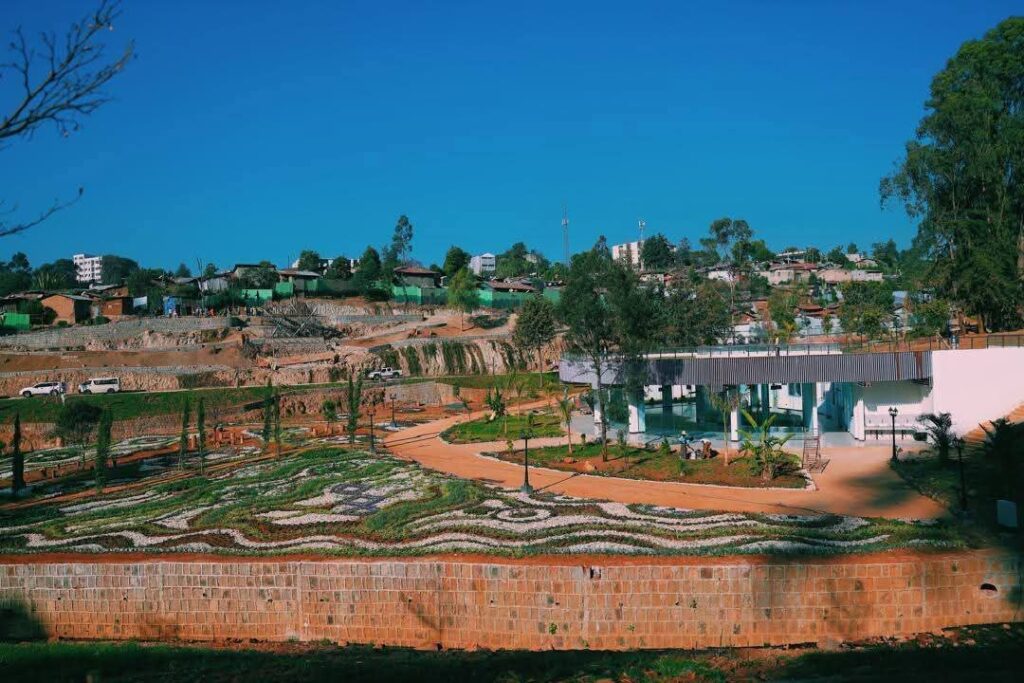
The Kebena River project stands out for its scope and symbolism. Stretching 19 kilometers from Entoto to Karamara Deldey, the development is approaching completion and mirrors the standards set by flagship projects such as Entoto and Peacock Parks. Once polluted and largely abandoned, the river has been rehabilitated with an emphasis on preserving its natural character while integrating modern urban infrastructure. Water channels, bridges, check dams, pedestrian and bicycle lanes, and public recreational spaces now define areas that were previously inaccessible or unsafe.
This approach reflects a broader shift in Addis Ababa’s urban governance. Rather than expanding outward in an unplanned manner, the administration is investing in inner city regeneration. Riverside corridors, long treated as backyards or dumping grounds, are being repositioned as public assets. This has implications for public health, climate resilience, and social cohesion, particularly in a city grappling with rapid population growth and environmental stress.
Economically, the riverside projects are already reshaping investment patterns. Mayor Adanech has openly framed them as catalysts for private sector participation, especially in real estate, hospitality, and leisure industries. Cafés, restaurants, sports facilities, and well designed public spaces create conditions that attract both domestic and international investors. More importantly, they diversify Addis Ababa’s economic base beyond administration and commerce, strengthening its position as a regional tourism hub.
The governance dimension is equally significant. Large scale urban projects in Ethiopia have often struggled with coordination, public trust, and sustainability. In this case, the city administration has emphasized collaboration among contractors, experts, public enterprises, and local communities. The Mayor’s public acknowledgment of these actors signals an attempt to frame the projects as collective achievements rather than top down impositions. Whether this model can be sustained across future developments will be a key test of the administration’s credibility.
Beyond policy and economics, the Kebena River carries deep cultural meaning for Addis Ababa’s residents. The river is embedded in the city’s memory, immortalized in music and storytelling. Legendary musician Tsehaye Yohannes famously sang about Kebena, recalling childhood days spent swimming along its banks.
For many residents, the river represents a personal and emotional link to a simpler Addis Ababa. Its transformation into a modern riverside corridor therefore carries symbolic weight. It suggests that development does not have to erase memory, but can reinterpret it within a contemporary urban context.
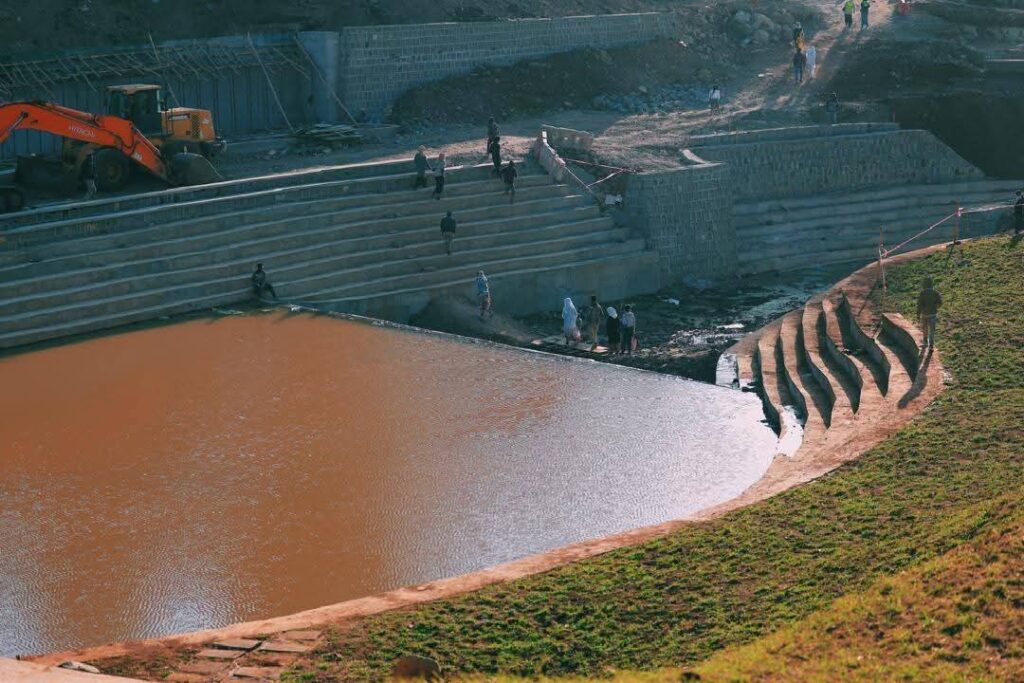
Critically, riverside development remains a new concept in Ethiopia, and its long term success will depend on maintenance, inclusive access, and environmental stewardship. Clean rivers today can quickly deteriorate without strong institutional follow through. Public spaces can also become exclusive if affordability and accessibility are not protected. These are challenges the city administration will need to address as the projects transition from construction to daily use.
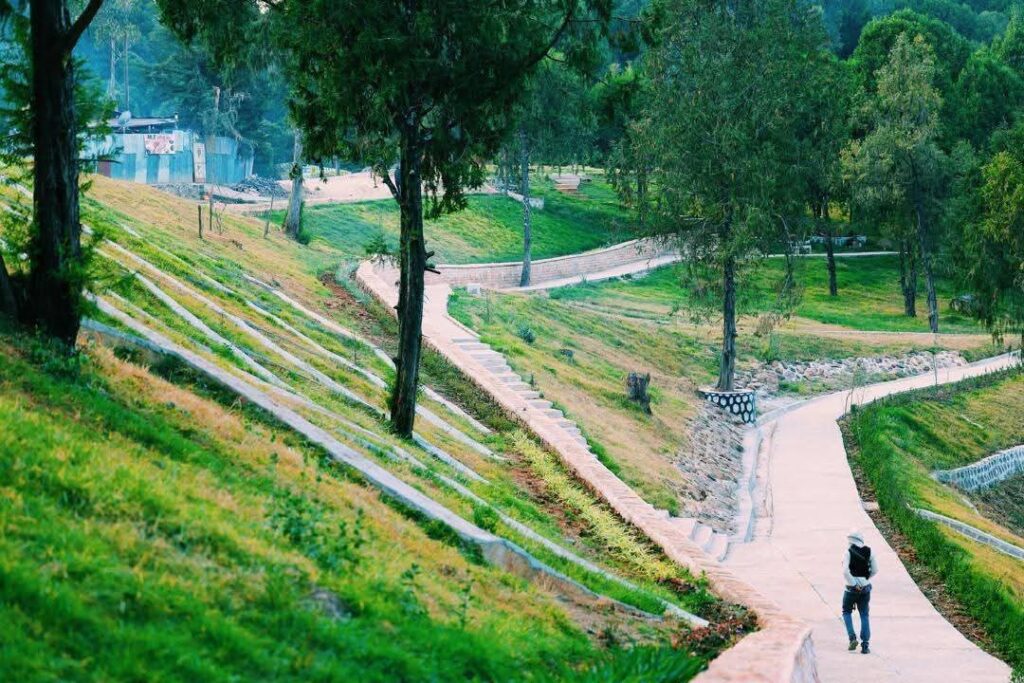
Still, the direction is clear. Under Mayor Adanech Abiebie’s leadership, Addis Ababa is attempting to redefine itself through deliberate urban design, visible governance, and strategic economic positioning. The riverside projects are not just about landscaping. They are about asserting a vision of Addis Ababa as a livable, investable, and culturally grounded African capital.

If sustained, the revival of Kebena, Ginfele, and other rivers could mark a turning point. Not only in how the city looks, but in how it understands its relationship with nature, history, and growth. For a capital long defined by congestion and neglect in key areas, the riverside transformation offers a rare narrative of recovery and possibility.
----------Editor’s Disclaimer:
The views and opinions expressed in articles published by Horn News Hub are those of the authors and do not necessarily reflect the official position or editorial stance of Horn News Hub. Publication does not imply endorsement.