
Mekelle/Tel Aviv/Nairobi/Pretoria/London
The Forgotten Horror of Western Tigray: A Crisis of Starvation, Famine, and Political Manipulation
Introduction
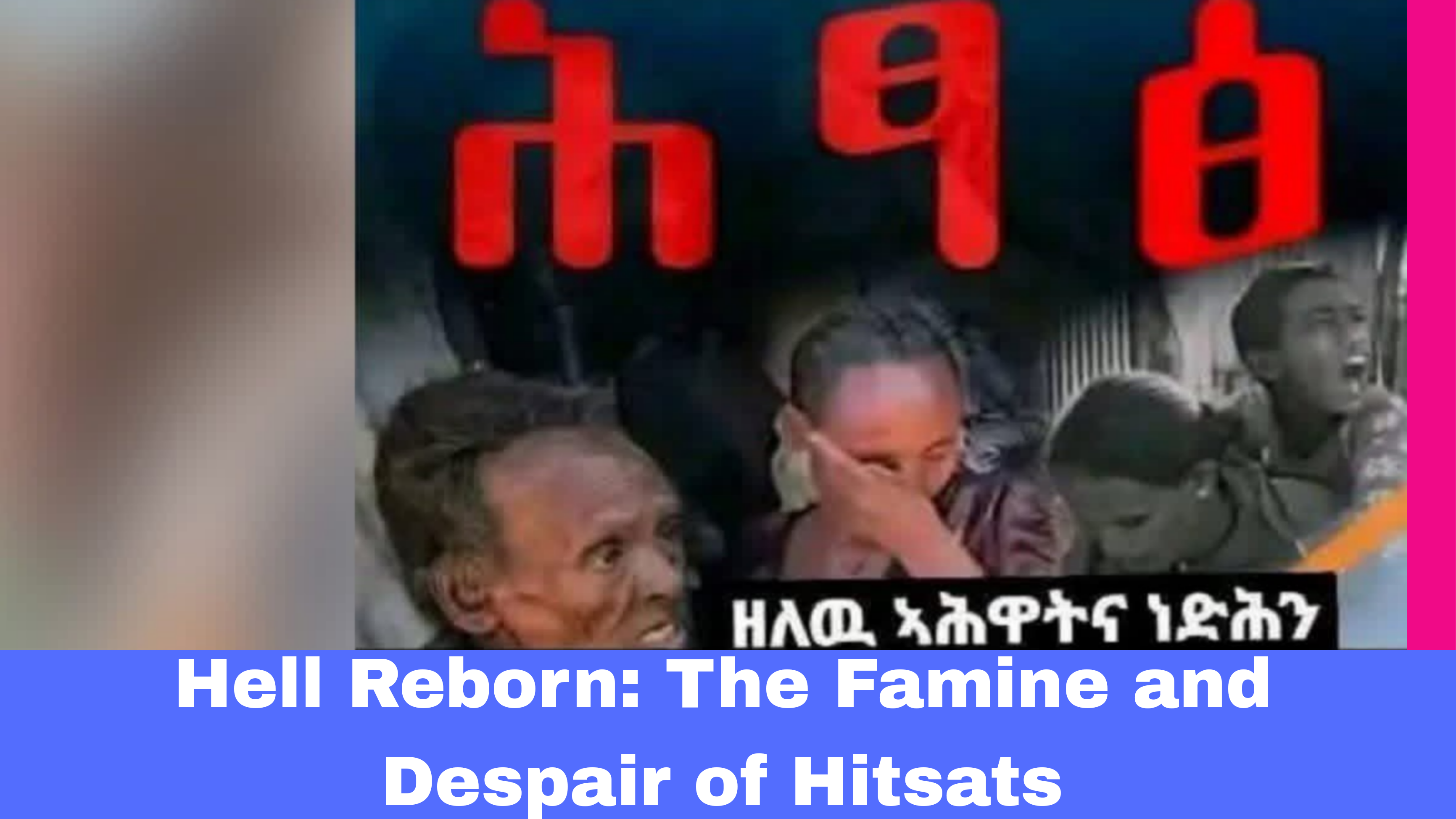
Tigray has already experienced what many have called “hell on earth” due to the two years of devastating conflict and its catastrophic humanitarian consequences. Cities and towns across the region were decimated, countless lives lost, and millions displaced. Yet, amid this vast suffering, there is another hell within Tigray, one that remains largely forgotten by the international community the Hitsats IDP camp near Shire in Northwestern Tigray. Here, tens of thousands of internally displaced persons (IDPs), many of whom fled their homes to escape the war, now find themselves trapped in a cruel, ongoing disaster of starvation, disease, and human suffering.
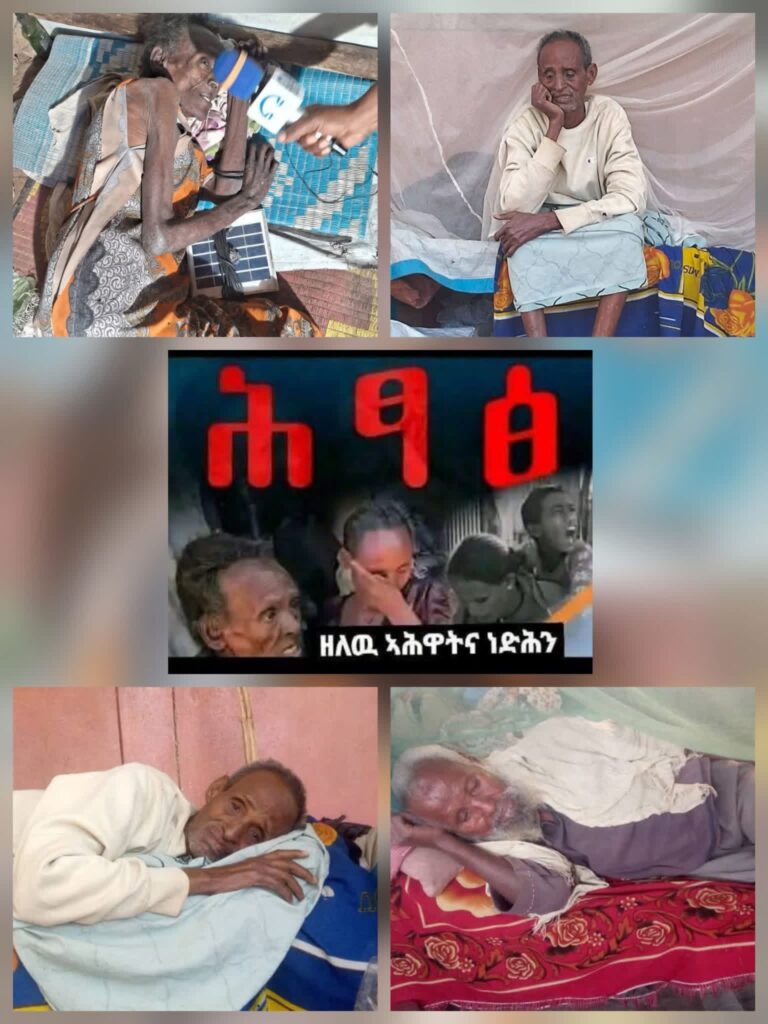
This crisis, a direct consequence of the war and its aftermath, is further exacerbated by the political machinations of the Tigray People’s Liberation Front (TPLF). Allegations of corruption, resource mismanagement, and military profiteering point to a region where the very people who survived bullets are now dying from hunger. The Hitsats camp stands as a tragic symbol of the ongoing neglect and political manipulation that continues to ravage Tigray.
Famine as a Political Weapon in Hitsats
The IDPs in Western Tigray many of whom fled their homes due to the violence and instability of the war are now caught in another nightmare: famine. Despite the availability of humanitarian aid, these people are starving, and this suffering, according to several sources, is not simply the result of a lack of resources but is instead being deliberately exacerbated by the TPLF’s political strategies.
In this area, where IDPs are trapped by famine, the TPLF has reportedly extracted 250 billion birr from gold mining operations, while the region’s annual budget is a mere 12 billion birr. These immense sums have allegedly been diverted to fund military operations and enrich political elites, while the people of Tigray particularly those in the Hitsats camp suffer without food, water, or medical care. The contrast between the riches of the TPLF and the desperate conditions of the people in Hitsats paints a stark picture of the political exploitation taking place in this forgotten corner of the region.
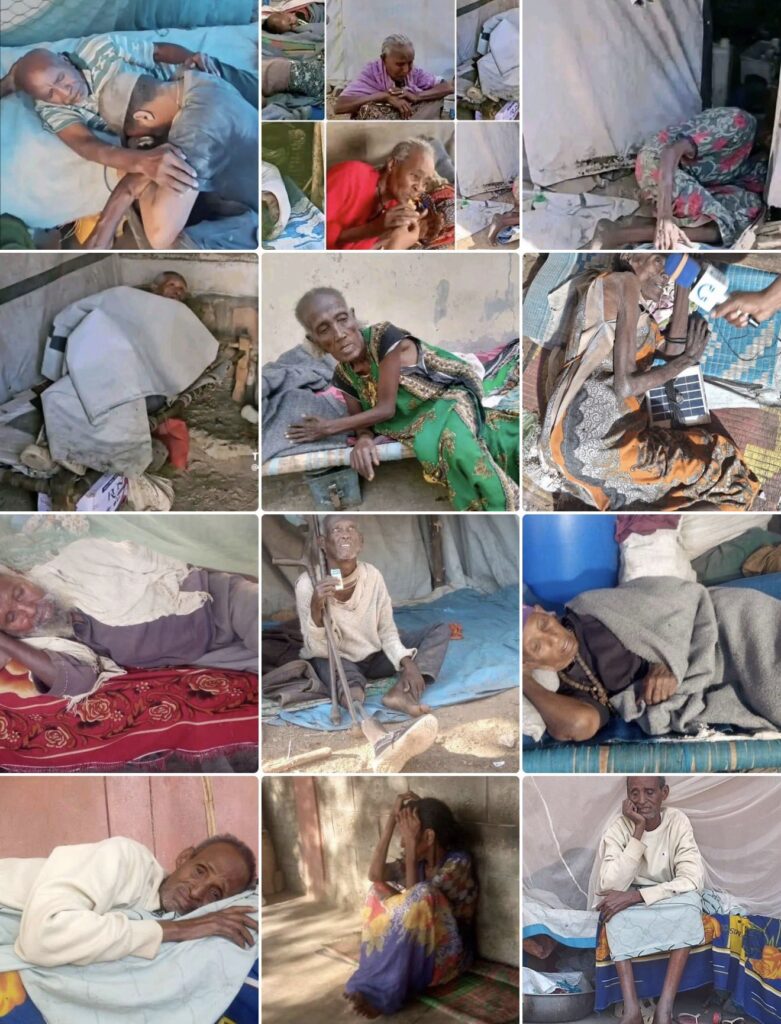
In the northwestern part of Tigray, where Hitsats is located, over 16,000 IDPs are living in makeshift shelters under appalling conditions, with reports indicating that many are disappearing due to starvation. These camps have become a hell of their own, where those who survived bullets are now dying from hunger. The TPLF’s focus on military training and recruitment, rather than addressing the humanitarian crisis, only deepens the suffering in these camps.
A Call for Immediate Action
The situation in Hitsats has become increasingly dire, with reports indicating that over 50 people have died from hunger and lack of medical care since July. As the international community has been slow to respond, local leaders have taken action. President Tadese Worede has established a special committee aimed at providing immediate relief to the IDPs in Hitsats. This committee’s goal is to ensure the swift delivery of aid, improve conditions in the camp, and hold accountable those responsible for the resource mismanagement that has worsened the crisis. However, it remains uncertain whether these efforts will be enough to stem the tide of suffering and prevent further loss of life.
The international community must also play a role in addressing this humanitarian catastrophe. Reports from humanitarian organizations, such as the World Food Programme (WFP), have highlighted how aid is being stolen by TPLF-affiliated forces, further exacerbating the famine. These actions ranging from the diversion of food rations to the hoarding of wealth by political elites must be condemned, and urgent action is needed to ensure that aid reaches those in need.
The International Response
The global response to this crisis has been largely inadequate. Humanitarian organizations have struggled to meet the growing needs of the population, and the lack of accountability for the diversion of resources remains a significant barrier to relief efforts. While some diplomatic pressure has been placed on the Ethiopian government and the TPLF to comply with the Pretoria Peace Agreement, the international community has largely failed to address the dire situation in camps like Hitsats.
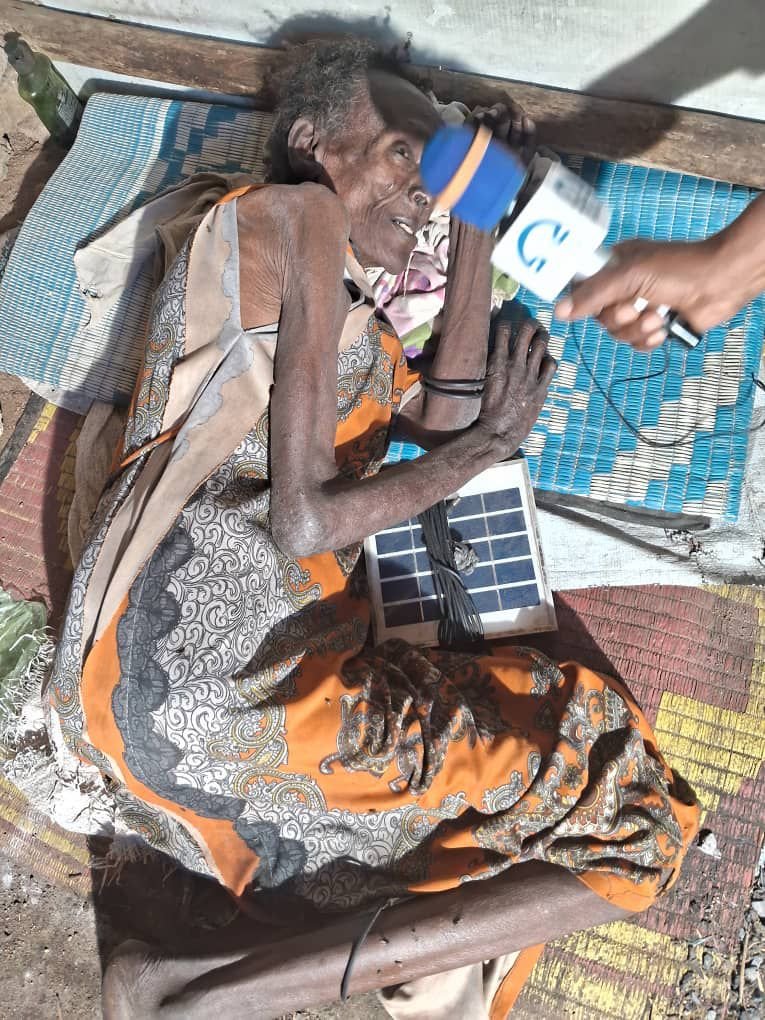
For the people of Tigray, particularly those trapped in the camp, the suffering is not just the result of war but also of deliberate political and military manipulation. The TPLF’s actions have transformed this region into a place of constant suffering, where human life is valued less than political survival.
Conclusion
The situation in Hitsats, a forgotten hell within the broader tragedy of Tigray, serves as a reminder of the continuing suffering that is often overlooked in international discussions about the region. The war may have officially ended, but the humanitarian crisis, fueled by political manipulation, corruption, and military profiteering, continues unabated. The people of Tigray particularly those in the IDP camps are being punished not only for their displacement but for their political alignment.
President Tadese Worede’s establishment of a special committee to address the crisis in Hitsats is a step in the right direction, but the international community must do more.
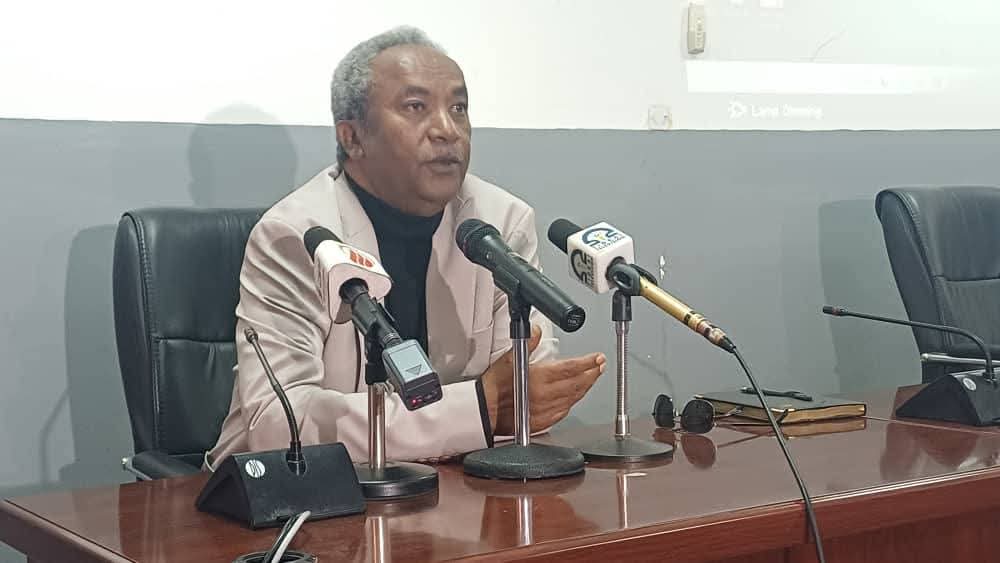
The global community must demand accountability, provide immediate aid, and ensure that the TPLF and its allies are held responsible for the suffering they have caused. Until these actions are taken, the people of Tigray will continue to endure a hell of their own making, one where starvation, disease, and human neglect are their constant companions.
Key Takeaways:
The Hitsats IDP camp in Western Tigray has become a symbol of the ongoing humanitarian crisis, where thousands of people are dying from starvation and preventable diseases.
The TPLF has been accused of deliberately exacerbating the famine by hoarding resources and diverting funds to military operations, while IDPs in camps like Hitsats suffer.
President Tadese Worede has established a committee to respond to the famine in Hitsats, but the situation remains dire.
The international community has been slow to respond, and urgent action is needed to provide aid and hold the TPLF accountable for its actions.
The people of Tigray are caught in a political crisis that continues to punish them for their displacement, while political elites prioritize their own survival over the well-being of the population.
Editor’s Disclaimer:
The views and opinions expressed in articles published by Horn News Hub are those of the authors and do not necessarily reflect the official position or editorial stance of Horn News Hub. Publication does not imply endorsement.