
Mekelle/Tel Aviv/Nairobi/Pretoria/London
By Chekole Alemu
Addis Ababa’s transformation is increasingly attracting attention beyond Ethiopia’s borders, reinforcing the city’s growing profile as one of Africa’s most dynamic capitals. The latest endorsement comes from Ghana, where a Member of Parliament has publicly praised the Ethiopian capital’s steady and visible development, describing it as a model worthy of closer study across the continent.

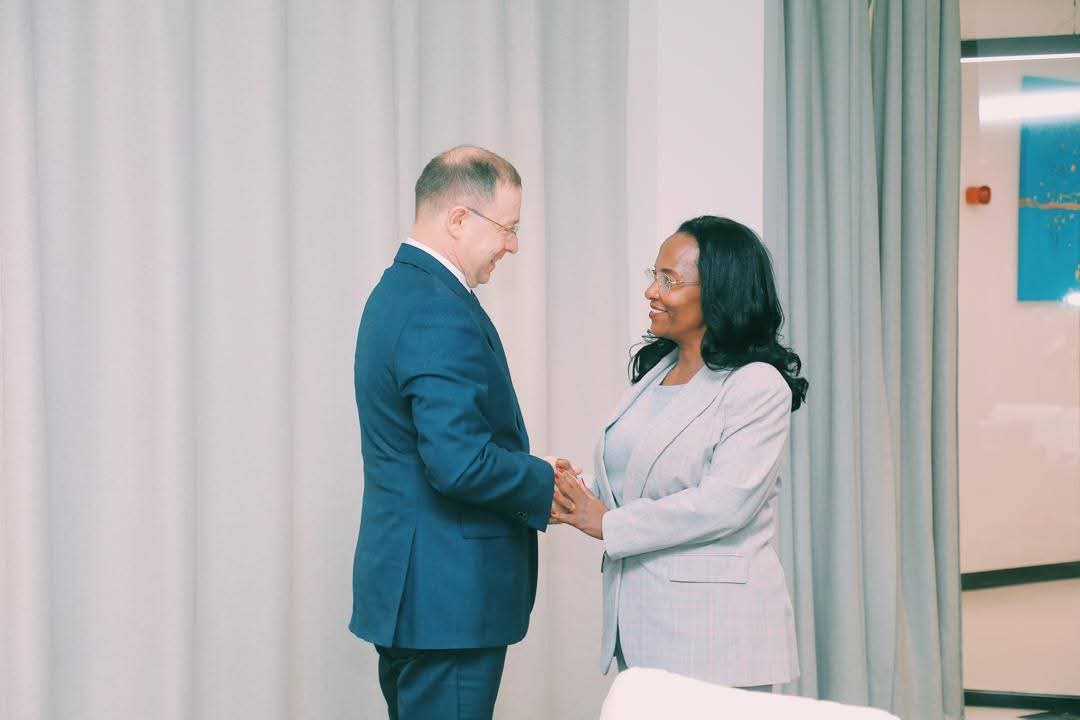
Hajia Zuwera Mohammed, a Member of the Parliament of Ghana, recently visited Addis Ababa and shared her observations during a parliamentary session in Accra. Her remarks, widely reported and circulated on social media, reflect how Ethiopia’s capital is translating long-term urban ambitions into tangible results.
“I recently went to Addis Ababa, and as I traveled by car from the hotel where I stayed to the African Union headquarters, I was able to see for myself the remarkably impressive development the city is undergoing,” Hajia Zuwera Mohammed told Parliament.
She concluded her address by urging fellow parliamentarians and citizens to learn from Ethiopia’s experience in modernizing cities and making them more livable and attractive for residents and visitors alike.
A Capital of Continental Significance
Addis Ababa occupies a unique position globally. It is widely regarded as the political capital of Africa, home to the African Union and numerous international organizations, and recognized as the world’s third-largest diplomatic hub after New York and Geneva. This status has long placed the city at the heart of African diplomacy, but in recent years, deliberate efforts have been made to ensure that its urban landscape reflects its international standing.

Large-scale infrastructure projects, road expansions, upgraded transport corridors, and pedestrian-friendly developments have reshaped mobility across the city. Public spaces have been rehabilitated, and urban renewal initiatives have improved both functionality and aesthetics. These changes are not merely symbolic; they are designed to ease congestion, stimulate economic activity, and enhance daily life in a rapidly expanding metropolis.
Economic Momentum and Commercial Growth
Addis Ababa’s urban transformation is closely tied to Ethiopia’s broader economic trajectory. As the country positions itself as a regional economic hub, the capital has become a focal point for investment, services, and commerce. New hotels, conference facilities, and mixed-use developments continue to emerge, strengthening the city’s appeal as a destination for diplomacy, business, and international events.

One of the most visible indicators of this momentum is the rapid construction of modern shopping malls and commercial centers. These developments are reshaping consumer culture, creating employment opportunities, and attracting both domestic and international brands. Alongside retail expansion, sectors such as aviation, hospitality, finance, and professional services are reinforcing Addis Ababa’s role as a gateway city for Africa, supported by the global reach of Ethiopian Airlines.
Governance, Livability, and Sustainable Urban Planning
Beyond infrastructure and commerce, Addis Ababa’s recent progress reflects a growing emphasis on governance and livability. Urban beautification programs, green spaces, river rehabilitation projects, and improved municipal services signal a shift toward more sustainable and people-centered city planning. While challenges remain particularly those associated with rapid population growth the direction of reform is increasingly clear and coordinated.

Hajia Zuwera Mohammed’s testimony is significant in this context. Delivered in a formal parliamentary setting, her remarks represent peer recognition from within Africa, highlighting Addis Ababa as a case study in how sustained political commitment and strategic planning can reshape a capital city.
Leadership Behind the Transformation
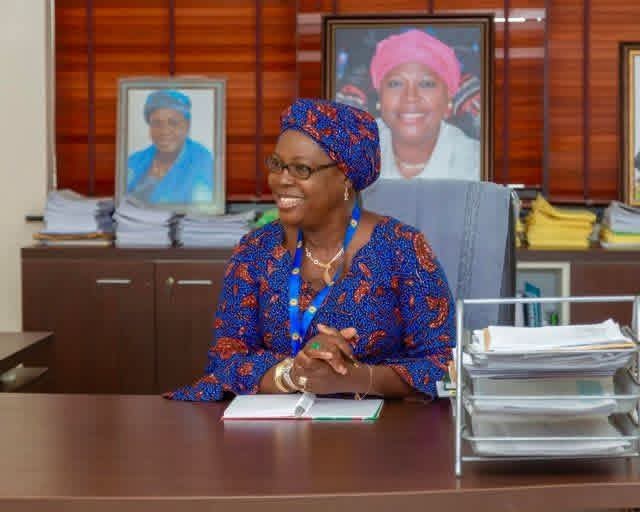
At the core of Addis Ababa’s ongoing transformation is the leadership of Mayor Adanech Abiebie. Her administration has played a central role in turning vision into action through firm governance, coordinated planning, and an emphasis on long-term urban development. Major infrastructure upgrades, urban renewal projects, improved public services, and the expansion of commercial and public spaces reflect deliberate policy choices rather than isolated initiatives.

Under Mayor Adanech Abiebie’s leadership, Addis Ababa’s development agenda has moved beyond short-term fixes toward structural change. The rapid emergence of modern business districts, newly built malls, rehabilitated roads, and green corridors underscores a results-driven approach focused on sustainability and inclusivity.
The growing international recognition from diplomats, investors, tourists, and visiting parliamentarians such as Hajia Zuwera Mohammed demonstrates how effective urban leadership can elevate a city’s global standing. Addis Ababa’s role as Africa’s diplomatic capital is now increasingly matched by visible transformation on the ground.
A City Drawing Global Attention
As Addis Ababa continues to evolve, global and continental voices are taking notice. The city still faces pressures common to fast-growing African capitals, including housing demand and infrastructure strain. Yet the prevailing narrative is shifting from a city struggling to keep pace with its status, to one actively reshaping itself to meet regional and global expectations.

The testimony from Ghana’s Parliament stands as a powerful affirmation of Addis Ababa’s progress. It reflects not only admiration for physical development, but recognition of leadership, governance, and vision driving what many now describe as an urban miracle in the making positioning Addis Ababa as both a symbol of African unity and a model for modern urban development across the continent.
Editor’s Disclaimer:
The views and opinions expressed in articles published by Horn News Hub are those of the authors and do not necessarily reflect the official position or editorial stance of Horn News Hub. Publication does not imply endorsement.