
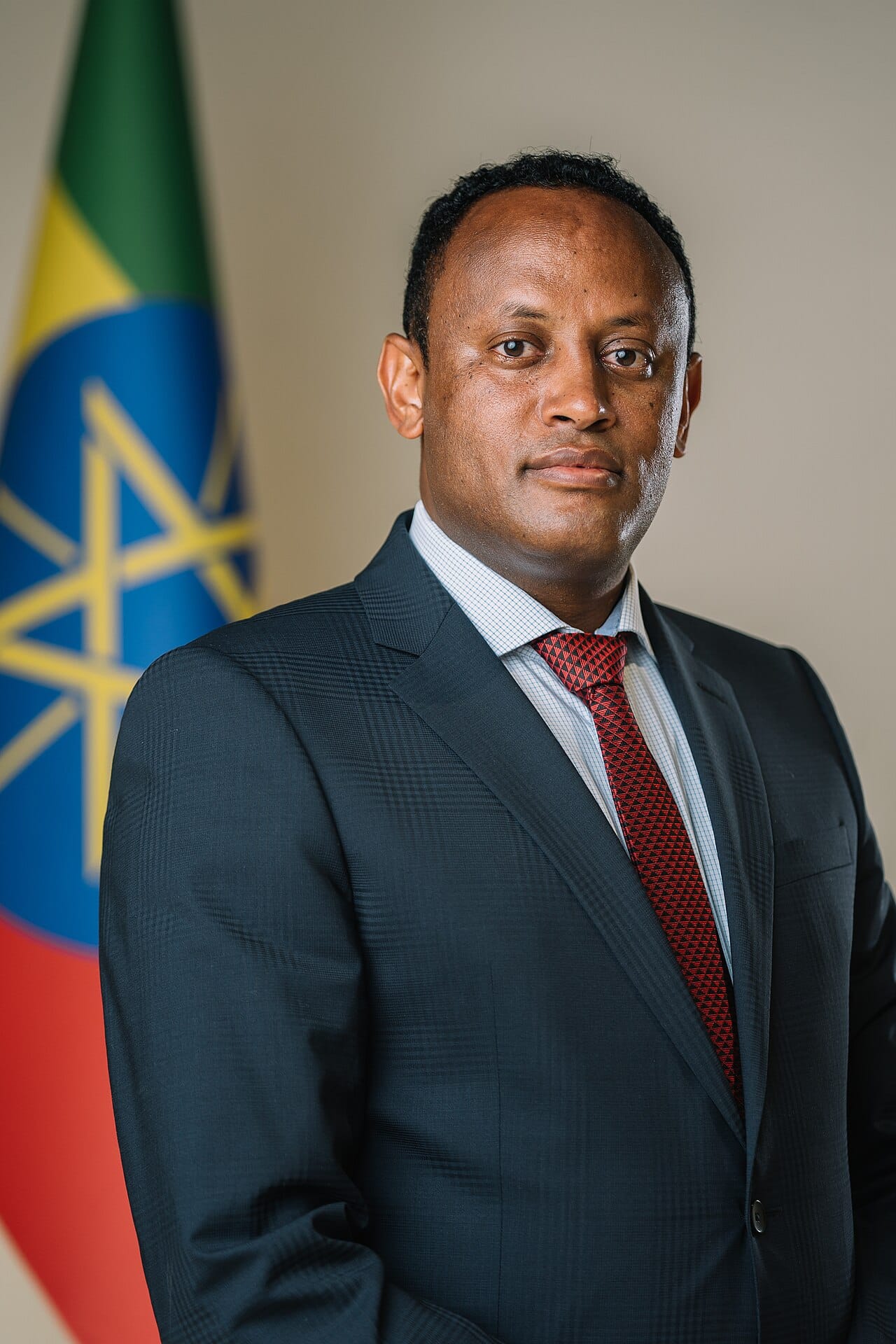
Dr. Abraham Belay
A Tigrayan statesman, a generational shift, and the debate over Tigray’s political future
Abraham Belay (PhD) has emerged as a distinctive political figure in contemporary Ethiopian politics. A Tigrayan by identity and background, he is widely viewed as part of a generation seeking to distance itself from entrenched patronage systems and the militarized political culture that has long shaped Tigray’s governance landscape.
Since 2024, Dr. Belay has served as Ethiopia’s Minister of Irrigation and Lowland Areas Development. He previously held the post of Minister of Defense in 2021. Earlier appointments included Minister of Innovation and Technology and President of the Tigray regional branch of the Prosperity Party. These roles placed him at a sensitive intersection between federal institutions and regional political reform.
Observers describe his political posture as measured and institution focused. Supporters argue that he represents a generational departure from political traditions that equated armed struggle with governance legitimacy. Critics, particularly within the Tigray People’s Liberation Front, question both his alignment and his reformist framing. What is clear is that his profile has become increasingly influential within debates about Tigray’s political direction.
Principle as Political Method
Political analysts often describe Dr. Belay’s approach as consistent under pressure. During periods marked by ideological polarization, factional rivalry, and public criticism, he has maintained a position centered on institutional processes, legal frameworks, and dialogue.
Recommended News
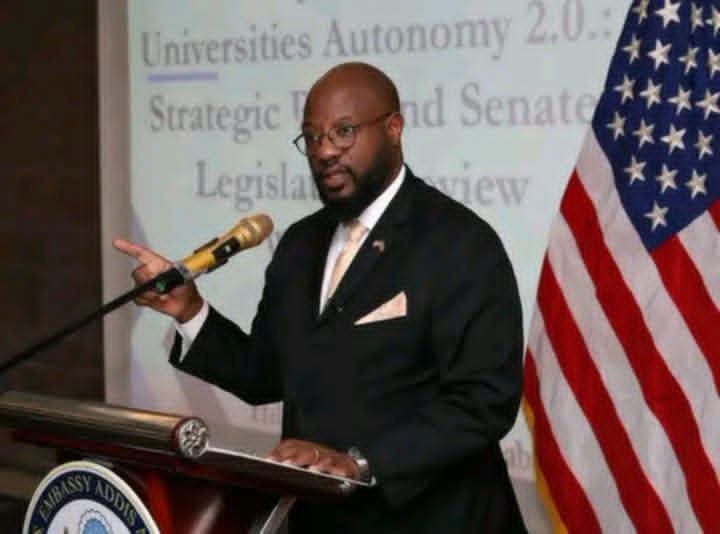
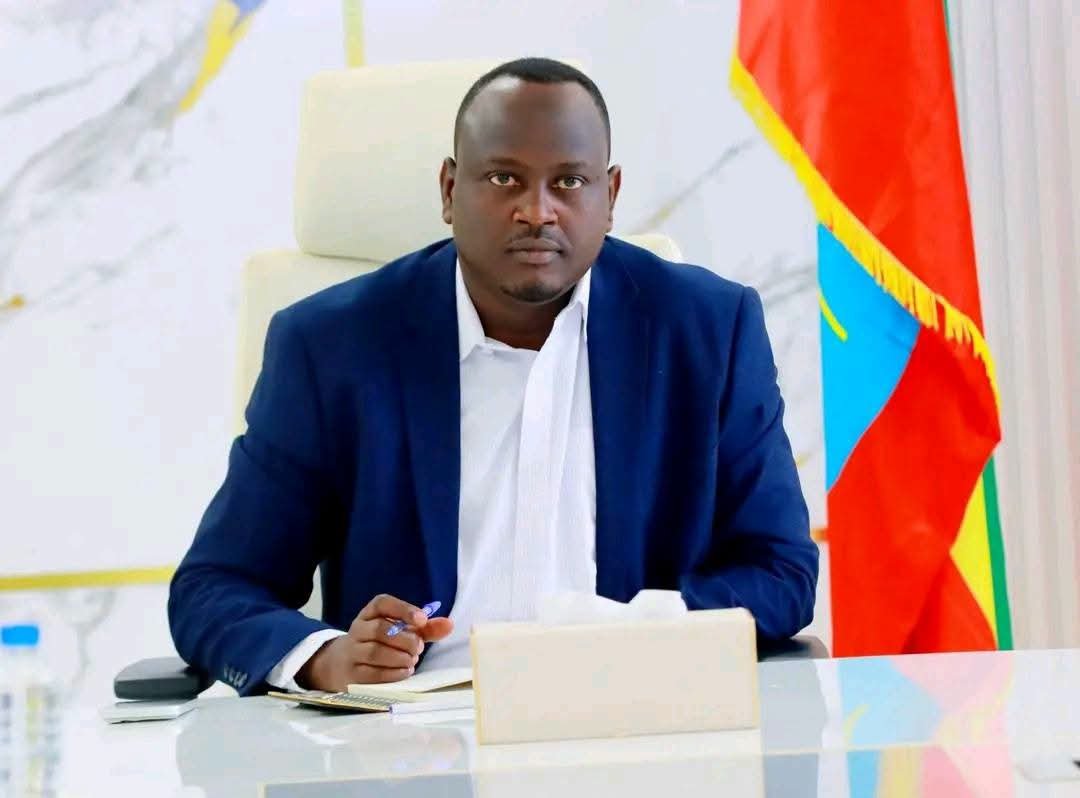
His record suggests a preference for statecraft grounded in formal institutions rather than personality driven politics. At the same time, he has avoided overt populism or confrontational rhetoric. Supporters characterize this as strategic restraint. Opponents see it as alignment with federal priorities.
Despite tensions with hardline actors, he has publicly maintained that Tigray’s core interests must be protected through structured engagement rather than isolation.
Political Tensions with the TPLF
Tensions between Dr. Belay and the Tigray People’s Liberation Front have become a defining feature of his political trajectory. Analysts describe the dispute as structural rather than personal.
His positions reflect several departures from the TPLF’s historical governance model. He has expressed opposition to patrimonial political systems and emphasized accountability and broader participation. He has also advocated leadership renewal and greater youth engagement, themes that challenge established hierarchies rooted in the legacy of armed struggle.
In addition, Dr. Belay rejected what some observers describe as informal convergence between elements of the TPLF and the Eritrean ruling party, the People’s Front for Democracy and Justice. He has consistently supported full implementation of the Pretoria Peace Agreement, arguing that it remains the most viable framework for stabilization and reconstruction.
For critics within the TPLF’s old guard, these positions represent a significant ideological break. For supporters, they signal an attempt to redefine Tigrayan politics for a post war era.
Peace, Diplomacy, and the National Interest of Tigray
At the center of Dr. Belay’s political outlook is the argument that Tigray’s long term survival depends on peace, diplomacy, and institutional rebuilding rather than continued militarized confrontation.
He has emphasized engagement with federal authorities, political dialogue, and restoration of administrative capacity. Development, education, and technological modernization feature prominently in his public statements. Analysts describe this framework as post conflict realism, reflecting an assessment that war fatigue and institutional collapse demand a different strategy.
This approach remains contested in a region where unresolved grievances and security concerns continue to shape public debate.
Tigray in Historical Context
In media interviews, Dr. Belay has underscored Tigray’s historical role in the formation of Ethiopian statehood. Historians widely recognize the region as the center of the ancient Kingdom of Aksum, which contributed to the development of early Ethiopian political structures, the Geʽez language tradition, and the early adoption of Christianity.
The city of Aksum remains symbolically important to the Ethiopian Orthodox Tewahedo Church and to Ethiopian historical identity more broadly. Tigrayan leaders have also played significant roles in defending Ethiopian sovereignty during periods of foreign intervention, including under Emperor Yohannes IV.
By situating Tigray within this longer historical arc, Dr. Belay frames contemporary political reform as part of a broader continuity rather than a rupture with identity.
A Re Emerging Political Horizon
Dr.Abreham Belay’s stated vision centers on institutional accountability, freedom of expression, democratic education, and reconciliation within Tigray. He has argued that rebuilding trust between the region and the federal state must occur through legal frameworks and negotiated engagement rather than force.
This perspective aligns with broader debates over how post conflict societies transition from militarized politics to civilian governance. Whether this approach gains wider acceptance within Tigray remains uncertain, but it has clearly reshaped political discourse.
Conclusion
Dr. Abraham Belay’s political trajectory reflects a broader transition underway in Tigray’s public life. Positioned between a legacy of armed struggle and the demands of post war reconstruction, he has articulated a vision grounded in institutional reform, negotiated peace, and long term state building.
Supporters argue that he has maintained this position without abandoning what they describe as the ultimate aspirations of the Tigrayan people. They contend that his strategy seeks to secure those goals through stability, diplomacy, and lawful engagement rather than renewed confrontation.
Within this context, many observers suggest that Tigray’s younger generation faces a defining choice. As the demographic majority and the primary stakeholders in the region’s future, their political engagement will shape whether reformist, institution centered leadership gains momentum. For advocates of Dr. Belay’s approach, sustained youth support is seen as essential to advancing a political culture that prioritizes continuity of purpose while avoiding the cycles of militarized rupture that have marked the past.
Prepared by
Horn of Africa Geopolitical Review (HAGR)
Independent Regional and International Geostrategy | Security, Military and Diplomatic Analysis with collaboration of Horn News Hub
Editor’s Disclaimer:
The views and opinions expressed in articles published by Horn News Hub are those of the authors and do not necessarily reflect the official position or editorial stance of Horn News Hub. Publication does not imply endorsement.