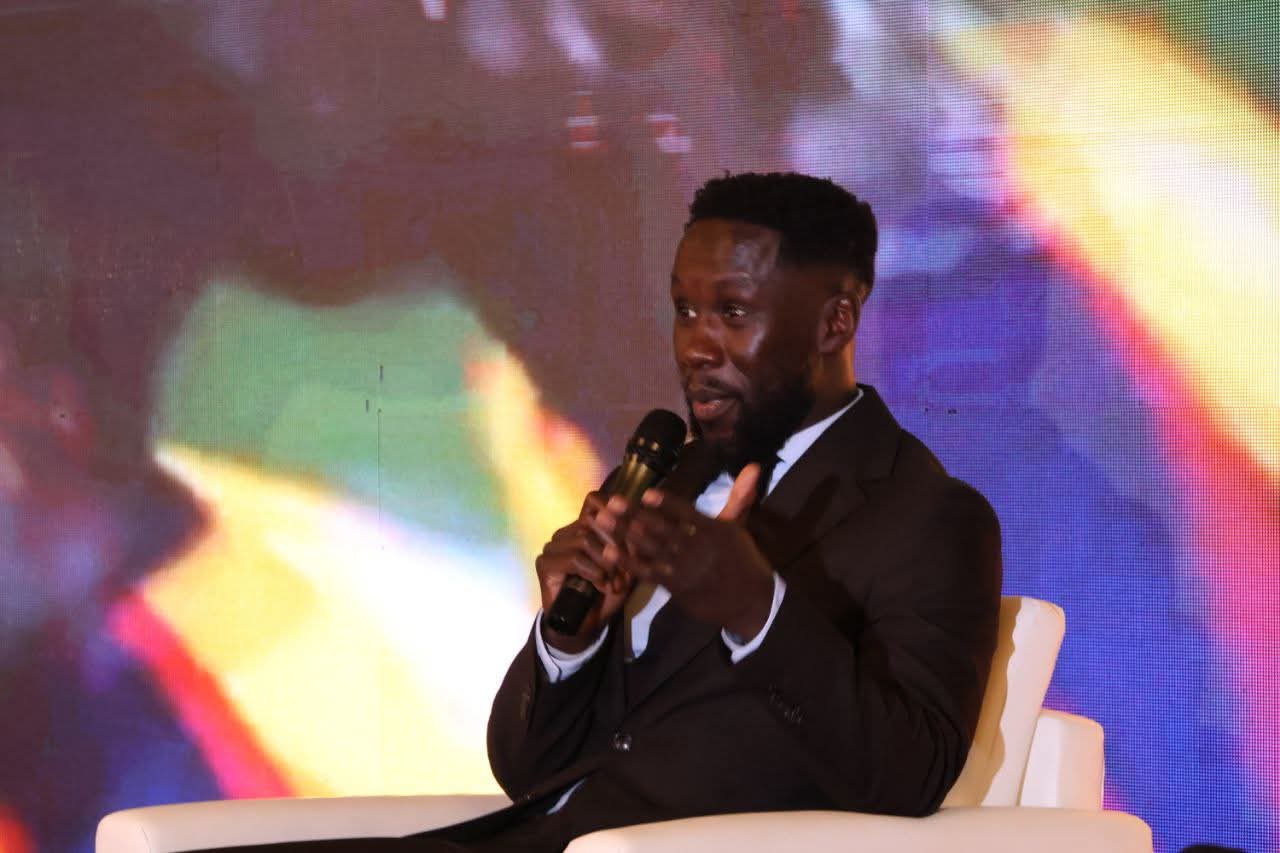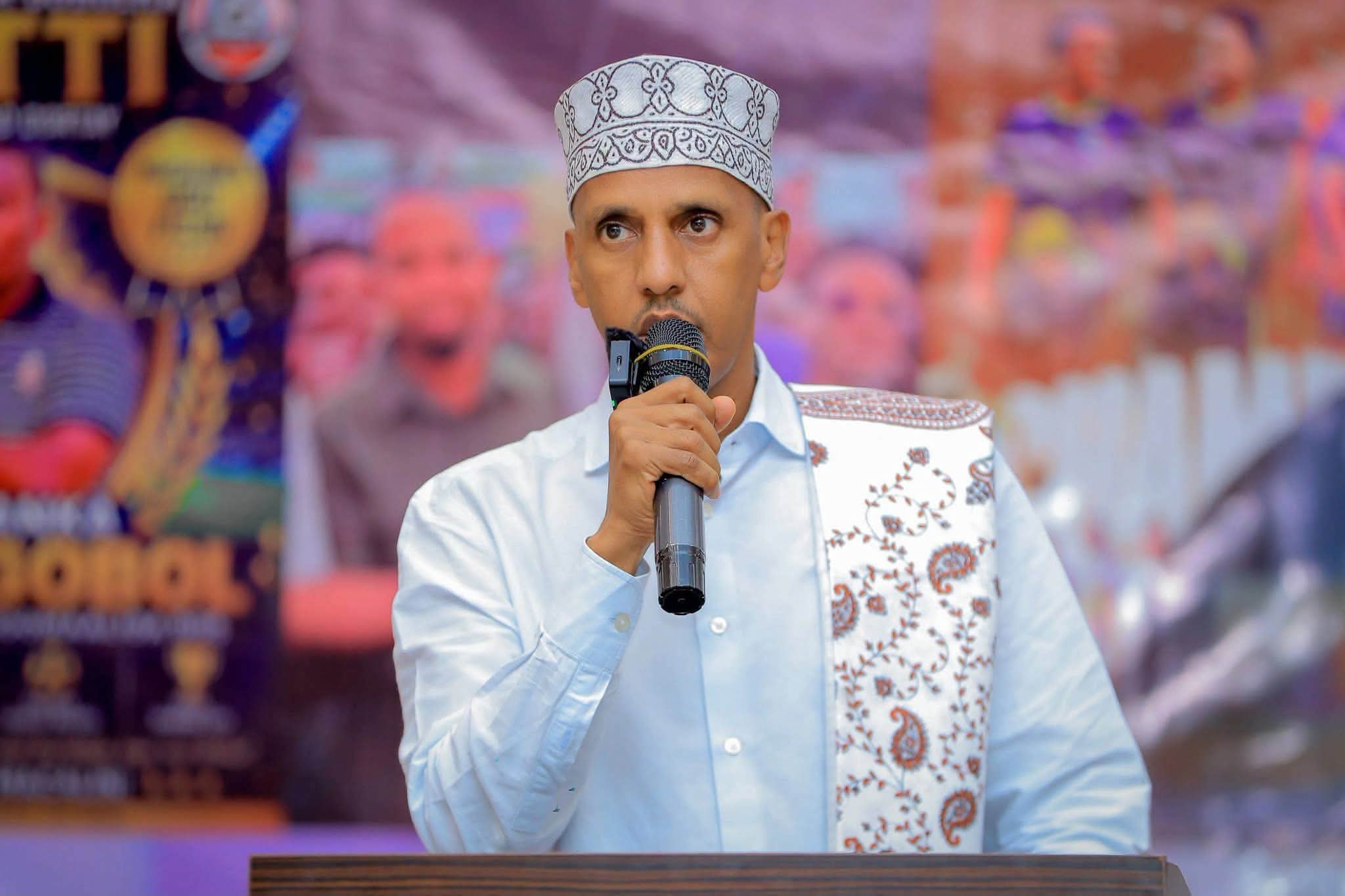


Tomas Hailu,Founder & CEO of ETHIO DANCE Fitness
Tomas Hailu: From Hardship to Building Ethiopia’s Dance Fitness Movement
By Chekole Alemu
In a country where conventional gym culture long dominated the fitness space, a young entrepreneur chose a different rhythm. ETHIO DANCE Fitness, founded by Tomas Hailu, widely known as Tomy+, has grown from a bold idea into one of the most visible dance fitness movements in Ethiopia.
His journey did not begin in comfort. Like many young Ethiopians raised in low income households, Tomas grew up facing severe hardship. There were periods when he went without food for several days. Schooling was inconsistent, not because of a lack of ambition, but because survival came first. Those early struggles shaped his resilience and sharpened his determination to build something of his own.
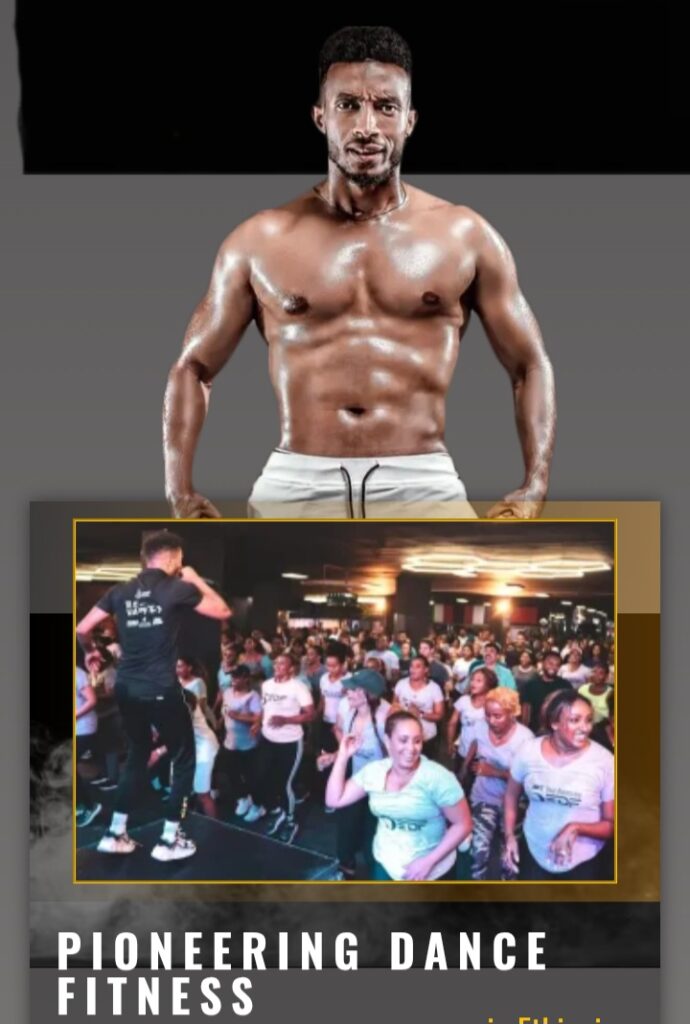
Dance became his first real opportunity. As a young man, he joined the Ethiopian National Theatre as a volunteer dancer. He was not paid. The institution covered his lunch, and that was enough for him to stay. The stage became both a refuge and a classroom. It was there that he began to understand the physical and emotional power of movement.
At the time, dance fitness was almost unheard of in Ethiopia. When Tomas introduced the concept, many dismissed it. Some openly laughed at the idea that dance could be considered serious sport. Fitness, in the public mind, was limited to weightlifting or competitive athletics. Dance was seen as entertainment, not exercise.
But he persisted.
Gradually, classes filled. Word spread across Addis Ababa. Young professionals, students, mothers, and even airline crew members began to see dance fitness not only as exercise, but as an inclusive space for stress relief and self expression. ETHIO DANCE Fitness evolved into more than a workout studio. It became a community hub.
Today, Tomas leads tours and large group sessions not only in Addis Ababa but in major regional cities including Bahir Dar, Adama, Hawassa, and Mekelle. His programs combine structured choreography with high intensity training, building cardiovascular strength while also strengthening social bonds.
Beyond the business growth, his work carries social significance.
The war in northern Ethiopia left Tigray with deep physical and psychological scars. Infrastructure was damaged, including schools, health facilities, and sports centers. Many children lost access to safe recreational spaces. Trauma became part of daily life. In that context, community based fitness initiatives began to play an unexpected role.
Dance fitness sessions organized by Tomas and other local actors offered more than physical activity. They created structured, collective experiences that allowed young people to reconnect with peers, regain confidence, and briefly escape the weight of conflict. Movement became a tool for psychosocial recovery. Participants describe the sessions as moments of normalcy in a period defined by uncertainty.
Observers note that such initiatives, while modest in scale, contribute to social stability. By promoting teamwork, routine, and emotional release, they help rebuild trust at community level. Tomas has consistently framed his work in neutral, inclusive terms, emphasizing health and unity over politics. In regions recovering from conflict, that positioning has mattered.
On the business side, ETHIO DANCE Fitness has also invested in modernizing Ethiopia’s fitness industry. Tomas recently began importing advanced gym equipment from Dubai, aiming to raise standards and professionalize services. His model blends dance fitness with structured personal training, group training, and nutrition guidance. The gym offers flexible membership packages tailored to different lifestyles, including students and shift workers.
Industry analysts point to his approach as part of a broader shift in Ethiopia’s urban wellness culture. Fitness is increasingly seen not as luxury, but as preventive healthcare and productivity support. By localizing the concept of dance fitness and aligning it with Ethiopian music and culture, Tomas helped remove the perception that modern fitness trends are foreign imports.
Recognition has followed growth. While not driven by awards, his work has been acknowledged by community leaders and youth groups who credit ETHIO DANCE Fitness with promoting healthier lifestyles. His personal story, rising from poverty to CEO, is often cited as a motivational example for young entrepreneurs.
Colleagues describe him as hands on and disciplined. He leads sessions himself, trains instructors, and remains directly involved in program development. Those who work with him say his leadership style reflects his early experiences. Having known scarcity, he places emphasis on accessibility and affordability.
At its core, his philosophy is simple. Fitness should empower. It should be inclusive. It should strengthen both body and mind.
For Tomas Hailu, dance was first a means of survival. It later became a business. Today, it stands as a platform for investment, youth engagement, and community healing. In a country navigating rapid urban change and post conflict recovery, his story illustrates how individual initiative can intersect with broader social needs.
The rhythm that once drew skepticism now shapes a growing movement toward a healthier generation, mentally and physically, across Ethiopia.
———
Editor’s Disclaimer:The views and opinions expressed in articles published by Horn News Hub are those of the authors and do not necessarily reflect the official position or editorial stance of Horn News Hub. Publication does not imply endorsement.