
From Rome to Addis Ababa, Italy’s €5.5 Billion Mattei Plan Faces Its Moment of Truth
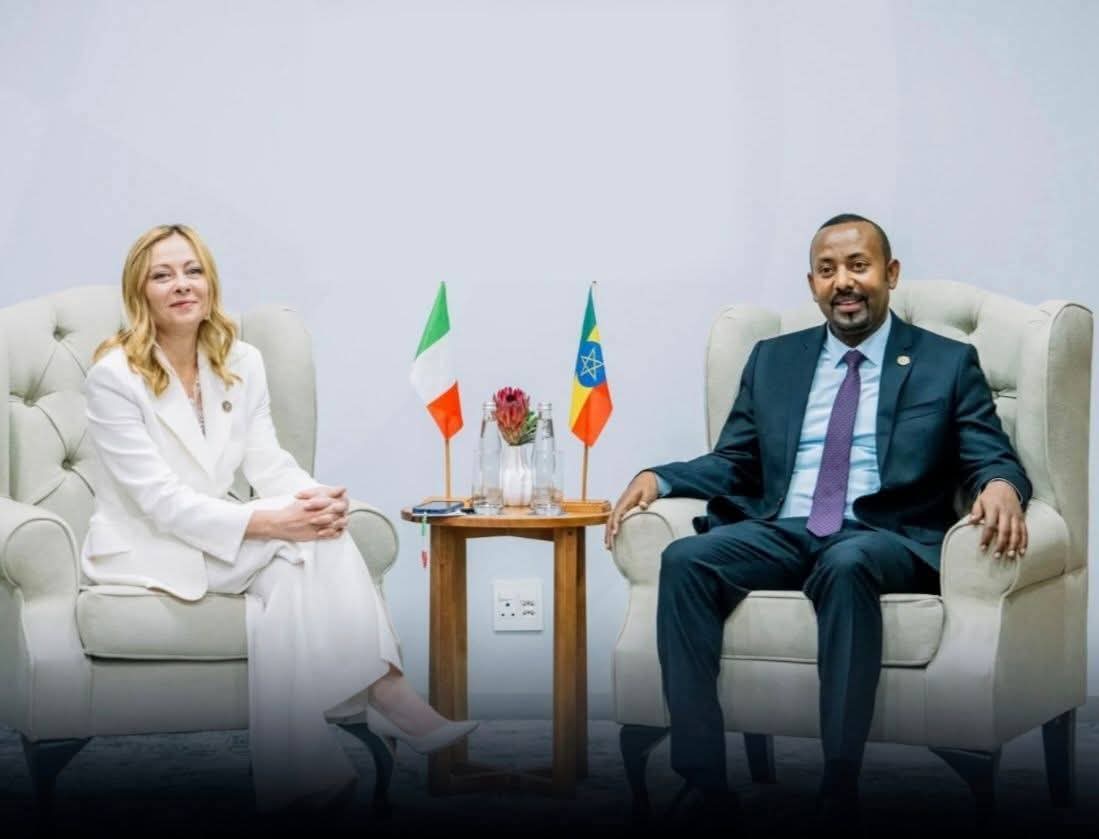
Addis Ababa, February 13, 2026 — Two years after its launch in Rome, Italy’s €5.5 billion Mattei Plan is entering a critical phase as leaders convene in Ethiopia for the second Italia–Africa Summit. What began as a bold diplomatic pledge is now being measured by delivery, investment flows, and long-term impact.
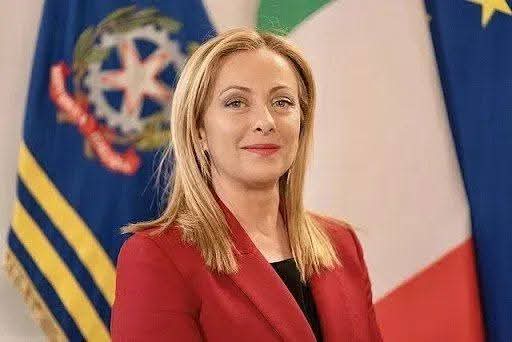
In 2024, inside the historic halls of Palazzo Madama in Rome, Italian Prime Minister Giorgia Meloni introduced the Mattei Plan as a reset in Africa–Europe relations. Named after Enrico Mattei, the postwar energy executive known for advocating equitable partnerships with resource-rich nations, the initiative promised a shift from traditional aid to mutually beneficial cooperation.
Initially targeting nine African countries, the plan has since expanded to 14 partner states, including Algeria, Ethiopia and Kenya. It now oversees 29 projects spanning energy, agriculture, water, health, and education. Italian officials describe the approach as investment driven, combining public funding with private sector engagement and aligning with the European Union’s Global Gateway strategy.
From Vision to Implementation
Progress reports indicate steady but uneven advancement. In Kenya, a biofuel initiative aims to increase oilseed production from 44,000 tons to 500,000 tons annually, with projected benefits for around 200,000 smallholder farmers. In Tunisia, school rehabilitation projects are underway to improve access to education. In the Republic of Congo, new water distribution networks are being developed to expand access to clean water.
Financially, Rome has linked the plan to broader European instruments. A €250 million loan facilitated through the Africa Finance Corporation is supporting the Lobito Railway Corridor, a cross-border infrastructure project intended to strengthen regional trade and mineral exports.
Italian authorities argue that this mix of grants, loans, and export credit guarantees marks a departure from conventional aid frameworks. The emphasis is on commercial viability and long-term sustainability, particularly in the energy sector.
Energy at the Core
Energy security remains central to Italy’s strategy. Italian energy giant Eni continues to expand its footprint across Africa, positioning Italy as a potential energy bridge between the continent and Europe. Other major firms, including Enel and ACEA, are exploring investments in renewable energy, electricity infrastructure, and water management.
For Europe, diversifying energy sources has become urgent amid shifting global markets. For African governments, the appeal lies in infrastructure financing, technology transfer, and job creation.
Former African Development Bank president Akinwumi Adesina has underscored the continent’s economic potential, pointing to strong growth rates and a young population. With roughly three quarters of Africans under the age of 35, demographic momentum is widely seen as both an opportunity and a pressure point.
The Addis Ababa Test
Hosting the 2026 summit in Addis Ababa carries symbolic and strategic weight. As the seat of the African Union, the city represents continental diplomacy. Holding the meeting on African soil signals an effort to frame the partnership as balanced rather than donor driven.
This year’s summit agenda centers on three themes: accountability, digital transformation, and migration. Italian officials are expected to present progress assessments on the €5.5 billion commitment and the 14-country rollout. African leaders are likely to seek clarity on timelines, financing mechanisms, and measurable outcomes.
Digital cooperation is emerging as a new frontier. Africa’s digital economy is projected to grow significantly in the coming decades, and discussions are expected to cover digital public infrastructure, identity systems, and satellite-supported agriculture.
Migration also remains part of the dialogue. Italian policymakers have promoted what they describe as the “right not to emigrate,” linking development financing to job creation in countries of origin. Critics argue that development alone cannot fully address migration pressures without broader political and economic reforms.
Beyond Aid
By aligning the summit with the African Union’s high-level meetings, Italy is positioning itself as a leading European interlocutor on African affairs within both the EU and the G7 framework. The broader ambition is to shift from traditional aid dependency toward structured investment partnerships.
Whether the Mattei Plan becomes a durable framework or fades into diplomatic rhetoric will depend on sustained financing, transparent governance, and tangible results on the ground.
As leaders gather in Addis Ababa, expectations are high. For African economies seeking capital and technology, and for Europe searching for reliable energy partners, the outcome of this evolving “Mattei Bridge” could shape relations for years to come.
Source፡POA
Editor’s Disclaimer:
The views and opinions expressed in articles published by Horn News Hub are those of the authors and do not necessarily reflect the official position or editorial stance of Horn News Hub. Publication does not imply endorsement.