

Addis Ababa’s Moment: Urban Renewal, Political Significance, and the Making of a Modern African Capital
By Chekole Alemu
As African leaders gather in Addis Ababa for the 39th Ordinary Session of the Assembly of the African Union, held from February 11 to 15, 2026, the city is doing more than hosting a summit. It is presenting a statement.
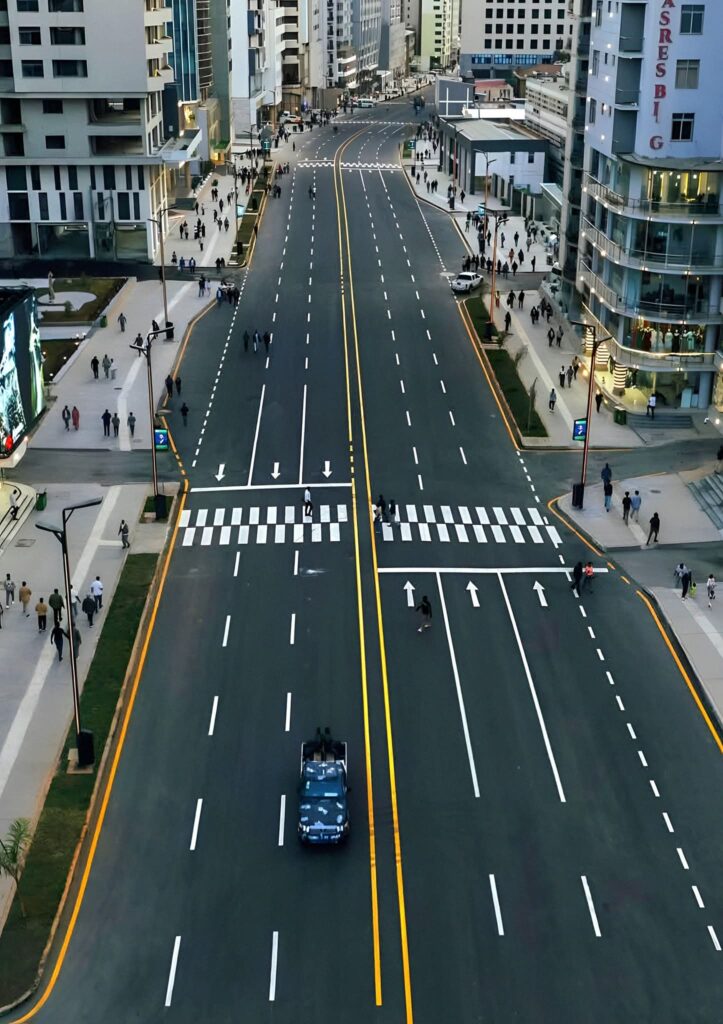
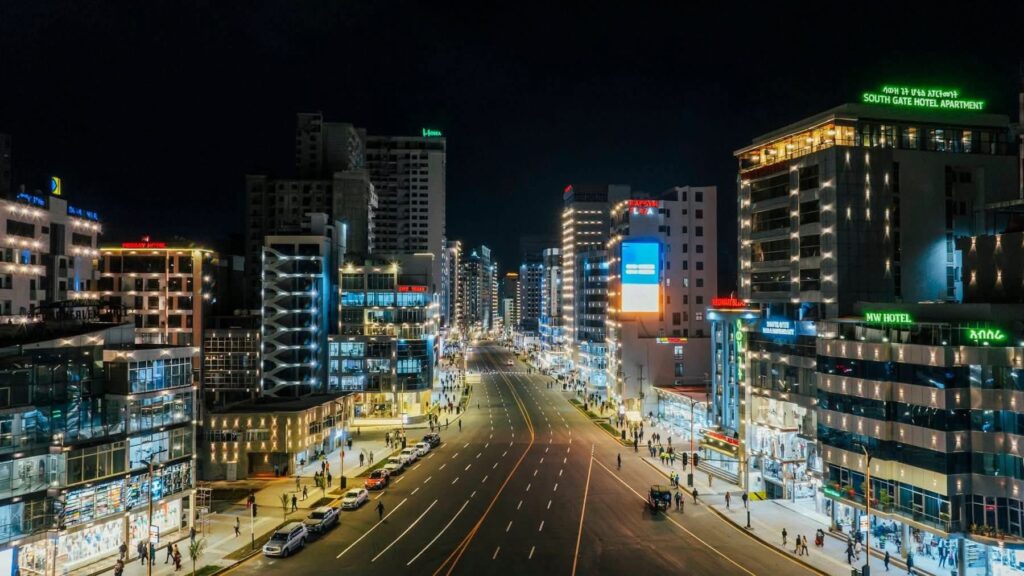
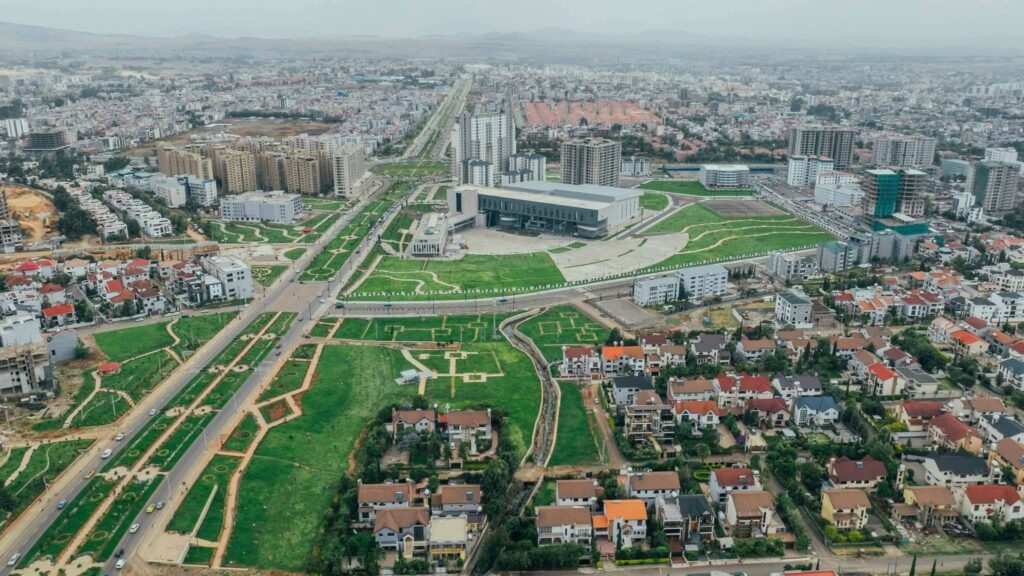
Fresh asphalt lines major corridors. Public squares are cleaned and landscaped. Buildings are repainted. Streetlights shine brighter at night. The transformation is visible and deliberate, unfolding as presidents, prime ministers, and diplomats arrive for one of the continent’s most consequential political gatherings.
Yet beyond the polished streets lies a deeper story about governance, ambition, and the evolving identity of Ethiopia’s capital.
A Diplomatic Capital Reinventing Itself
Addis Ababa has long been known as the political heart of Africa. As host of the African Union and the United Nations Economic Commission for Africa, it carries diplomatic weight unmatched on the continent. But for years, that status coexisted with familiar urban challenges: traffic congestion, strained infrastructure, uneven service delivery.
The current wave of beautification and infrastructure upgrading is part of a broader urban renewal drive that has intensified in recent years. Roads have been expanded, river corridors rehabilitated, public parks developed, and civic spaces modernized. The city’s skyline is shifting, and so is its confidence.
Officials present the effort not simply as summit preparation, but as part of a long-term repositioning strategy. Addis Ababa is being reshaped to reflect Ethiopia’s economic aspirations and its political stature in Africa.
Abrehot Library and the Symbolism of Knowledge
Among the flagship projects symbolizing this transformation is the Abrehot Library, inaugurated in 2022. With more than 1.4 million books and capacity for thousands of daily users, it stands as one of Africa’s largest and most modern public libraries.
Foreign visitors have taken notice. Tourists from London, currently traveling through Ethiopia, expressed open admiration for the facility, describing it as more advanced than libraries they have seen in the United Kingdom. Their reaction speaks to a changing perception of Addis Ababa.
Libraries are not just buildings. They signal investment in education, civic culture, and intellectual growth. In a country where youth make up the majority of the population, such infrastructure carries political and social meaning.
Leadership and Urban Governance
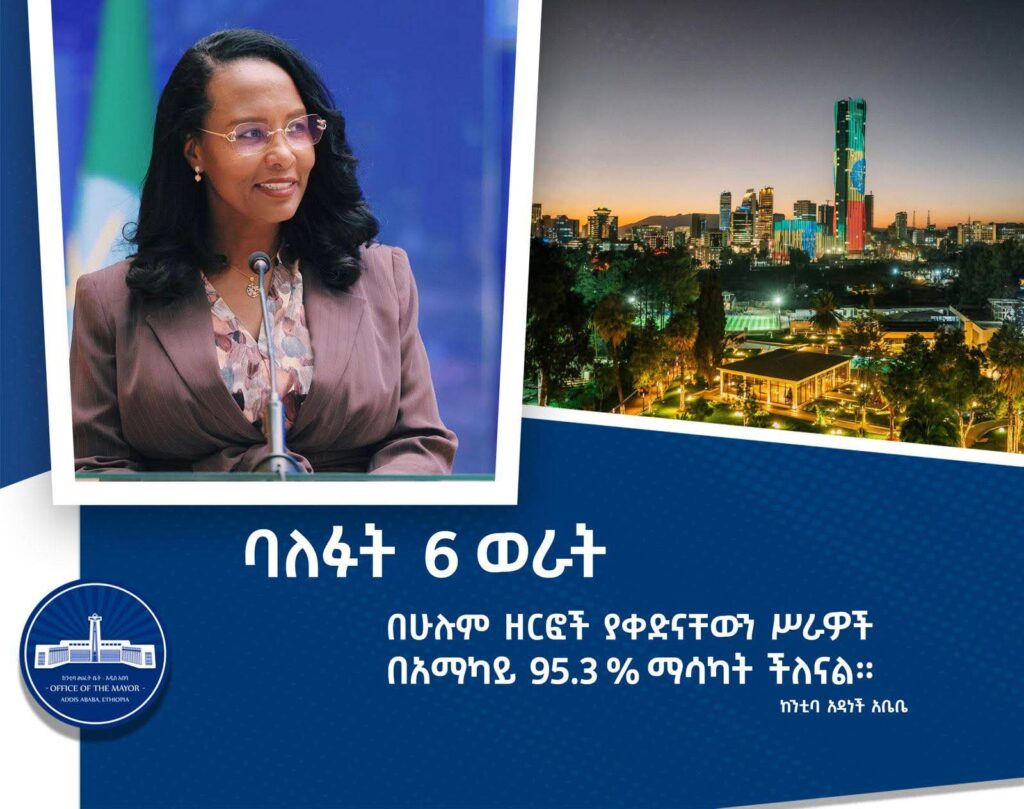
The transformation of Addis Ababa has unfolded under the leadership of Mayor Adanech Abiebie. Since assuming office, she has overseen an ambitious period of infrastructure expansion, corridor development, housing projects, sanitation campaigns, and riverside rehabilitation.
Supporters describe this phase as a breakthrough moment in the city’s history, arguing that decisive leadership and coordinated planning have accelerated long-delayed reforms. The visible improvements across major routes and public spaces have strengthened the administration’s narrative of results-driven governance.
However, rapid urban development also raises structural questions. Addis Ababa continues to absorb thousands of new residents each year. Informal settlements, unemployment, and housing shortages remain pressing concerns. The durability of what some call the city’s “miracle development” will depend on whether infrastructure growth translates into inclusive opportunity.
Urban transformation is most meaningful when it improves daily life, not only diplomatic optics.
Economic Strategy and Continental Visibility
The AU summit, running from February 11 to 15, provides an important platform. Discussions are expected to focus on continental security challenges, economic integration, trade, and diplomatic coordination. Hosting such debates places Addis Ababa at the center of Africa’s political future.

For Ethiopia, urban renewal is intertwined with economic strategy. Improved infrastructure enhances logistics and commerce. Modern public spaces strengthen tourism and investment appeal. A cleaner, better-organized capital reinforces confidence among international partners.
Addis Ababa is not only hosting policy discussions about Africa’s development. It is attempting to embody that development.
Image, Stability, and Long-Term Vision
The summit unfolds amid ongoing security and political complexities within the region. In this context, the city’s transformation carries symbolic weight. Orderly streets and functioning infrastructure project institutional capacity and stability.
Yet symbolism has limits. The success of Addis Ababa’s renewal will ultimately be measured by service delivery, job creation, housing access, and social equity. Infrastructure can reshape skylines quickly. Transforming urban livelihoods takes longer.
As the 39th AU Assembly proceeds through February 15, Addis Ababa stands illuminated and carefully presented to the continent. It showcases both Ethiopia’s ambition and its evolving governance model.
When the motorcades depart and the summit concludes, the deeper test will begin. Can the momentum visible this week become a sustainable urban future?
For now, Addis Ababa is not just hosting Africa. It is redefining how it wants to be seen.
————–
Editor’s Disclaimer:
The views and opinions expressed in articles published by Horn News Hub are those of the authors and do not necessarily reflect the official position or editorial stance of Horn News Hub. Publication does not imply endorsement.