
Mekelle/Tel Aviv/Nairobi/Pretoria/London፡
Abri Motors Steps In to Support Tigray Cultural Group at Addis Jazz Festival
By Chekole Alemu
The Addis Jazz Festival returns for its fifth edition from 6 to 8 February 2026, marking a turning point in its journey from a niche music gathering to a regional cultural platform. Organised by Muzikawi since 2019, the festival has grown steadily in scale and ambition. This year’s move to the expansive grounds of the Ghion Hotel signals a clear shift toward greater public access and broader cultural reach.
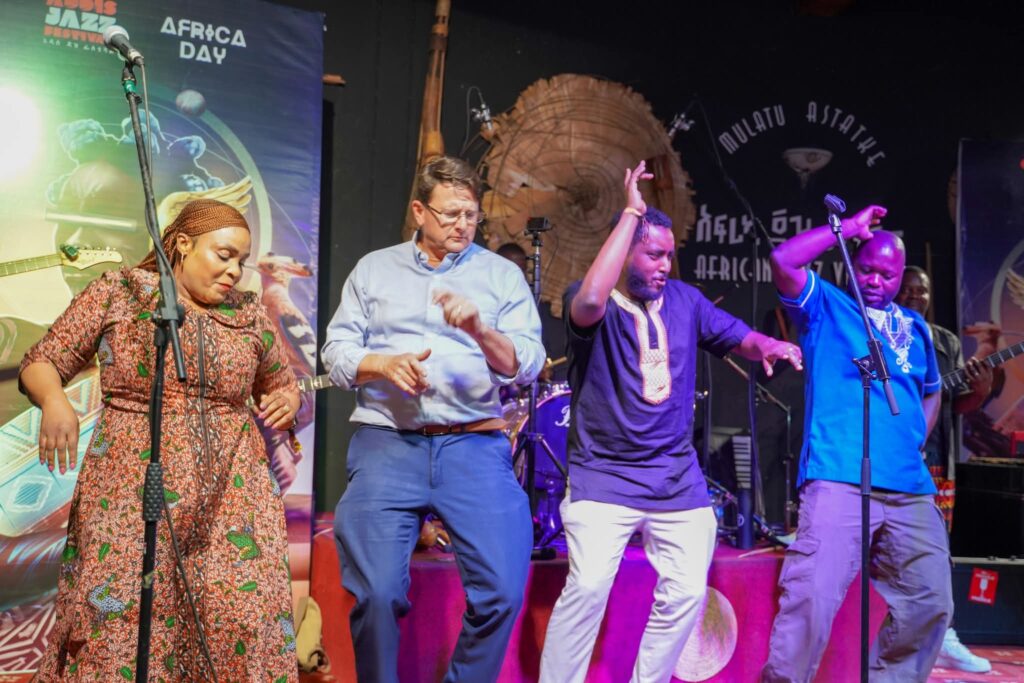
The transition is backed by a new partnership between the organisers, Selam Ethiopia, and the Addis Ababa City Administration’s Culture and Arts Bureau. The collaboration reflects a growing institutional commitment to the creative economy and to positioning Addis Ababa as a key hub for live jazz and contemporary African music in East Africa.
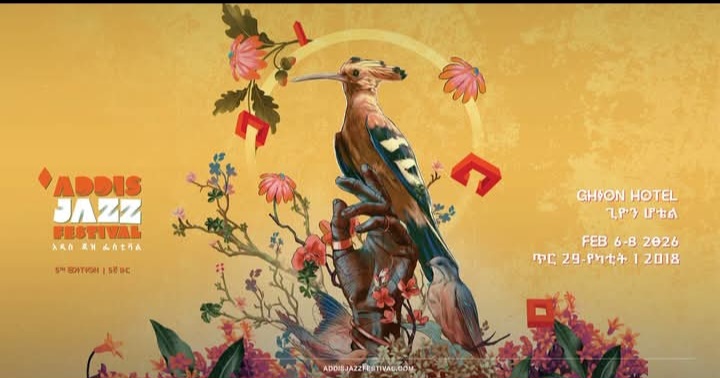
While jazz remains the festival’s foundation, the 2026 programme stretches beyond traditional boundaries. Afrohouse, soul, reggae, and experimental pan-African and diasporic sounds will feature prominently, reflecting the fluid and evolving nature of African musical expression. The festival also extends beyond sound, with immersive art installations, digital exhibitions, and curated culinary experiences designed to present Ethiopian culture in a holistic and modern frame.
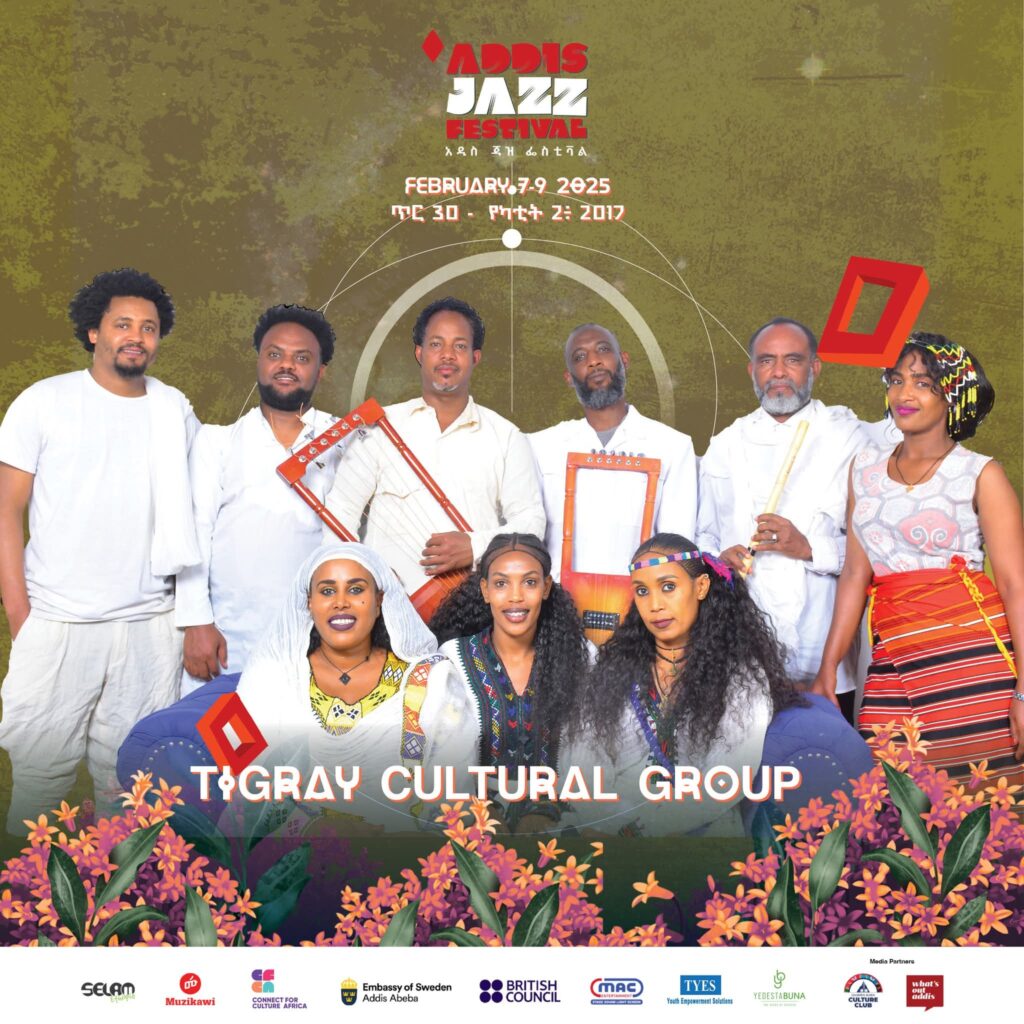
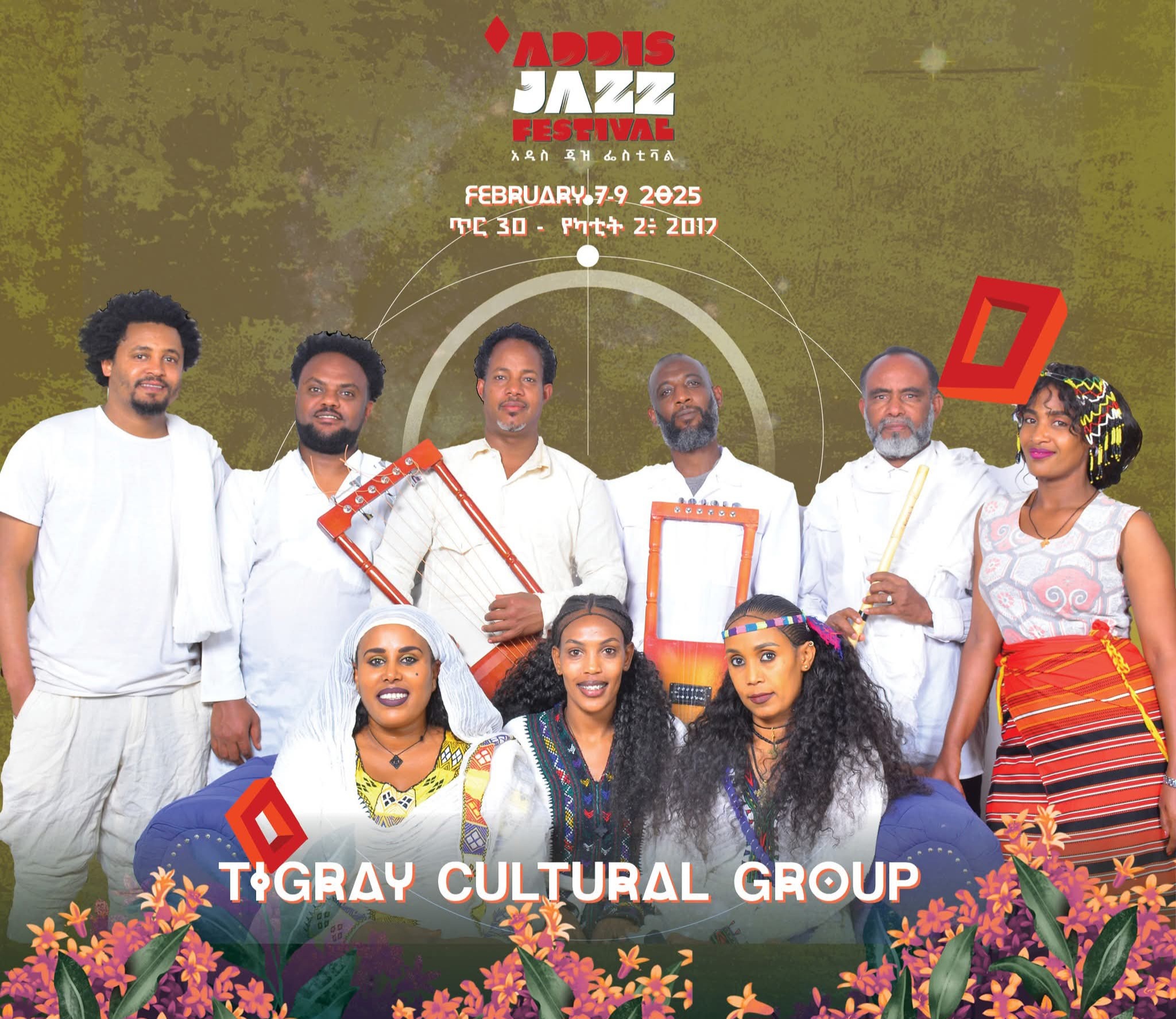
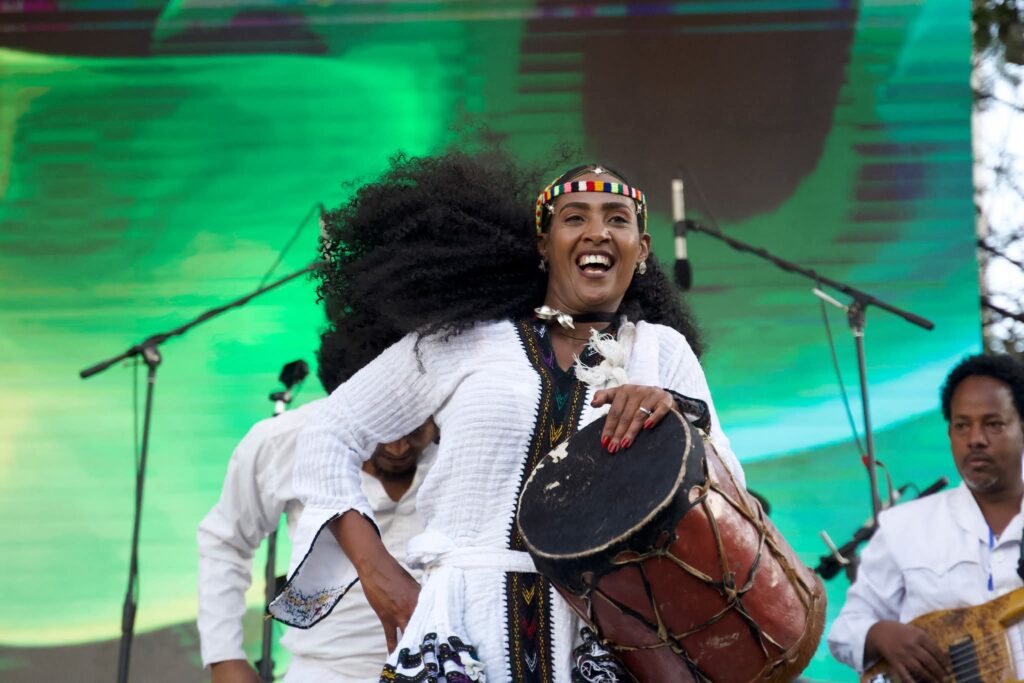
Among the cultural participants this year is the Kin Cultural Association of Tigray (KCAT), taking part in the festival for the second time. KCAT will present cultural expressions from across Tigray, including Raya, Kunama, and Erob traditions, offering audiences a rare and diverse cultural showcase from a region deeply affected by years of conflict.
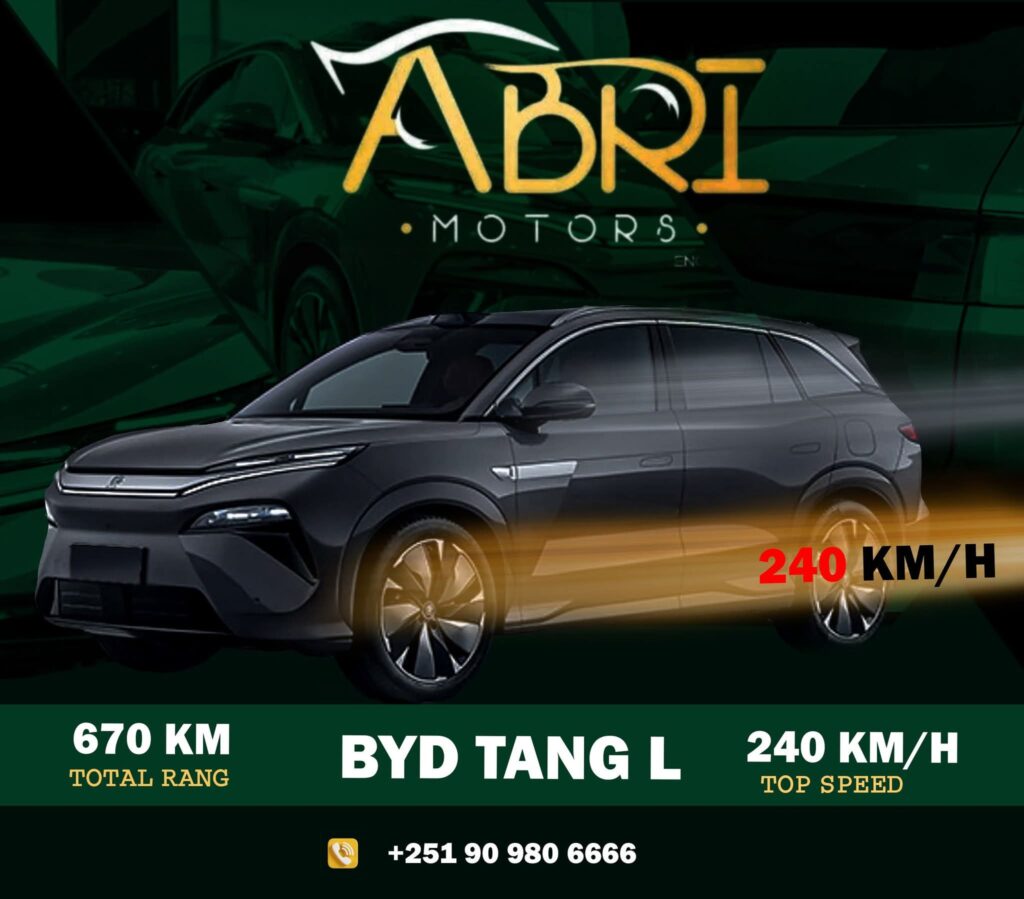
KCAT’s participation, however, was initially threatened by financial constraints. Travel, accommodation, and logistical costs posed serious barriers to joining an international-scale event. That gap was filled by Abri Motors, which stepped in to sponsor KCAT’s delegation by covering airfare, accommodation, and festival infrastructure costs, including tent rental.
Speaking to Horn News Hub in a phone interview, KCAT CEO Gebremariam Mebrahitu said the support made a decisive difference. He described the festival as more than a cultural event, calling it an important space for healing and reconnection for war-affected communities from Tigray.
“This stage gives us an opportunity to share our culture with wider audiences, to rebuild confidence, and to create networks with international stakeholders,” he said. “Without this support, participation would not have been possible.”
Gebremariam also framed Abri Motors’ intervention as a practical example of corporate social responsibility. He urged other private companies to follow similar models by supporting cultural institutions working to preserve and revive Tigray’s heritage.
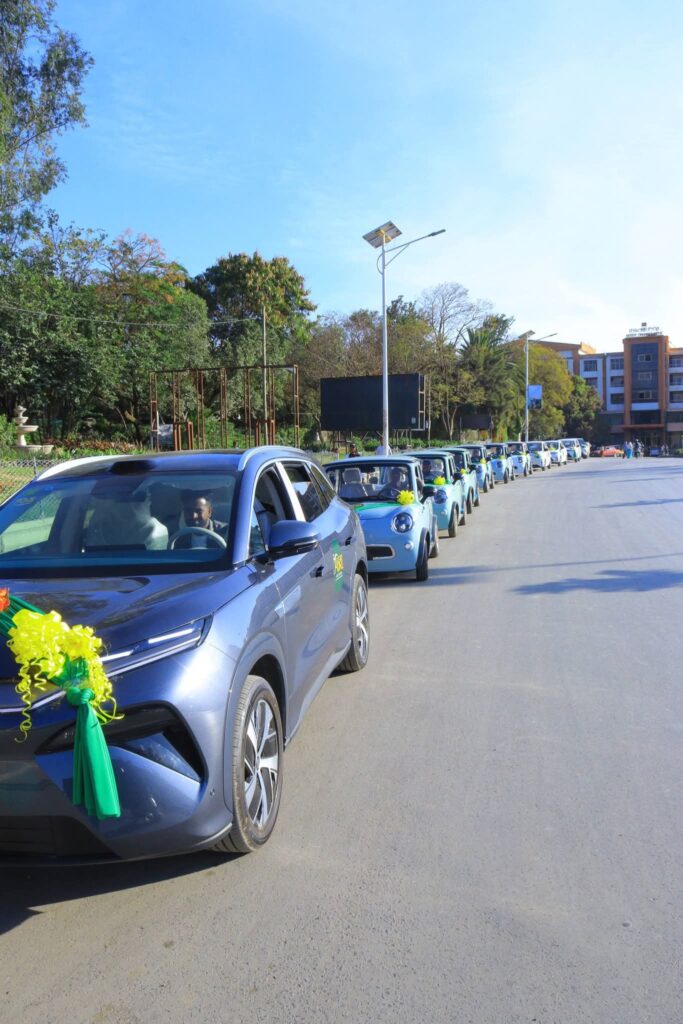
Abri Motors, which operates in Djibouti, Addis Ababa, and Mekelle, is known for introducing electric vehicles designed to suit Ethiopia’s landscape and climate. Company officials say their support for KCAT reflects a broader commitment to social responsibility, cultural inclusion, and post-war recovery.
In a festival that celebrates creativity, exchange, and renewal, the sponsorship has allowed voices from Tigray to be part of the national and regional cultural conversation. For many involved, it is a reminder that culture can play a quiet but powerful role in healing, rebuilding trust, and reconnecting communities after conflict.
———-
Editor’s Disclaimer:
The views and opinions expressed in articles published by Horn News Hub are those of the authors and do not necessarily reflect the official position or editorial stance of Horn News Hub. Publication does not imply endorsement.