
Mekelle/Tel Aviv/Nairobi/Pretoria/London
MIDROC Acquires Historic Wabi Shebelle Hotel: Analysis of Strategic Investment and Broader Economic Impact
By Chekole Alemu
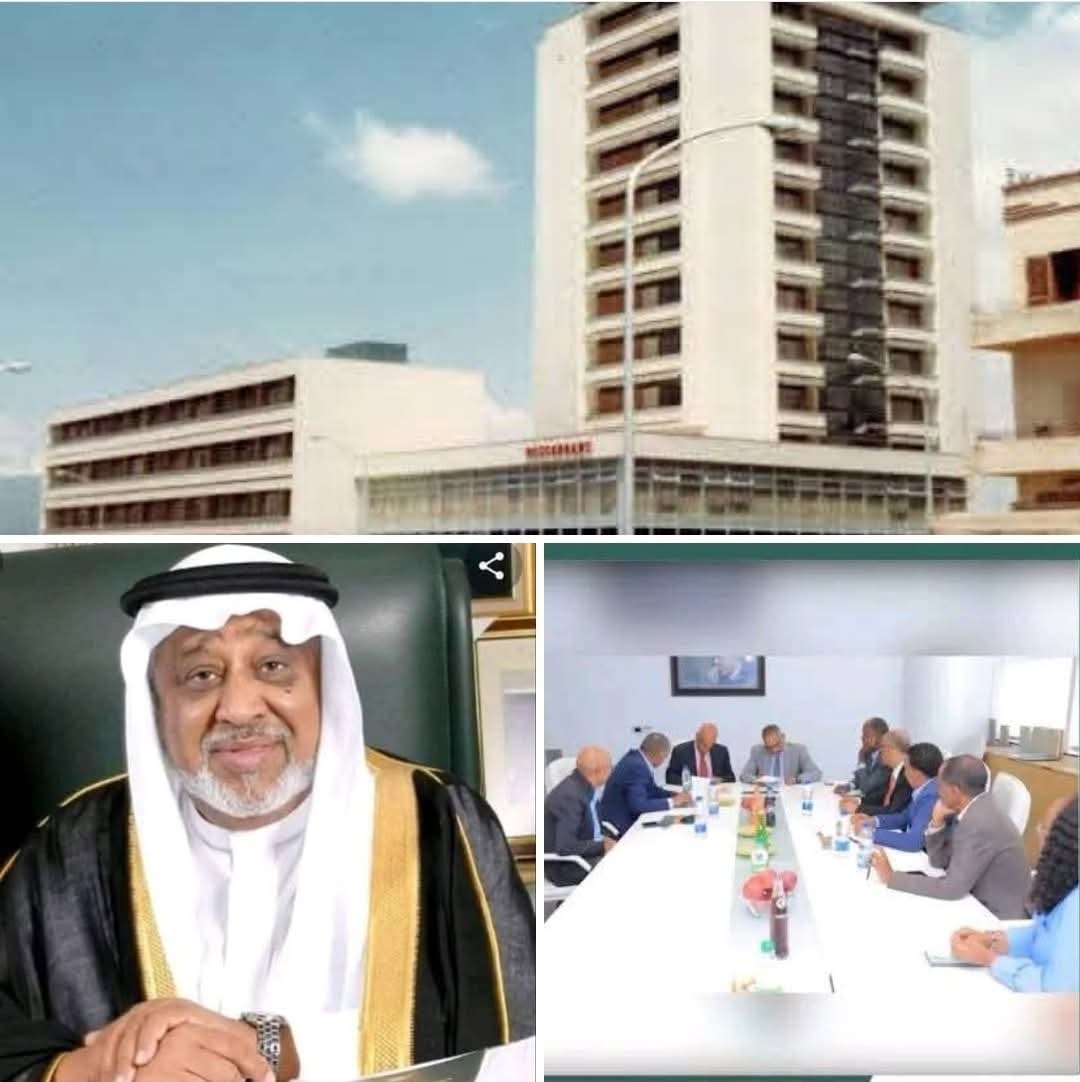
ADDIS ABABA — MIDROC Investment Group’s recent acquisition of the historic Wabi Shebelle Hotel from Wabi Shebelle Hotel Share Company signals a calculated move in Ethiopia’s tourism and hospitality sector ahead of the 32nd United Nations Climate Change Conference (COP32), scheduled for 2027 in the country.
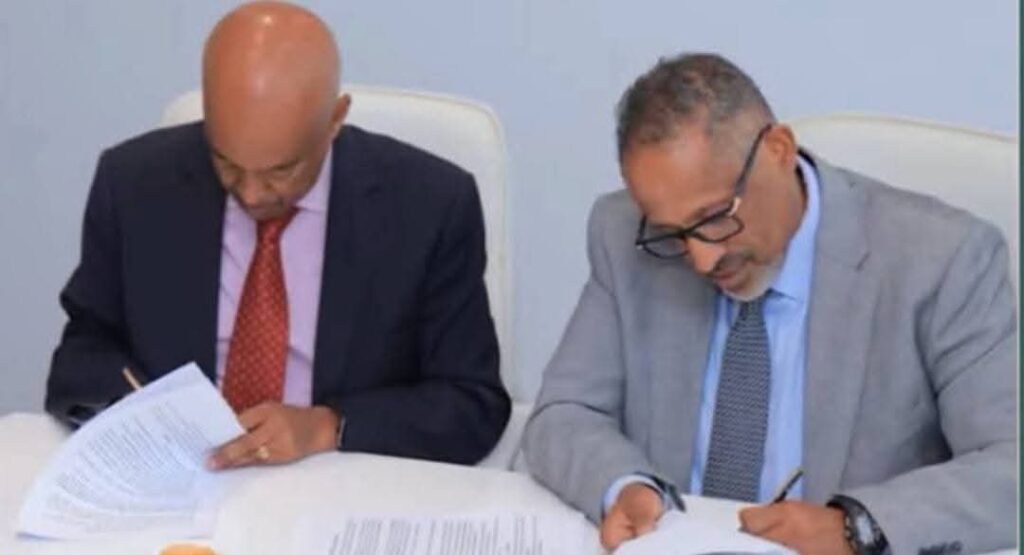
The company has committed to renovating and upgrading the property to align with Marriott International standards, while preserving its historic identity. The hotel, built by Emperor Haile Selassie I in 1968, was nationalized during the Derg era in 1974 and restored to the emperor’s descendants in 2011. This transaction underscores MIDROC’s evolving role in Ethiopia’s modern corporate landscape at the nexus of commercial expansion and national development objectives.
The planned upgrade ahead of COP32 reflects a broader strategic alignment between private investment and Ethiopia’s aspirations to host major international events. Upgrading accommodation inventory with global-standard hospitality capacity can enhance the country’s credibility as a venue for large-scale global forums, boosting business travel and international tourism.
Diversified Investment Footprint Across Key Sectors
MIDROC Investment Group is one of Ethiopia’s most diversified private conglomerates, operating across multiple sectors including agriculture and agro-processing, manufacturing, mining, commerce, construction and real estate, and hotel and tourism. Its portfolio represents a significant portion of private sector economic activity, with direct employment for tens of thousands and indirect support for broader value chains.
In agriculture and agro-processing, MIDROC is a leading producer of coffee, tea, vegetables, fruits, spices, poultry and meat products. Its estates and processing facilities contribute to both local supply and exports, particularly specialty coffee that competes in international markets.
The group’s manufacturing cluster includes production of packaging materials, food products, pharmaceuticals, and construction inputs, fostering local industrial capacity and import substitution.
In mining, MIDROC Gold and related subsidiaries have long been major players in Ethiopia’s mineral sector, especially gold, contributing to export earnings and foreign exchange.
MIDROC’s construction and real estate interests have shaped urban infrastructure and industrial capacity, including large projects in building construction, roads, and bridges, which support broader economic activity.
Tourism and Hospitality Expansion
Hospitality is already a visible part of MIDROC’s footprint. The group’s portfolio includes world-class properties such as the Sheraton Addis, and it has actively expanded hotel projects in Jimma, Hawassa and other cities. These investments bolster Ethiopia’s tourism infrastructure and cater to both domestic demand and international visitors.
The acquisition of the Wabi Shebelle Hotel, an asset with historical and cultural resonance, fits into a pattern of DIFROC leveraging iconic properties to enhance the country’s hospitality landscape. Renovating such heritage assets for international standard operation places Addis Ababa in a stronger position as a regional hub for tourism, business, and global events.
Economic and Social Impact: Employment and Youth Opportunities
MIDROC’s operations span a wide range of sectors that generate employment directly and indirectly. According to corporate figures, the group has created direct employment for more than 70,000 people in Ethiopia, and it supports hundreds of thousands more through supply chains and associated economic activity. Its scale makes it one of the largest private employers in the country.
By operating across agriculture, industry, construction, mining, tourism, and commerce, MIDROC contributes to diversified job creation from farm workers and factory staff to hospitality professionals and engineers. In an economy with a youthful demographic, these employment pathways are a strategic contribution to human capital development.
Supporting Broader National Development Priorities
Beyond immediate job creation, MIDROC’s investments align with broader development priorities in Ethiopia:
Agricultural modernization
Through mechanization initiatives and advanced farming practices, MIDROC supports productivity improvements that strengthen food security and export-oriented production.
Industrial development
Manufacturing and processing facilities reduce dependence on imports, enhance local value addition, and stimulate technology transfer.
Healthcare and social infrastructure
MIDROC has invested in health-related projects including hospitals and pharmaceutical production facilities nearing completion, which can widen access to services and reduce import dependence for medicines.
Foreign exchange earnings
Mining, agriculture exports and tourism contribute to much-needed hard currency inflows, which are vital for a developing economy like Ethiopia.
Challenges and Public Perception
While MIDROC’s economic footprint is substantial, its operations have not been without controversy, particularly around environmental and social impacts of mining activities. Past allegations around environmental degradation at major mine sites have featured in international reporting. This underscores the need for transparent and responsible investment that balances growth with community and ecological well-being.
Conclusion
The acquisition and planned renovation of the Wabi Shebelle Hotel by MIDROC Investment Group reflects more than a commercial transaction. It is part of a broader pattern of private sector engagement in national development. From agriculture to tourism, manufacturing to mining, the group’s investments contribute to employment, export earnings, infrastructure and service capacity. As Ethiopia prepares for COP32 and continues its development trajectory, partnerships between government and diversified investors like MIDROC may play an increasingly visible role in shaping the country’s economic future.
———-
Editor’s Disclaimer:
The views and opinions expressed in articles published by Horn News Hub are those of the authors and do not necessarily reflect the official position or editorial stance of Horn News Hub. Publication does not imply endorsement.