

Mekelle/Tel Aviv/Nairobi/Pretoria/London
Addis Ababa’s Next Urban Pivot: Global Ambitions, Local Pressures, and the Politics of City-Building
By Chekole Alemu
Addis Ababa is once again at a turning point. The approval of a new Local Development Plan by the Addis Ababa City Planning Board signals more than a routine urban update. It reflects a strategic bet that the capital can reposition itself as a credible host for major global and continental events while using that ambition to accelerate long delayed urban transformation.
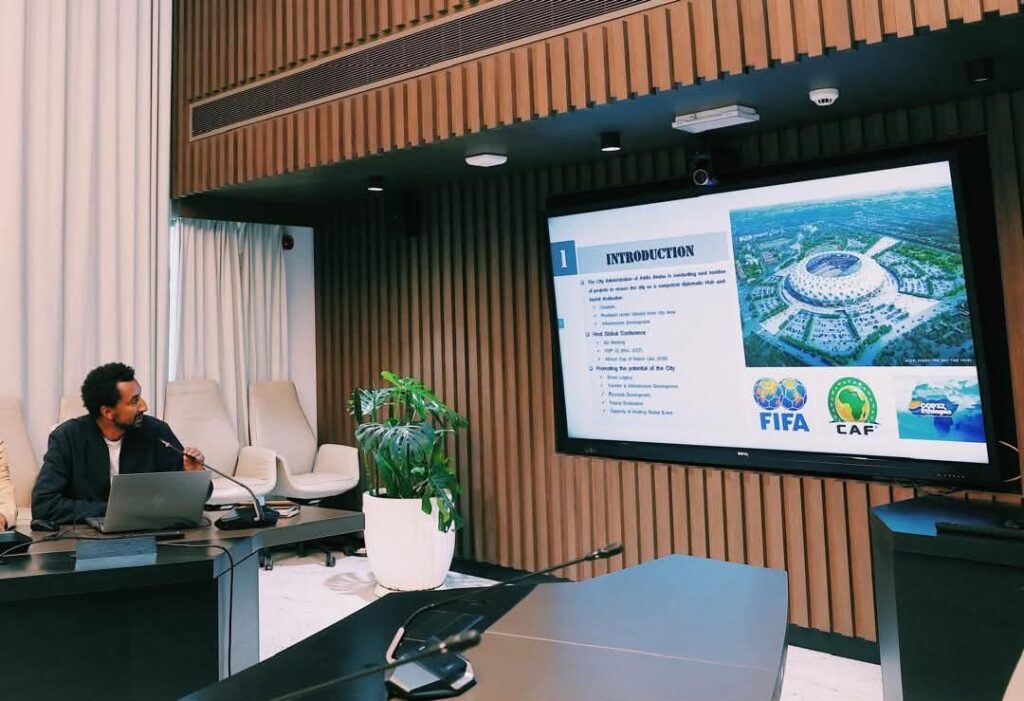
At the center of this push is a familiar tension. Addis Ababa is Africa’s diplomatic capital, home to the African Union and dozens of international institutions, yet its urban infrastructure has lagged behind its political status. The new LDP is an attempt to close that gap decisively, aligning city planning with Ethiopia’s bid to host high profile events such as COP 32 and the Africa Cup of Nations.
From symbolic capital to functional global city
For decades, Addis Ababa’s international image has rested on symbolism rather than capacity. Diplomatic compounds and conference halls coexist with congested roads, limited hotel stock, and overstretched public services. The city administration’s own figures are telling. Existing hotel and guesthouse capacity stands at roughly 25,000 beds, while a COP level conference would require accommodation for more than 80,000 participants.

The LDP treats this shortfall as a structural weakness rather than a temporary inconvenience. By prioritizing large scale hotel construction, serviced apartments, and the upgrading of existing facilities to international standards, the plan seeks to build a permanent hospitality ecosystem. This is not just about hosting a single event. It is about making Addis Ababa competitive in the global conference and business tourism market, where cities either meet expectations or are bypassed entirely.
If implemented effectively, this expansion could also reshape the city’s service economy. Hospitality is labor intensive. It creates jobs across skill levels, from construction and maintenance to management, catering, and logistics. For a city grappling with youth unemployment and informal labor, this matters.
Infrastructure as governance, not just construction
The LDP’s second pillar, transport and mobility, cuts to the heart of urban governance. Addis Ababa’s congestion is not simply a technical problem. It reflects years of fragmented planning, weak enforcement, and rapid population growth outpacing infrastructure investment.

The proposed expansion of road networks, pedestrian walkways, bicycle lanes, parking facilities, and transport terminals suggests a shift toward integrated mobility planning. This is significant. Cities that successfully host global events do not rely solely on road widening. They redesign how people move, prioritizing efficiency, safety, and accessibility.
Whether Addis Ababa can achieve this depends less on blueprints and more on execution. Coordinating road works with utilities, enforcing land use regulations, and maintaining new infrastructure will test the city’s institutional capacity. In this sense, the LDP is as much a governance reform project as it is an urban one.
Sport, spectacle, and urban renewal
Preparations linked to the Africa Cup of Nations add another layer to the plan. Development around Addis Ababa Stadium, guided by FIFA and international event standards, is framed as a catalyst for wider urban renewal. Sporting events have long been used by cities to justify accelerated infrastructure spending. Sometimes this produces lasting benefits. Sometimes it leaves behind underused facilities.

The outcome will depend on whether stadium area investments are integrated into the broader urban fabric. Transport access, commercial activity, housing, and public spaces must serve residents long after the final match. If done well, sports driven development can regenerate neglected neighborhoods. If done poorly, it becomes an expensive showcase disconnected from daily urban life.
Leadership and the politics of delivery
Much of this agenda is being driven under the leadership of Mayor Adanech Abiebie. Her administration has emphasized visible urban interventions, from corridor development projects to regulatory enforcement. Supporters see this as decisive leadership cutting through inertia. Critics question inclusivity, consultation, and the social costs of rapid redevelopment.

The new LDP reflects this governing style. It is ambitious, centralized, and results oriented. The stated implementation model emphasizes collaboration among residents, government institutions, investors, and other stakeholders. In practice, balancing investor driven development with community interests will be one of the administration’s hardest tests.
Urban transformation is never neutral. Decisions about land use, relocation, compensation, and zoning redistribute power and resources. For Addis Ababa’s “miracle development” narrative to hold, economic growth must be matched by social legitimacy. Jobs, improved services, and accessible public spaces will matter more to residents than international applause.
Economic stakes and long term risks
If successful, the LDP could unlock significant economic gains. Construction activity, service sector expansion, and improved connectivity can boost productivity and attract foreign and domestic investment. Upgraded water, sewerage, electricity, telecommunications, and green spaces would also raise living standards in a city under environmental and demographic pressure.

Yet the risks are real. Overreliance on event driven development can lead to rushed projects, cost overruns, and underutilized assets. Financing large scale infrastructure without overburdening public finances will require careful sequencing and transparent partnerships. Governance failures, not technical constraints, remain the biggest threat.
A test case for Ethiopia’s urban future
Addis Ababa’s new Local Development Plan is ultimately a test case. It will show whether Ethiopia’s capital can translate political ambition into sustainable urban governance. Hosting COP 32 or the Africa Cup of Nations would be symbolic victories. Delivering a more functional, inclusive, and competitive city would be the real achievement.
The choices made now, about who benefits, who decides, and how the city grows, will shape Addis Ababa long after the global delegations leave. The promise of transformation is clear. Whether it becomes a durable urban legacy depends on leadership, institutions, and the city’s ability to put residents at the center of its global aspirations.
———-
Editor’s Disclaimer:
The views and opinions expressed in articles published by Horn News Hub are those of the authors and do not necessarily reflect the official position or editorial stance of Horn News Hub. Publication does not imply endorsement.