

Mekelle/Tel Aviv/Nairobi/Pretoria/London
IMF Approves New Disbursement for Ethiopia as Reform Program Shows Strong Results
The International Monetary Fund has approved a new disbursement of about 261 million US dollars to Ethiopia following the completion of the fourth review under the country’s Extended Credit Facility arrangement. The decision brings total IMF support under the program to roughly 2.18 billion dollars.
In a statement released from Washington, the IMF said Ethiopia’s economic performance under the Fund supported program has been stronger than anticipated, citing robust growth, improved exports, rising government revenues, higher foreign exchange reserves, and a steady decline in inflation. The IMF stressed that sustaining the pace of reforms will be critical to locking in these gains and supporting growth and poverty reduction over the medium term.
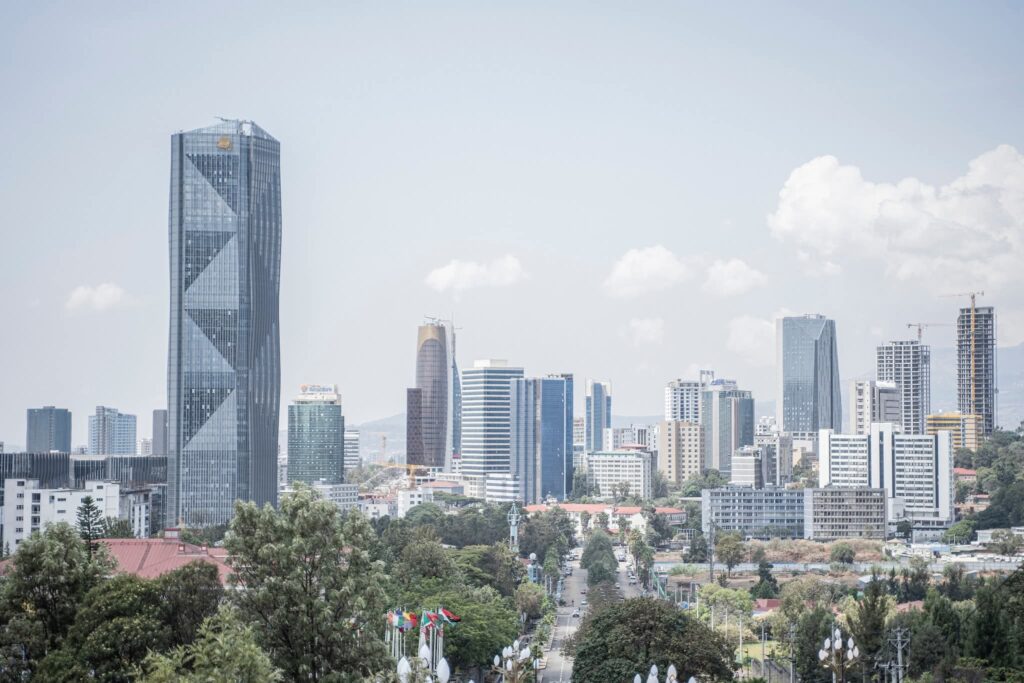
IMF Photo/Amanuel Sileshi
The 48 month ECF arrangement, approved in July 2024 and valued at about 3.4 billion dollars at the time, is designed to support Ethiopia’s Homegrown Economic Reform Agenda. The program aims to address long standing macroeconomic imbalances while laying the groundwork for private sector led growth.
According to the IMF, overall program implementation remains broadly on track. All quantitative performance criteria were met, along with most indicative targets. A new requirement has been introduced setting a zero limit on foreign exchange intervention outside of official auctions, reflecting the authorities’ commitment to improving transparency and market functioning.
Some targets were missed. Government contributions to social safety nets fell short of program benchmarks, as authorities prioritized the absorption of donor funding. In addition, the federal budget for the 2025 to 2026 fiscal year deviated from parameters agreed during the previous review, and the publication of financial statements for Ethiopian Investment Holdings was delayed. The government has pledged corrective measures to keep the fiscal deficit manageable and spending aligned with program objectives.
On monetary policy, the IMF said maintaining a tight stance remains appropriate to anchor inflation expectations. Recent increases in reserve requirements are helping to contain liquidity, while gradual reforms are under way to transition toward an interest rate based policy framework. Inflation, which averaged over 32 percent in 2022 to 2023, is projected to fall to single digits by 2026 to 2027.
The Fund welcomed steps taken by the National Bank of Ethiopia to strengthen the foreign exchange market, including limiting interventions to auctions and publishing auction guidelines in line with international practice. Further development of an interbank foreign exchange market is seen as key to improving transparency and managing currency risks.
Fiscal performance has also improved. Revenue mobilization has strengthened following recent tax policy changes, with government revenue projected to rise from about 7.3 percent of GDP in 2023 to 2024 to over 12 percent by the end of the decade. The IMF emphasized the importance of continued tax and customs reforms to broaden the tax base fairly, while urging restraint in public spending despite growing pressures.
Debt sustainability remains a central concern. The IMF welcomed progress on debt restructuring under the G20 Common Framework, including the signing of a memorandum of understanding with official creditors. Talks with private creditors are ongoing. Public debt, which rose sharply during recent shocks, is projected to decline steadily over the medium term if reforms continue.
IMF Deputy Managing Director Nigel Clarke said the reform agenda is delivering tangible results, but warned that momentum must be maintained. He highlighted the need to phase out fuel subsidies, safeguard social protection spending, strengthen financial sector oversight, and complete governance reforms at the central bank to ensure its independence and effectiveness.
Economic projections released alongside the review point to continued strong growth, with real GDP expected to remain above 8 percent annually through most of the forecast period. Inflation is projected to fall steadily, foreign reserves are expected to improve, and external imbalances are forecast to narrow gradually.
The IMF’s latest decision signals continued international support for Ethiopia’s reform path, while underscoring that discipline, policy consistency, and debt resolution will be decisive in shaping the country’s economic outlook in the years ahead.
Editor’s Disclaimer:
The views and opinions expressed in articles published by Horn News Hub are those of the authors and do not necessarily reflect the official position or editorial stance of Horn News Hub. Publication does not imply endorsement.