

Mekelle/Tel Aviv/Nairobi/Pretoria/London
Digital Visibility, Cultural Reframing, and the Real Impact of a Viral Tour
By Chekole Alemu
The visit of American YouTuber and livestreamer Darren Watkins Jr., widely known as IShowSpeed, to Ethiopia in January 2026 has sparked widespread public debate. Supporters describe the moment as a historic digital breakthrough, while critics question its tangible value and raise allegations of government spending. An examination of verified facts, audience data, and media impact suggests the visit functioned less as entertainment alone and more as an unplanned exercise in digital diplomacy, cultural reframing, and global visibility.
Background
IShowSpeed’s Ethiopia stop was part of his broader “Speed Does Africa” tour, which included Nigeria, Kenya, Rwanda, and other African countries.

Watkins, who commands a global audience exceeding 48 million subscribers, primarily reaches Gen Z and young millennial viewers in North America, Europe, and the African diaspora. This demographic is increasingly shaping global perceptions through digital platforms rather than traditional media.
A Shift in Narrative
One of the most measurable outcomes of the Ethiopia visit was narrative disruption. For decades, Western media representations of Africa have leaned heavily toward crisis-driven imagery. Conflict, famine, and poverty have often dominated the visual language used to describe the continent. IShowSpeed’s livestream presented a different reality in real time.
Viewers witnessed Addis Ababa as a functioning, energetic capital with high-rise buildings, crowded markets, modern museums, digital infrastructure, and a youthful urban culture. Comment sections across platforms reflected surprise, with many viewers openly acknowledging that their prior understanding of Africa had been inaccurate.
This shift matters because perception shapes policy, tourism, investment, and cultural respect. While one livestream cannot rewrite history, it can puncture stereotypes at scale. That is precisely what occurred.
Cultural Exposure at Scale
During the nearly five-hour broadcast, IShowSpeed engaged directly with Ethiopian cultural symbols and historical narratives. His visit to the Adwa Victory Memorial introduced millions of viewers to the 1896 Battle of Adwa, a defining moment in African resistance to colonialism. His decision to walk barefoot at the memorial, after learning Ethiopian soldiers fought without shoes, became one of the most widely shared moments of the stream.
He also participated in a traditional coffee ceremony, visited Merkato, interacted with vendors in basic Amharic phrases, and sampled local food, including raw beef. These moments, while informal, functioned as cultural translation for an audience largely unfamiliar with Ethiopia beyond headlines.
Cultural visibility at this scale is difficult to purchase through conventional advertising. Tourism campaigns typically target narrow markets with limited reach. In contrast, the Ethiopia stream reached hundreds of thousands of concurrent viewers and millions more through replays, clips, and secondary media coverage.
Digital Readiness and Infrastructure Signal
Another overlooked dimension of the visit was its demonstration of Ethiopia’s digital capacity. High-definition livestreaming requires stable connectivity, coordination, and technical resilience. The ability to maintain a long broadcast from multiple locations in Addis Ababa sent a quiet but important signal to global digital audiences and investors that Ethiopia is not digitally isolated.
For technology-driven industries, perception of connectivity matters almost as much as connectivity itself. The stream challenged outdated assumptions about African digital limitations and positioned Addis Ababa as a viable environment for large-scale digital events.
Youth Engagement and Diaspora Impact
The reaction among Ethiopian youth and the wider diaspora was immediate and emotional. Streets filled with fans, social media engagement surged, and Ethiopian flags dominated livestream chats. For young Ethiopians, the visit validated their presence in global digital culture. For diaspora communities, particularly African Americans, the content provided a counter-narrative to the Africa they had been shown through Western media.
Content creator and entrepreneur Weyni Tesfai, known online as Plan Back to Africa, described the tour as a direct challenge to long-standing propaganda against Africa. Her assessment aligns with broader reactions across LinkedIn, and public broadcasters, which highlighted the symbolic importance of representation rather than short-term financial metrics.
Addressing the Critics
Criticism of IShowSpeed’s visit has focused on claims that Ethiopia gained nothing and that public funds were used to host him. Evidence does not support either. No government payments have been confirmed, and the visit was undertaken independently as part of the streamer’s personal African tour.
While immediate financial benefits may be absent, the visit provided global exposure at no verified public cost, generated organic tourism interest, and reshaped perceptions of Ethiopia among audiences rarely reached by traditional diplomacy. Such soft power and image-building efforts often yield long-term cultural, economic, and diplomatic dividends.
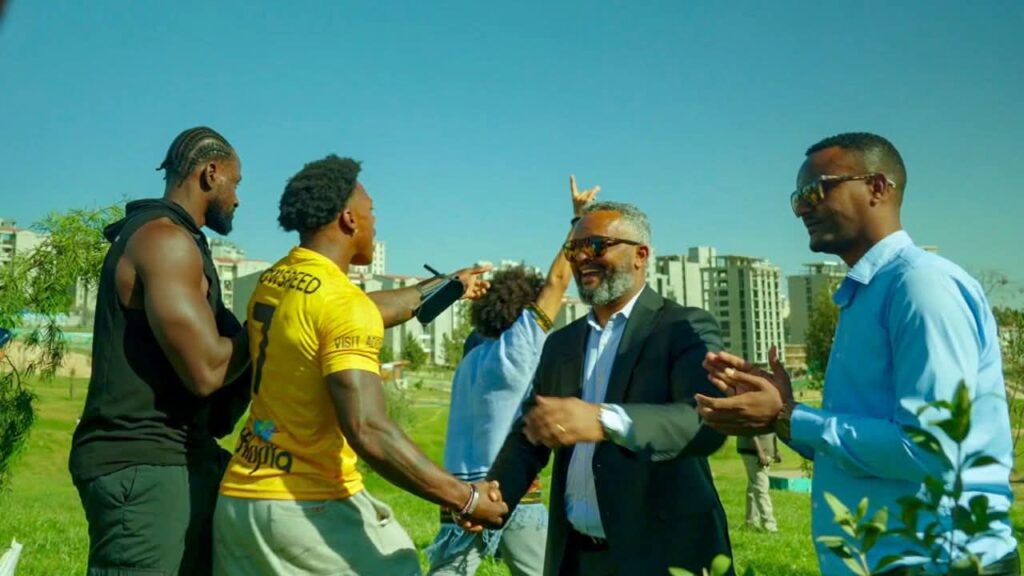
The tour was not announced as a state-sponsored campaign, nor was it structured as a formal tourism promotion initiative. According to confirmation provided to Horn News Hub by the Head of Communication of Addis Ababa City Administration, neither the federal government nor the city administration paid IShowSpeed for his visit. The trip was undertaken independently as part of his personal African tour agenda.
Conclusion
IShowSpeed did not arrive in Ethiopia as a diplomat, historian, or official ambassador. Yet his visit functioned as all three in effect. Through unscripted interaction, cultural curiosity, and real-time broadcasting, he introduced Ethiopia to millions who had never seen it beyond stereotypes.
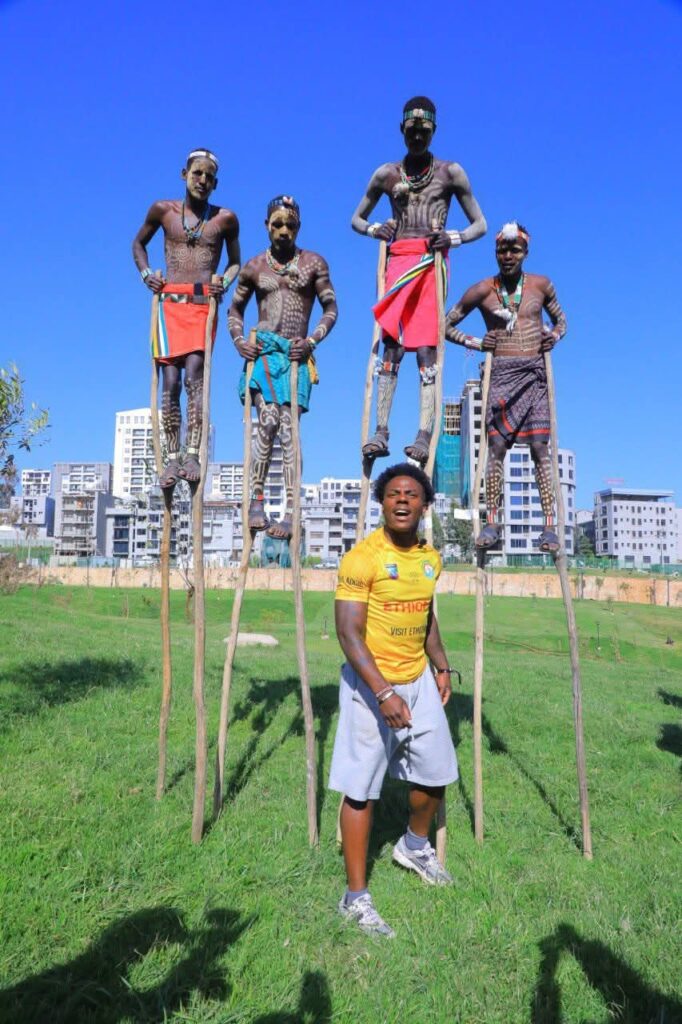
The value of the visit lies not in spectacle, but in scale. It was a rare moment where Ethiopia controlled the narrative without filters, pity frames, or crisis lenses. In a global media environment where attention is currency, Ethiopia gained visibility, relevance, and narrative agency. For a country often spoken about rather than listened to, that alone represents a meaningful gain.
Editor’s Disclaimer:
The views and opinions expressed in articles published by Horn News Hub are those of the authors and do not necessarily reflect the official position or editorial stance of Horn News Hub. Publication does not imply endorsement.