
Mekelle/Tel Aviv/Nairobi/Pretoria/London
Ethiopia’s Model of Citizen-Driven Development: A Lesson for Africa
By Chekole Alemu
Across Africa, the question of how to balance rapid urbanization with sustainable development is one that weighs heavily on many governments. Addis Ababa, Ethiopia’s capital, offers a compelling example of how citizen-driven participation can be a transformative force in urban development. The ongoing evolution of the city, powered by contributions from both residents and Ethiopians in the diaspora, is not just about constructing infrastructure it is about fostering a collective sense of ownership, national pride, and commitment to self-reliance.
The Grand Ethiopian Renaissance Dam (GERD) is perhaps the most notable symbol of this shift towards internal resource mobilization and national participation. This monumental hydroelectric project was financed largely by Ethiopian citizens, without relying on loans from the World Bank, the IMF, or other international donors. The GERD stands as a powerful testament to what can be achieved when a country mobilizes its people to invest in their own development physically, financially, and emotionally.
However, the spirit of citizen-driven development in Ethiopia goes far beyond just the GERD. It is embedded in the very fabric of Addis Ababa’s transformation, where the residents themselves have become key players in reshaping the city’s urban landscape. This widespread participation is not without its challenges, but it presents a model of self-sufficiency that many other African cities could learn from.
The Role of Prime Minister Abiy Ahmed in Mobilizing Public Support
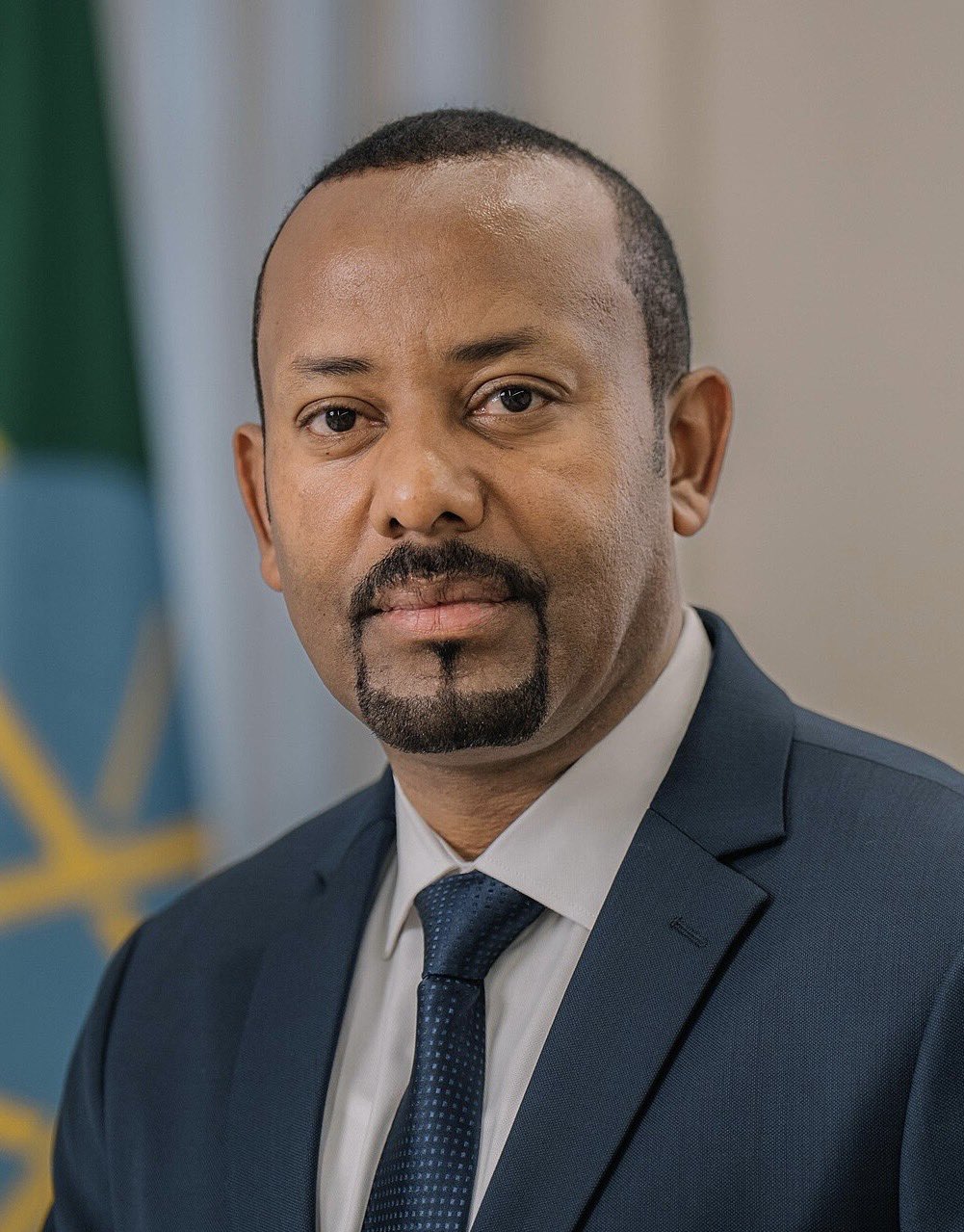
Prime Minister Abiy Ahmed’s leadership has been instrumental in fostering a culture of civic engagement in development. Since taking office, Abiy has consistently articulated the vision of a self-reliant Ethiopia, one where national development is driven by the collective efforts of its people. His rhetoric, which emphasizes unity, national pride, and sovereignty, has helped galvanize public participation in key development projects projects that are now widely seen as essential for Ethiopia’s future.

Abiy’s ability to communicate the importance of national projects like the GERD, housing developments, and infrastructure initiatives has played a critical role in mobilizing citizens. His administration has worked to ensure that Ethiopians see themselves not merely as recipients of government services but as active contributors to their country’s development. This shift in mindset has been crucial in securing the broad-based support needed to fund and execute large-scale projects.
Addis Ababa’s Urban Transformation: Citizens as Stakeholders
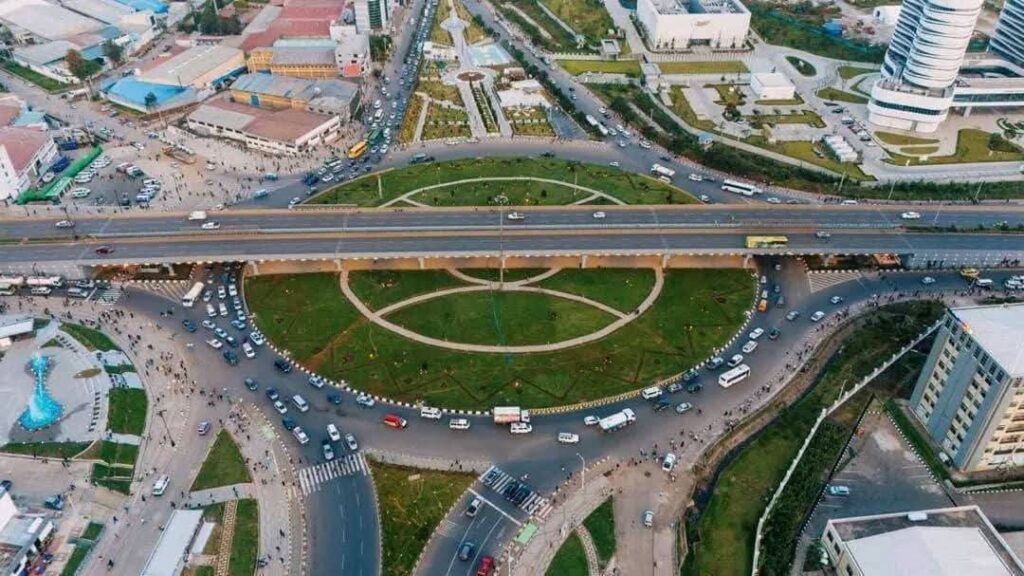
Addis Ababa, a city that has long struggled with issues of overcrowding, inadequate infrastructure, and lack of public spaces, is now undergoing a dramatic transformation. The ongoing urban renewal projects in the city are reflective of a broader, national strategy that prioritizes modernity and sustainable development. However, what sets Addis Ababa apart from other African cities undergoing similar changes is the active role its residents play in these transformations.
In neighborhoods like Abuare, Kazanchis, and Giorgi, residents have had to make personal sacrifices as part of the city’s urban renewal efforts. These areas, which were once home to vibrant communities, have seen homes and businesses displaced to make room for public infrastructure, modern housing, and commercial zones. While such transitions are challenging, the people of Addis Ababa have largely accepted these changes, understanding that their sacrifices are part of a larger vision for the country’s growth.
This sense of collective sacrifice is deeply rooted in Ethiopia’s history. As the country navigates its post-war reconstruction and seeks to reclaim its place on the African continent, the people of Addis Ababa and Ethiopia as a whole have embraced development as a shared responsibility. Residents of the displaced areas often view the development not as an injustice but as a necessary step for the country’s long-term prosperity.
A New Model of Urban Development: Public Participation as the Cornerstone
Addis Ababa’s transformation presents an invaluable lesson for other African cities grappling with urbanization. Across the continent, cities are rapidly growing, with infrastructure struggling to keep pace with the demand. Too often, development relies on external funding, whether through foreign loans or aid from international donors. This model can limit national ownership, slow progress, and create dependencies that hinder long-term development.

In Addis Ababa, however, the emphasis on public participation has not only accelerated development but also deepened citizens’ sense of ownership. Residents have contributed financially through public bonds and local initiatives, while also offering labor and expertise to construction projects. The government’s encouragement of citizen participation through financial contributions, community feedback, and engagement in planning processes has cultivated a deeper connection between citizens and their city.
One of the most striking features of this model is that it fosters a sense of pride and responsibility among residents. Displaced families in Kazanchis or Giorgi are not simply given compensation and moved elsewhere; they are often integrated into the new development plans, with many being offered new homes or the chance to become part of the newly revitalized districts. This holistic approach to urban renewal, where residents are not just passive recipients but active participants, ensures that development remains relevant to local needs and cultural values.
A Sustainable Alternative to Foreign-Dependent Development
The Ethiopian approach to development stands in stark contrast to the dependency on external financing seen in many African nations. The country’s ability to fund its mega-projects through domestic resources challenges the conventional wisdom that African countries must rely on external loans, foreign aid, or international institutions to build their infrastructure. Ethiopia’s success with the GERD, and the active participation of its citizens in shaping the capital’s urban landscape, demonstrates that it is possible to achieve sustainable development without being beholden to external donors.

While this approach is not without its challenges such as the potential for inflationary pressure or social unrest due to displacement Ethiopia’s ability to marshal national resources, both financial and human, serves as a powerful reminder of the importance of local ownership in the development process. The government’s active engagement with its people, especially the diaspora, allows for the kind of bottom-up development that is often missing in other parts of Africa.
The Broader African Lesson: Development from Within
Addis Ababa’s model offers a valuable blueprint for other African cities. In places like Lagos, Nairobi, and Accra, where rapid urbanization is outpacing infrastructure development, Ethiopia’s citizen-driven approach could serve as an alternative to the heavy reliance on foreign aid and loans. By mobilizing local resources whether financial, human, or intellectual African nations can accelerate their development while maintaining greater sovereignty over their economic futures.
Rather than seeing displacement, urban renewal, and large-scale projects as threats to social cohesion, other African cities could learn from Ethiopia’s example of turning these processes into opportunities for unity and collective growth. The Ethiopian experience shows that, when citizens see themselves as partners in development, rather than subjects of it, urbanization can be a force for positive change that reflects the values, culture, and aspirations of the people.
Conclusion: A Vision for the Future of Africa
Ethiopia’s experience with citizen-driven development, particularly in Addis Ababa, highlights a new paradigm for African cities. It is a model where national development is viewed as a shared responsibility where citizens are not passive beneficiaries but active agents of change. Prime Minister Abiy Ahmed’s leadership has provided the framework for this transformation, encouraging Ethiopians to see themselves as integral parts of the country’s development.

This model of participation where residents make personal sacrifices for the greater good, whether by contributing financially or accepting displacement is a rare example of how urbanization can be achieved in a way that aligns with the values and aspirations of the people. As African nations continue to urbanize and modernize, Ethiopia’s example offers a compelling path forward: one that emphasizes self-reliance, local participation, and national pride as the key drivers of sustainable, inclusive development.