

Mekelle/Tel Aviv/Nairobi/Pretoria/London
By Staff Writer
Market Centers Help Ease Cost of Living Pressures in Addis Ababa
The Addis Ababa City Administration says newly established market centers and expanded holiday supply measures are helping to stabilize prices of basic commodities and ease cost of living pressures for residents.
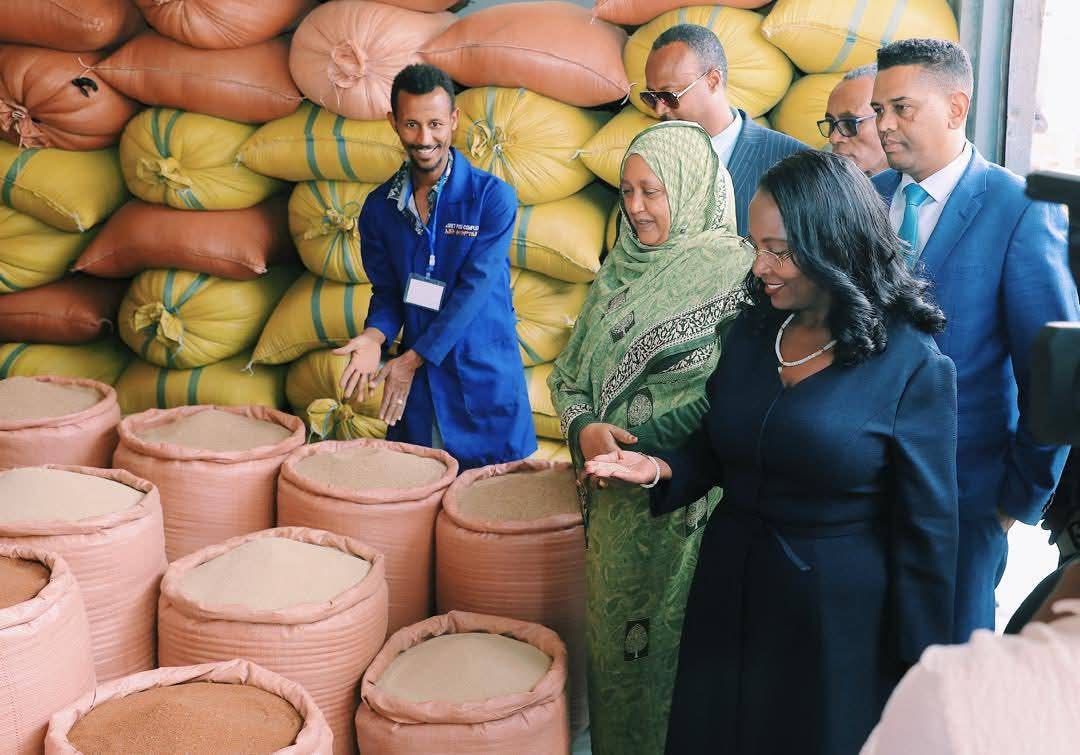
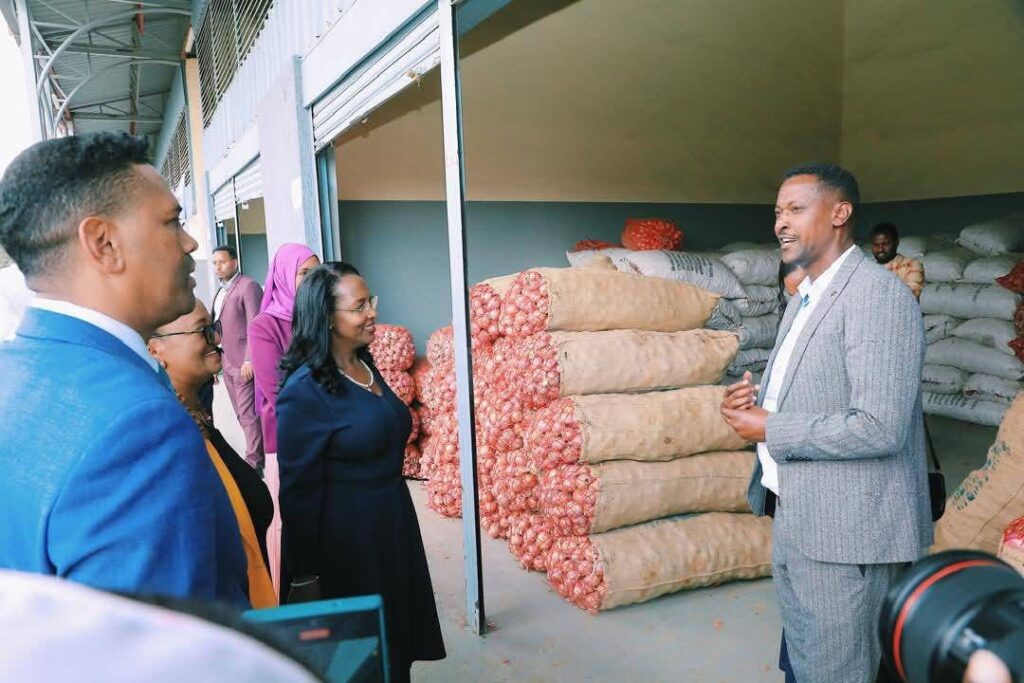
According to the city administration, market centers have been constructed and made operational at major entry and exit points of the capital to allow direct trading between producers and consumers. The centers are intended to reduce the role of intermediaries, address market distortions, and limit price increases on essential goods.
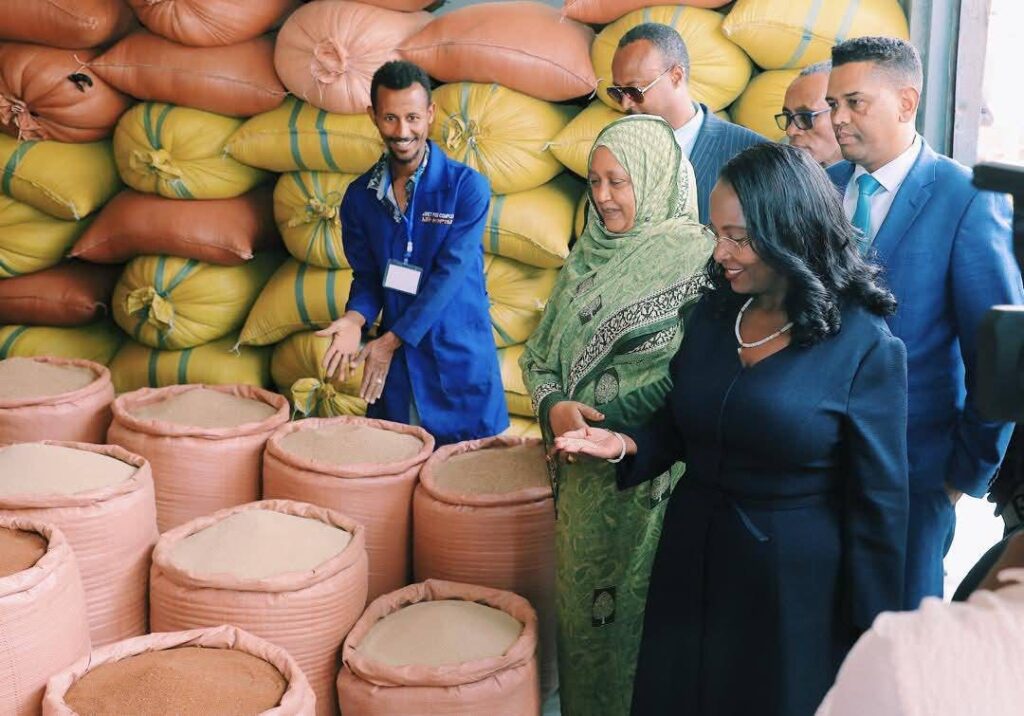
The market centers are located in Lafto Hule Geb, Akaki Kality, Lemi Kura, and Kolfe sub cities. City officials say the facilities are already providing services and have delivered both economic and social benefits by improving access to affordable goods and supporting more predictable market conditions.
In addition to permanent market centers, the city has expanded and improved weekend markets in accessible locations across Addis Ababa. These measures form part of a broader strategy aimed at curbing inflation and reducing the cost of living, with the market centers identified as a key intervention providing measurable relief to residents.

The administration also says the market centers are supporting agricultural productivity through the Lemaat Tirufat and urban agriculture programs. By encouraging residents to shift from being solely consumers to participating as producers, and by limiting illegal brokerage and informal trading, the centers are contributing to efforts to stabilize prices of basic food items. Agricultural products supplied through these markets are being distributed more widely, improving availability and moderating price pressures.
Meanwhile, the city’s Trade Bureau announced that preparations have been finalized to ensure stable market conditions during the 2018 Ethiopian Christmas holiday. The measures are part of efforts to manage increased seasonal demand and prevent price spikes.
Trade Bureau Head W/o Habiba Siraj said arrangements have been completed to ensure sufficient inflows of essential goods into the capital, allowing residents to celebrate the holiday in an orderly and predictable market environment. She noted that coordinated work with relevant stakeholders has secured adequate supplies of both industrial and agricultural products, including livestock for holiday consumption.

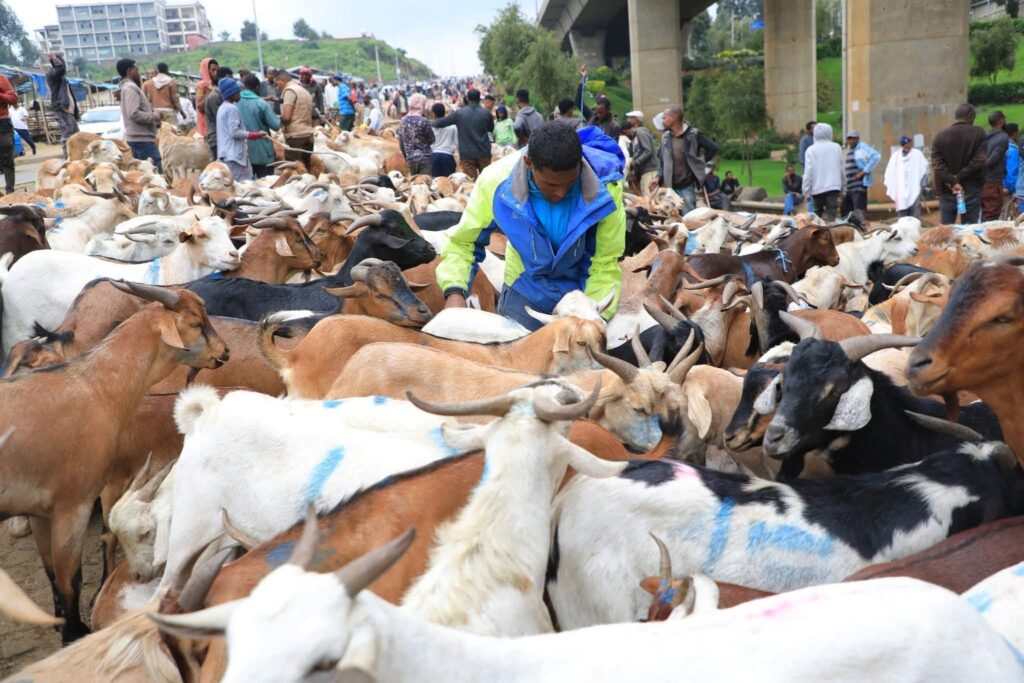
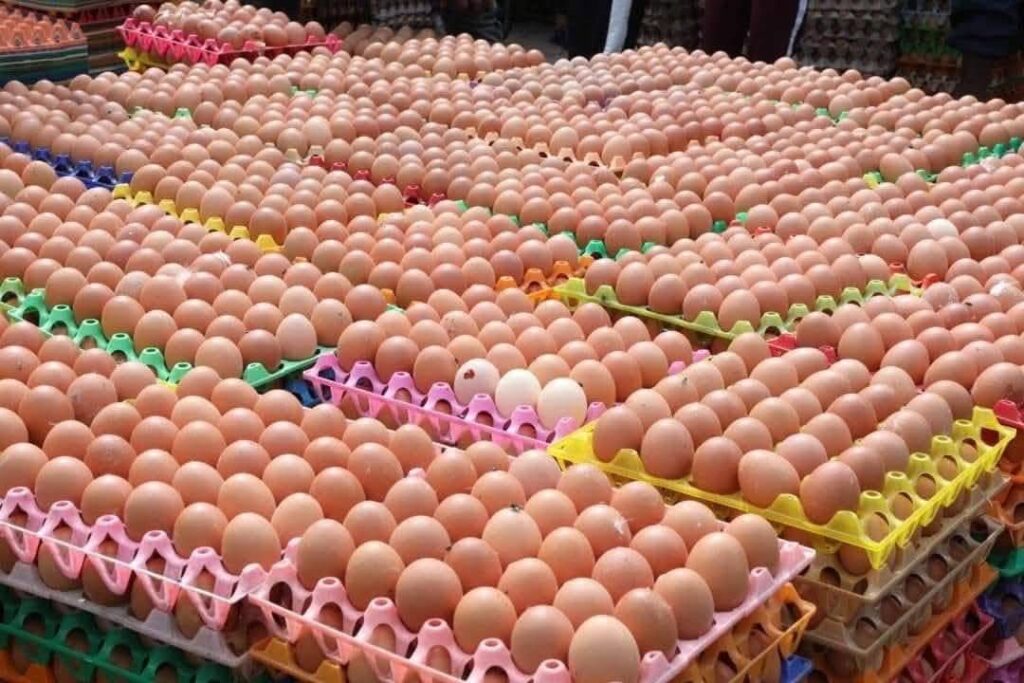
According to the Bureau, an estimated 279,620 head of cattle, 294,620 sheep and goats, 633,400 chickens, and around 15 million eggs are expected to enter the city during the holiday period. In addition, 90,294 quintals of cereal crops and 416,205 quintals of vegetables and fruits will be supplied to meet consumer demand.
The Trade Bureau said monitoring and inspection activities will be carried out at all administrative levels to ensure goods reach consumers properly and are sold at fair prices. Market monitoring task forces have also been deployed to curb illegal practices such as hoarding and price manipulation.
Beyond holiday specific measures, the city administration says it is intensifying broader inflation control efforts, particularly following recent salary increases for government employees. Officials note that festive seasons often bring sharp increases in demand, which can encourage speculative behavior among some traders.
To address this, the administration has expanded direct producer to consumer sales schemes, including government designated holiday bazaars and sales centers where goods are sold at regulated prices. The volume of essential goods entering the market has also been increased to ease supply pressures.
Officials say inflation control efforts are ongoing and not limited to holiday periods. Subsidy programs targeting low income residents, expanded year round market access through permanent and weekend markets, and coordination with national monetary policy are part of a longer term strategy to stabilize prices.
Federal authorities, including the National Bank of Ethiopia, are implementing tighter monetary measures aimed at reducing overall inflation. The city administration says sustained market stability will depend on increased domestic production, particularly in agriculture, alongside continued regulatory oversight to protect consumers throughout the year.
Editor’s Disclaimer:
The views and opinions expressed in articles published by Horn News Hub are those of the authors and do not necessarily reflect the official position or editorial stance of Horn News Hub. Publication does not imply endorsement.