

Mekelle/Tel Aviv/Nairobi/Pretoria/London
Addis Ababa: The New Face of Africa
By Staff Writer
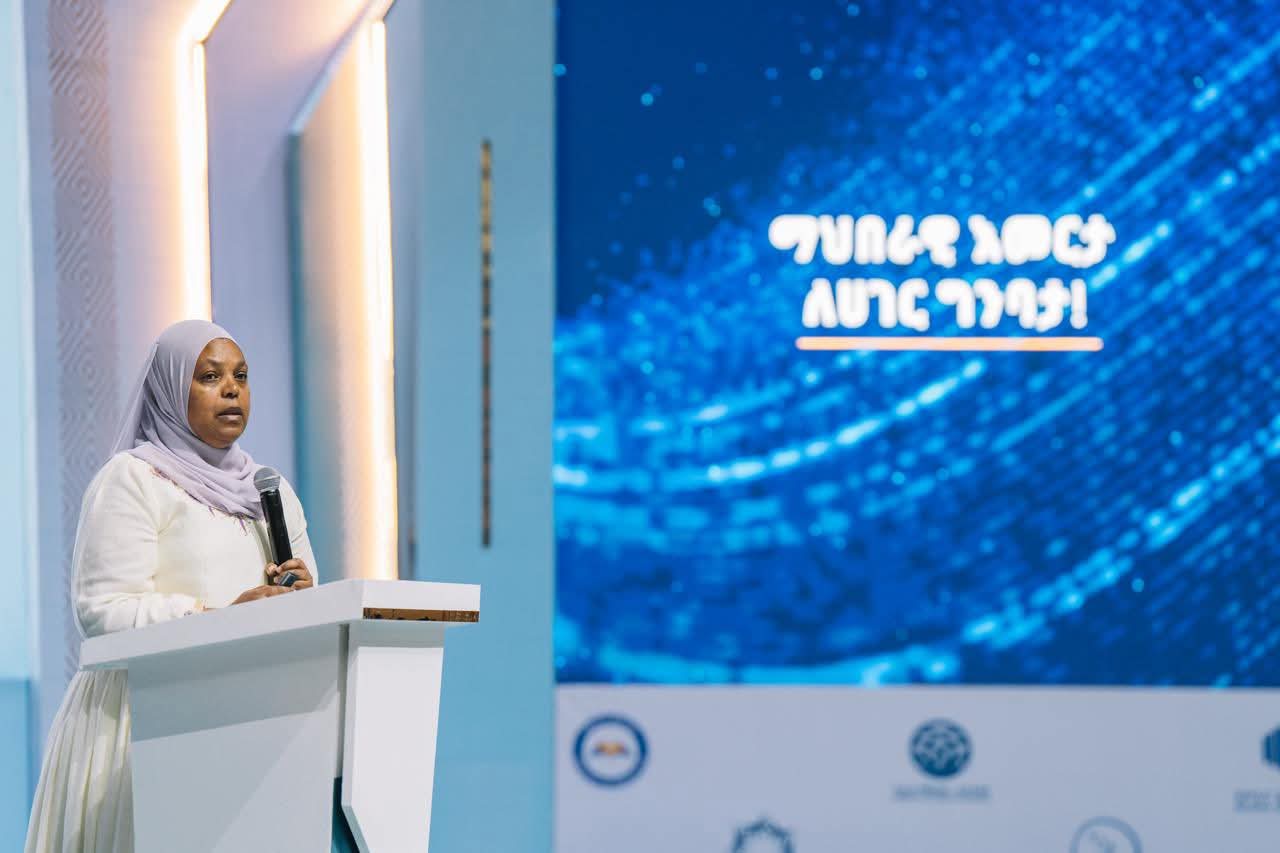
Once known for its congested streets, aging infrastructure, and uneven urban growth, Addis Ababa is undergoing one of the most ambitious transformations seen in an African capital in recent decades. The city, which hosts the African Union and dozens of international institutions, is being reshaped through large scale urban redevelopment, governance reforms, and economic restructuring. At the center of this shift is the current city administration, led by Mayor Adanech Abiebie, whose leadership has placed urban renewal and institutional reform at the core of Addis Ababa’s future.
This transformation is not cosmetic. It reflects a broader political and economic recalibration of Ethiopia’s capital, aimed at repositioning Addis Ababa as a modern, competitive, and inclusive African city.
Urban Development: From Expansion to Redesign
Addis Ababa’s rapid population growth has long strained housing, transport, sanitation, and public services. For decades, urban expansion occurred faster than planning capacity, producing informal settlements, environmental degradation, and uneven access to infrastructure. The current redevelopment agenda seeks to reverse this pattern by shifting from reactive expansion to structured redesign.
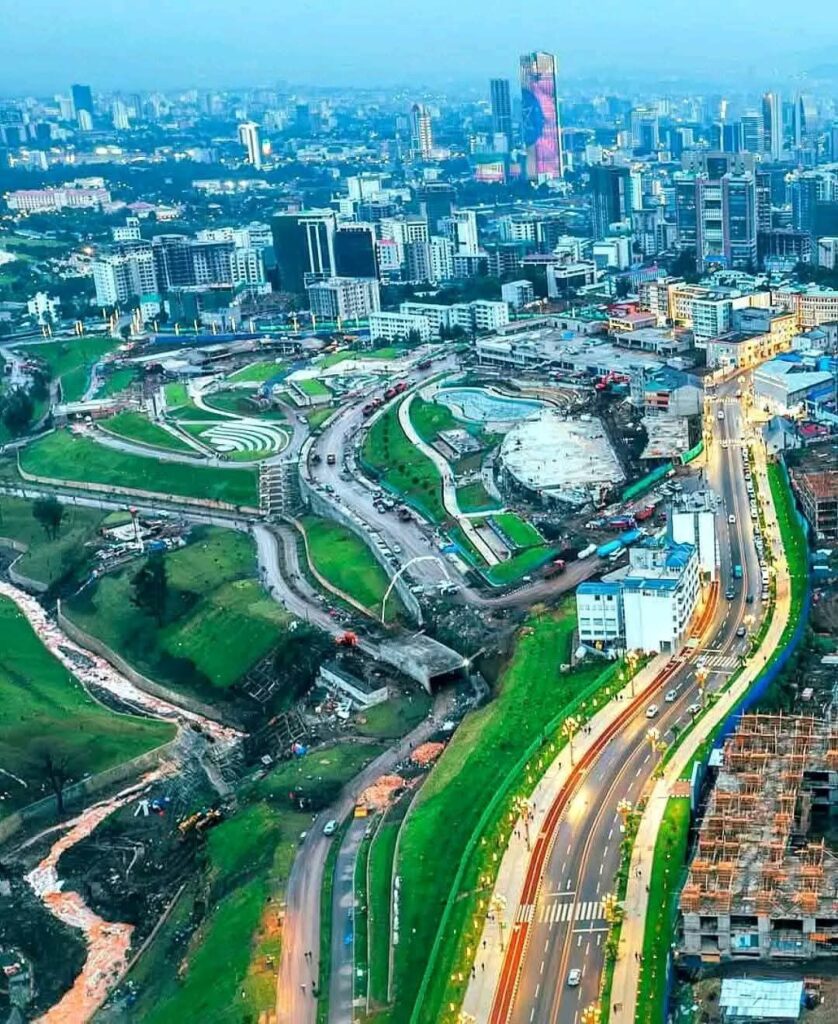
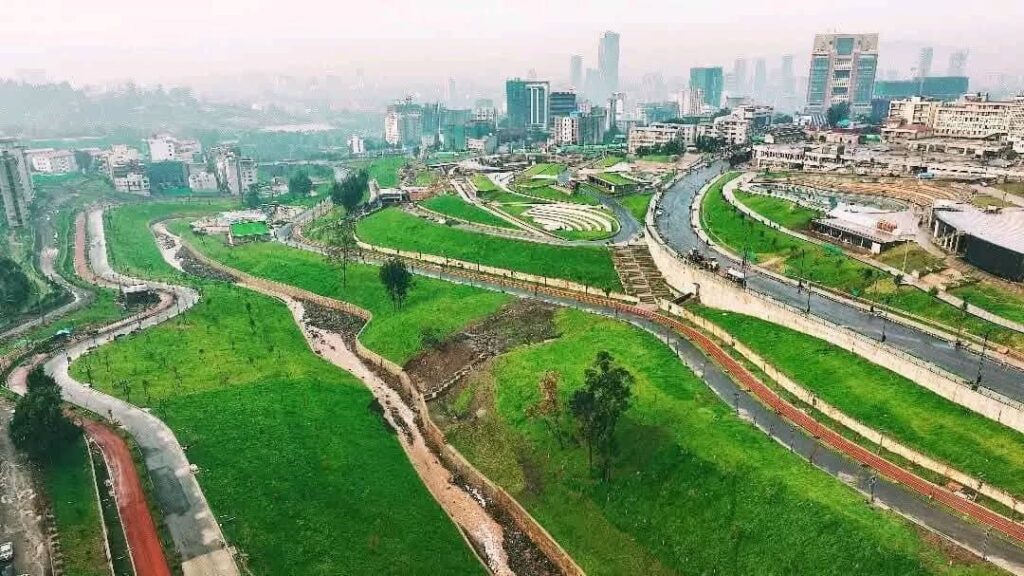
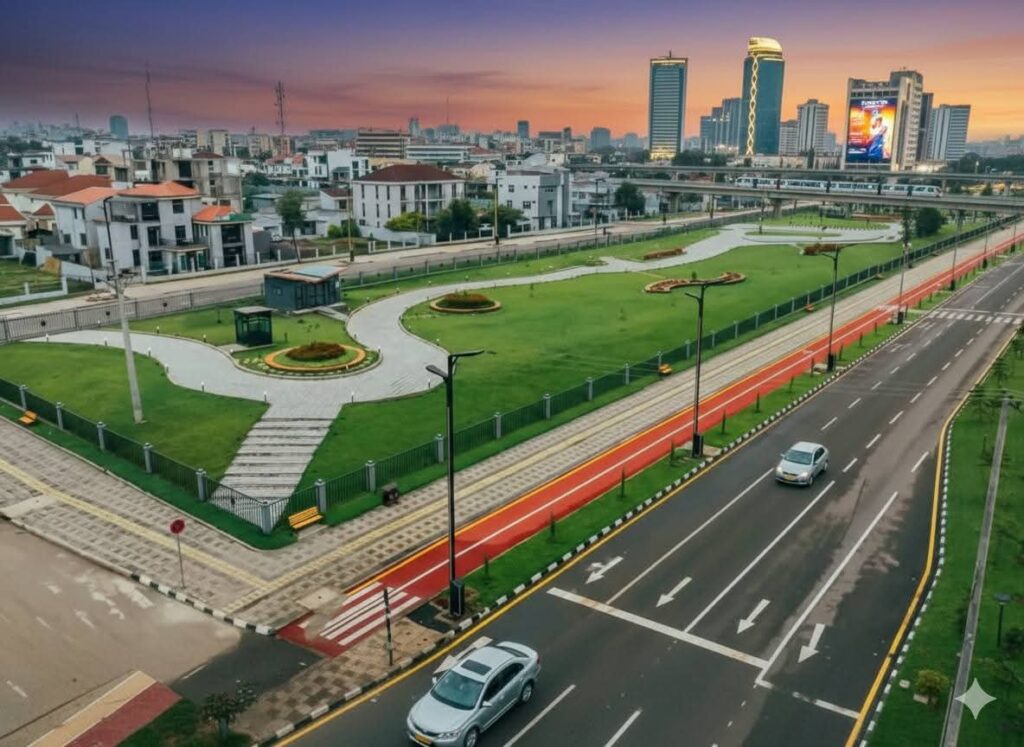
Major corridor development projects have reconfigured key arteries of the city, replacing narrow, congested roads with wider transport corridors that integrate pedestrian walkways, green spaces, drainage systems, and public utilities. These projects have significantly altered the city’s physical landscape, particularly in central and high traffic zones, improving mobility and reducing chronic congestion.
Housing development has also become a central pillar. Large scale residential projects, both public and private, are being promoted to address long standing housing shortages. While challenges remain regarding affordability and displacement, the administration frames these projects as necessary steps toward reducing slum density and improving living standards.

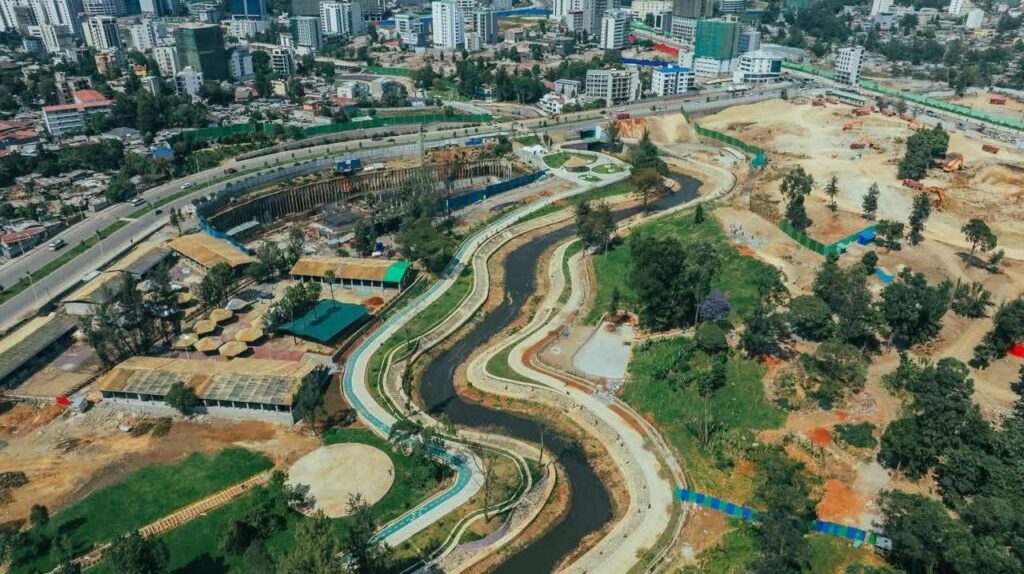
Environmental considerations have gained prominence as well. Urban beautification initiatives, river rehabilitation projects, and expanded green areas aim to address pollution and climate vulnerability, issues that have increasingly shaped urban governance across Africa.
Governance and Institutional Reform
Beyond physical infrastructure, the transformation of Addis Ababa is closely tied to governance reforms. The city administration has emphasized institutional discipline, service delivery efficiency, and public accountability as essential to sustainable urban development.
Under Mayor Adanech Abiebie, municipal institutions have undergone restructuring to reduce bureaucratic delays and improve coordination among city agencies. Digitalization of services, including land administration and municipal licensing, has been promoted as a tool to curb corruption and enhance transparency, although implementation remains uneven across sectors.

Law enforcement and regulatory oversight have also been strengthened, particularly in areas related to illegal construction, land misuse, and informal economic activities. Supporters argue that these measures are necessary to restore order and enforce urban planning standards. Critics, however, caution that strict enforcement must be balanced with social protections, especially for low income residents whose livelihoods depend on informal systems.
Politically, the administration has sought to project an image of technocratic governance, prioritizing delivery over rhetoric. This approach aligns with broader national narratives that frame development as a stabilizing force in a country facing political and security pressures.
Economic Growth and Urban Competitiveness
Addis Ababa remains Ethiopia’s economic engine, contributing a significant share of national GDP. The city’s transformation strategy is closely linked to efforts to enhance economic competitiveness and attract investment.
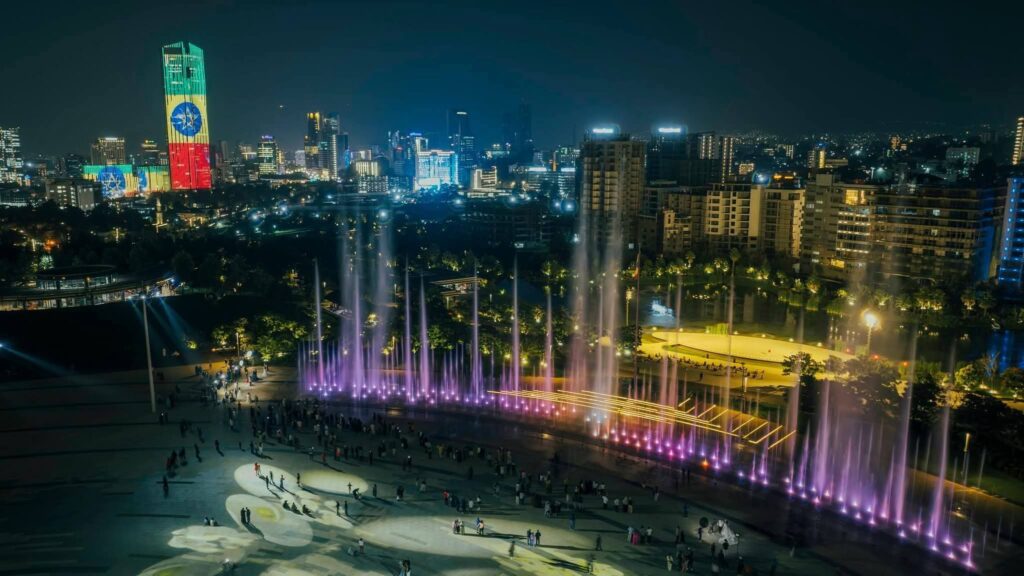
Infrastructure upgrades have improved the business environment, particularly for real estate, hospitality, logistics, and service sectors. Redeveloped urban spaces have attracted domestic investors and members of the Ethiopian diaspora, while also positioning the city as a regional hub for conferences, diplomacy, and international business.
Small and medium enterprises have been identified as key drivers of employment. The city administration has introduced support programs aimed at formalizing businesses, expanding access to credit, and integrating youth and women into the urban economy. While these initiatives show potential, their long term impact will depend on consistent policy implementation and macroeconomic stability.
Addis Ababa’s role as a continental diplomatic capital adds another layer to its economic strategy. Modern infrastructure and improved urban services are viewed as essential to maintaining the city’s status as Africa’s political center, particularly as other regional capitals compete for international influence.
Leadership and the Politics of Urban Change
Mayor Adanech Abiebie’s leadership has become inseparable from Addis Ababa’s current transformation narrative. As one of the most prominent female political leaders in Ethiopia, her tenure carries both symbolic and practical significance. Supporters credit her with decisive leadership, a focus on execution, and an ability to mobilize state institutions around a clear urban agenda.

At the same time, the scale and speed of redevelopment have sparked debate. Concerns over forced relocations, compensation adequacy, and public consultation continue to surface, highlighting the tension between rapid modernization and social equity. These debates are not unique to Addis Ababa and mirror challenges faced by fast growing cities across the Global South.
The administration’s response has been to frame redevelopment as a long term investment that requires short term sacrifices, while promising improved living conditions and economic opportunities in the future. Whether this social contract holds will largely determine public trust in the transformation process.
Addis Ababa in the African Urban Context
Addis Ababa’s evolution reflects broader trends in African urbanization, where capitals are under pressure to modernize while accommodating explosive population growth. What sets Addis Ababa apart is the scale of state led intervention and the political importance attached to the city’s image and functionality.
If sustained, the current trajectory could reposition Addis Ababa as a model for African urban renewal driven by strong municipal governance and strategic investment. However, success will depend on inclusivity, institutional resilience, and the ability to adapt policies as social and economic realities evolve.
For now, Addis Ababa stands at a defining moment. Its transformation is reshaping not only the city’s skyline but also its governance culture and economic identity. Whether it ultimately becomes the “new face of Africa” will be judged not by infrastructure alone, but by how effectively growth translates into dignity, opportunity, and stability for its residents.
Editor’s Disclaimer:
The views and opinions expressed in articles published by Horn News Hub are those of the authors and do not necessarily reflect the official position or editorial stance of Horn News Hub. Publication does not imply endorsement.