
Mekelle/Tel Aviv/Nairobi/Pretoria/London
News Analysis
Debate Grows Over Role of Tigrayan Orthodox Church as Hunger Deepens in Post War Tigray
From Faith to Power: How the Tigrayan Orthodox Tewahedo Church Normalized Hunger, Institutionalized Poverty, and Betrayed the Gospel
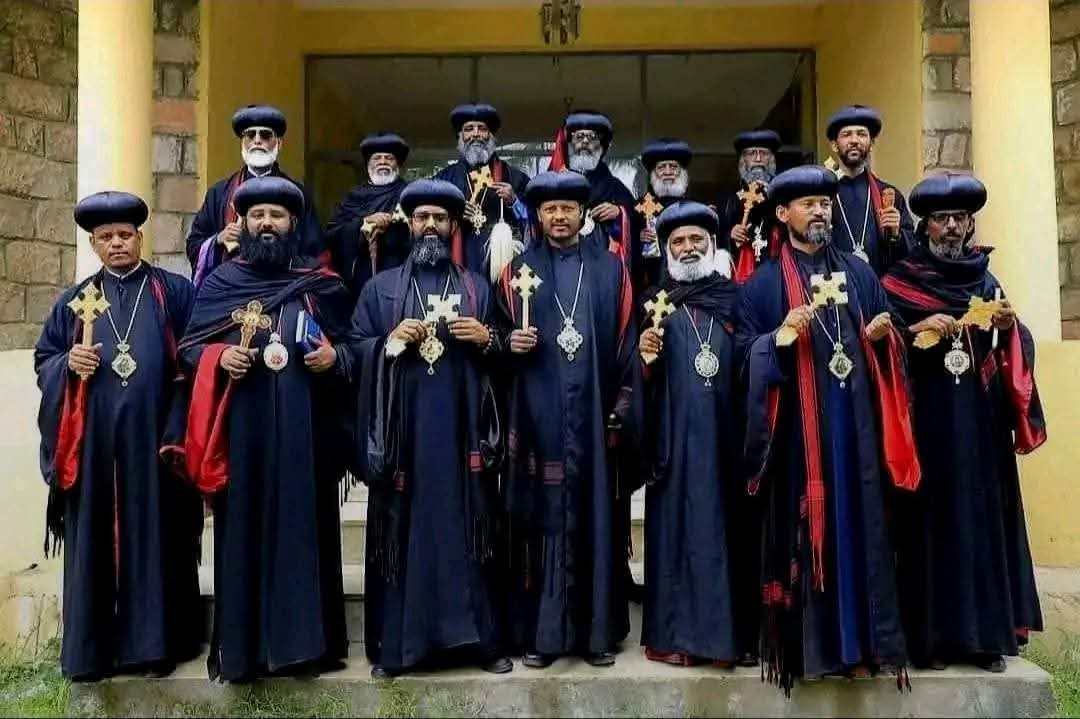
As humanitarian conditions remain fragile across post war Tigray, a growing body of commentary and civil debate is questioning the role of major institutions in shaping public response to mass hunger. At the center of this discussion is the Menbere Selama leadership of the Tigrayan Orthodox Tewahedo Church, an institution that holds deep spiritual, social, and political influence across the region.
The debate intensified following renewed reports of severe hunger in areas such as Hitsats, where displaced families and vulnerable residents continue to face food shortages months after active fighting subsided. Critics argue that the crisis has been met with limited institutional mobilization from religious authorities, despite the Church’s extensive reach and moral authority.
From Religious Authority to Political Actor
Historically, the Tigrayan Orthodox Tewahedo Church has functioned as more than a place of worship. Through its control of land, resources, calendars, and social norms, it has long shaped public life. Analysts note that in recent decades, Menbere Selama has increasingly operated as a quasi political institution, exerting influence over community behavior, public morality, and social priorities.
This influence became more visible during and after the war, when church leadership largely avoided direct public confrontation with political actors over the use of starvation as a weapon. While individual priests and believers participated in informal relief efforts, there was no coordinated, region wide campaign led by senior clergy demanding unrestricted humanitarian access or publicly condemning the blockade that crippled food supplies.
For critics, this silence marked a shift from spiritual leadership to institutional self preservation. By avoiding political confrontation, they argue, the Church effectively positioned itself as a stabilizing actor within existing power structures rather than an advocate for the most vulnerable.
Hunger in Hitsats and Public Silence
Hitsats, once home to a large refugee camp and now a symbol of post war deprivation, has drawn attention after social media users shared images and testimonies of children and elderly people facing acute hunger. These reports circulated widely before receiving acknowledgment from regional authorities.
Observers note that religious institutions, including local churches, did not issue early public statements or mobilize emergency support in response to the crisis. Instead, recognition came later through official channels, raising questions about why warning signs highlighted by community members were not amplified sooner by institutions with direct access to grassroots realities.
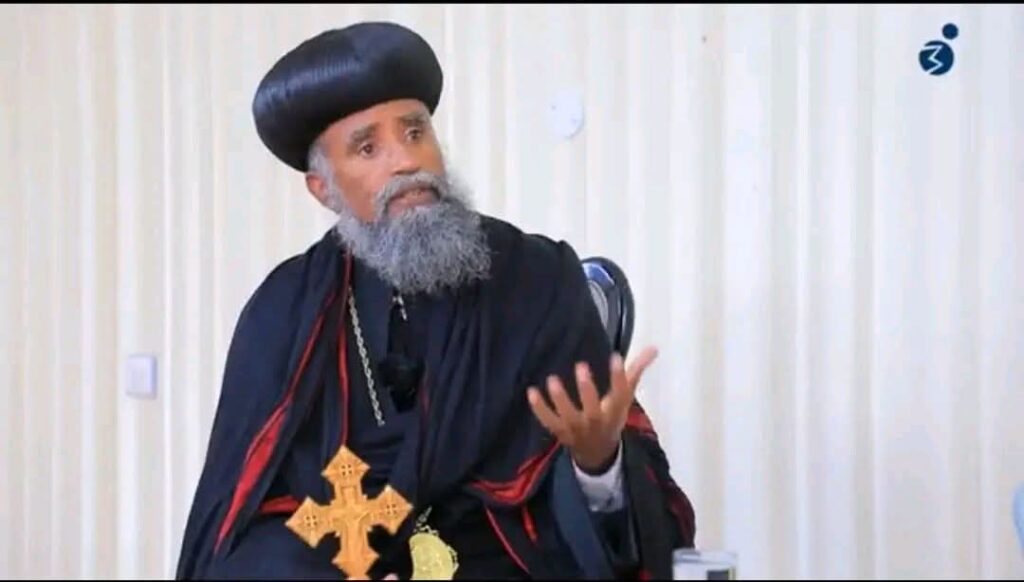
Humanitarian experts stress that in famine like conditions, delays in acknowledgment can have fatal consequences. They argue that institutions embedded in daily community life are often best positioned to raise alarms early and pressure authorities to act.
Ritual Practice and Economic Reality
Another aspect of the debate focuses on the Church’s ritual calendar and fasting practices. Tigrayan Orthodox life is structured around frequent holy days and extended fasting periods, some of which coincide with peak agricultural seasons or periods of food scarcity.
While academic studies have offered mixed conclusions on whether religious holidays directly reduce productivity, critics argue that during crisis conditions, rigid adherence to work prohibitions and prolonged fasting can worsen household food insecurity. They also point to the continued prioritization of church construction and fundraising in impoverished communities as evidence of misplaced institutional priorities.
Church representatives have not formally responded to these critiques, though supporters argue that faith traditions provide social cohesion and psychological resilience in times of crisis.
A Question of Moral Leadership
At the heart of the discussion is not theology, but accountability. Civil society voices emphasize that the criticism is directed at institutional leadership rather than individual believers or clergy. They argue that when hunger becomes widespread and visible, moral authority must translate into public action.
As Tigray struggles to recover from war, displacement, and economic collapse, the role of powerful social institutions is likely to remain under scrutiny. Whether the Tigrayan Orthodox Tewahedo Church chooses to redefine its public role as an outspoken advocate for food security and justice, or continues its current posture, will shape both its credibility and its relationship with a population still facing daily survival challenges.
For families in Hitsats and similar communities, the debate is not abstract. It is measured in meals missed, aid delayed, and lives placed at risk while institutions weigh silence against confrontation.
Editor’s Disclaimer:
The views and opinions expressed in articles published by Horn News Hub are those of the authors and do not necessarily reflect the official position or editorial stance of Horn News Hub. Publication does not imply endorsement.