
Mekelle/Tel Aviv/Nairobi/Pretoria/London
A strong critical analysis does not merely describe events; it interrogates meaning, responsibility, and power
Tigray’s worsening hunger crisis has highlighted contrasting forms of response and leadership. While traditional institutions, particularly religious bodies, face criticism for perceived silence or delayed action, youth-driven digital activism has emerged as a key humanitarian force. The discussion has centered less on technology itself and more on responsibility, moral authority, and effectiveness during an unfolding emergency.
Digital Mobilization at Hitsats
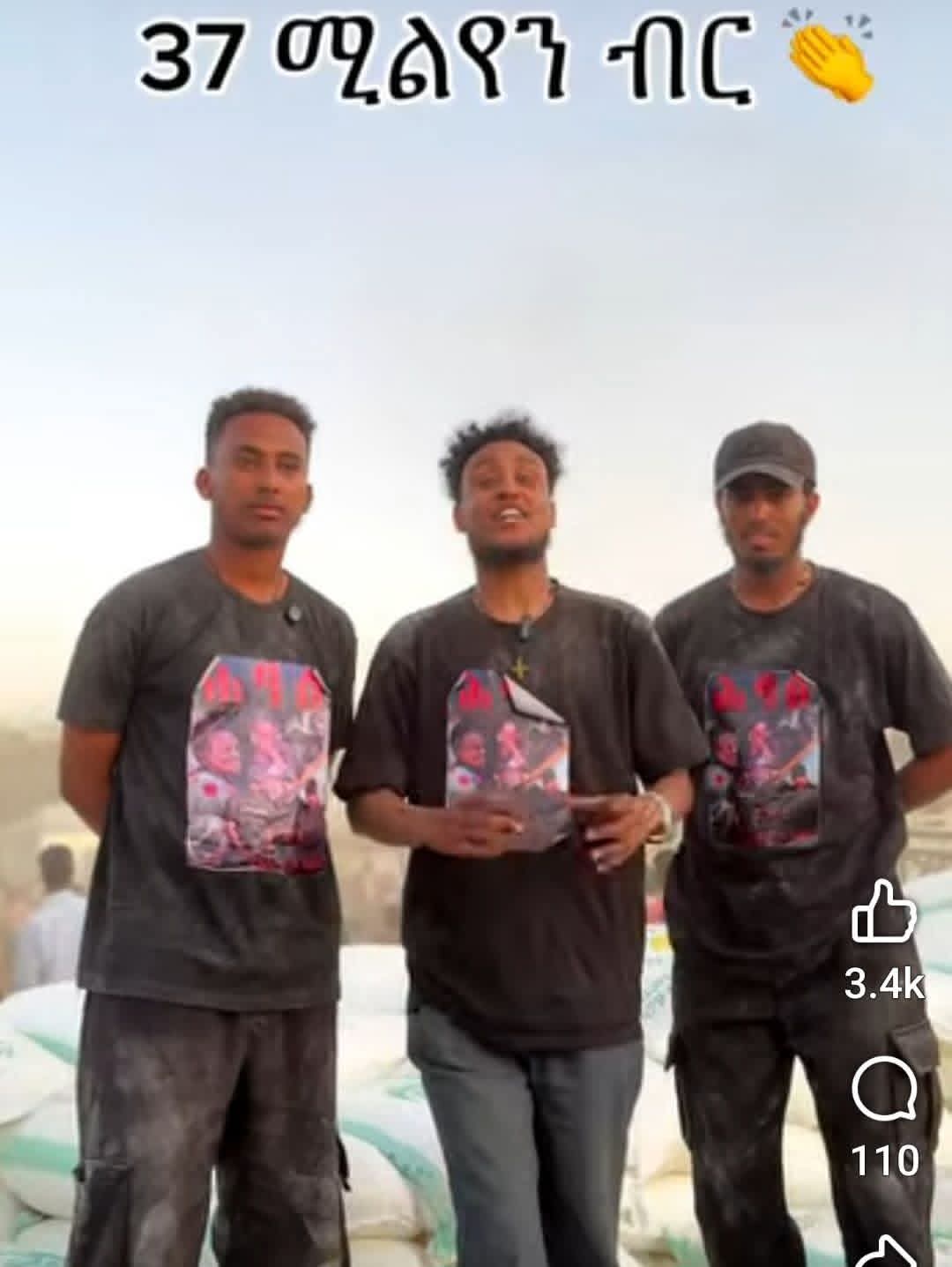
Public awareness of acute hunger at the Hitsats internally displaced persons camp first gained traction on social media after prominent TikTok philanthropists Raesi Luel, Abeneze, and Birhane shared on-the-ground accounts of starvation, medical neglect, and food shortages. Their posts marked the first widespread exposure of the crisis to a national and diaspora audience.
Within four days of sustained online campaigning, the three raised more than 37 million birr, according to organizers involved in the effort. The funds were directed toward emergency food assistance and basic humanitarian support for displaced families.
Following this initial exposure, TikTok activist Adonay Berhane Hailemichael amplified the campaign further, mobilizing additional donations and helping raise over 12 million birr within 24 hours. Collectively, these initiatives demonstrated how digital platforms enabled rapid resource mobilization at a time when formal response mechanisms were slow or limited.
Supporters describe the campaigns as emergency-driven humanitarian action rather than social media performance, arguing that speed and visibility were critical in a context where starvation was already claiming lives.
Religious Leadership Under Scrutiny
The surge in digital activism coincided with public criticism from segments of the religious establishment. Aba Serekeberhan Woldesamuel, also known as Abuna Salama, questioned aspects of TikTok-based humanitarian campaigns, raising concerns related to authority and public conduct.
His remarks intensified debate over the role of religious leadership during the crisis. Critics argue that while digital activists were exposing hunger and mobilizing aid, religious institutions appeared largely absent from public advocacy or emergency intervention. Supporters of the clergy counter that churches face political and operational constraints that limit direct engagement.
Menbere Selama and Institutional Challenges
The Tigrayan Orthodox Tewahedo Church, Menbere Selama, holds deep historical significance, tracing its roots to early Christianity in Axum. However, its contemporary leadership has come under scrutiny for how it has responded to mass displacement, hunger, and post-war humanitarian needs.
Analysts point to structural challenges, political entanglements, and internal divisions as factors shaping institutional responses. Others note that public expectations of moral leadership are highest during moments of extreme human suffering, when alignment between religious teaching and visible action becomes central to credibility.
Economic Contradictions and Accountability
The hunger crisis is unfolding alongside reports of continued illegal gold mining in Tigray. The region remains one of Ethiopia’s gold-rich areas, with civil society groups documenting ongoing extraction controlled by armed networks and politically connected actors.
Human rights advocates argue that the coexistence of mineral exploitation and civilian starvation points to systemic governance failures rather than natural famine alone. Calls for accountability increasingly target political authorities, armed groups, and institutions accused of avoiding confrontation with entrenched economic interests.
A Shift in Public Trust
The rapid fundraising led by Raesi Luel, Abeneze, Birhane, and Adonay Berhane reflects a broader shift in how communities assign trust and legitimacy. Younger generations increasingly prioritize immediacy, transparency, and measurable outcomes, often finding these qualities more readily in digital mobilization than in hierarchical institutions.
Researchers note that this trend does not necessarily signal rejection of faith or tradition, but growing frustration with institutions perceived as distant from lived suffering. In practice, digital humanitarianism has filled gaps rather than replaced formal aid structures.
Church, Power, and Independence
Organizations such as the Tigray Shadow Light Initiative, a Europe-based watchdog, argue that the crisis underscores the importance of maintaining clear separation between religious institutions and political power. According to their analysis, close alignment with political or armed actors weakens moral independence and limits the ability to advocate forcefully for vulnerable populations.
Conclusion
Tigray’s hunger crisis has become a test of leadership across social, religious, and political spheres. Digital activists played a central role in exposing conditions at Hitsats and mobilizing substantial humanitarian resources within days. Religious and political institutions, meanwhile, face renewed pressure to clarify their responsibilities and responsiveness during emergencies.
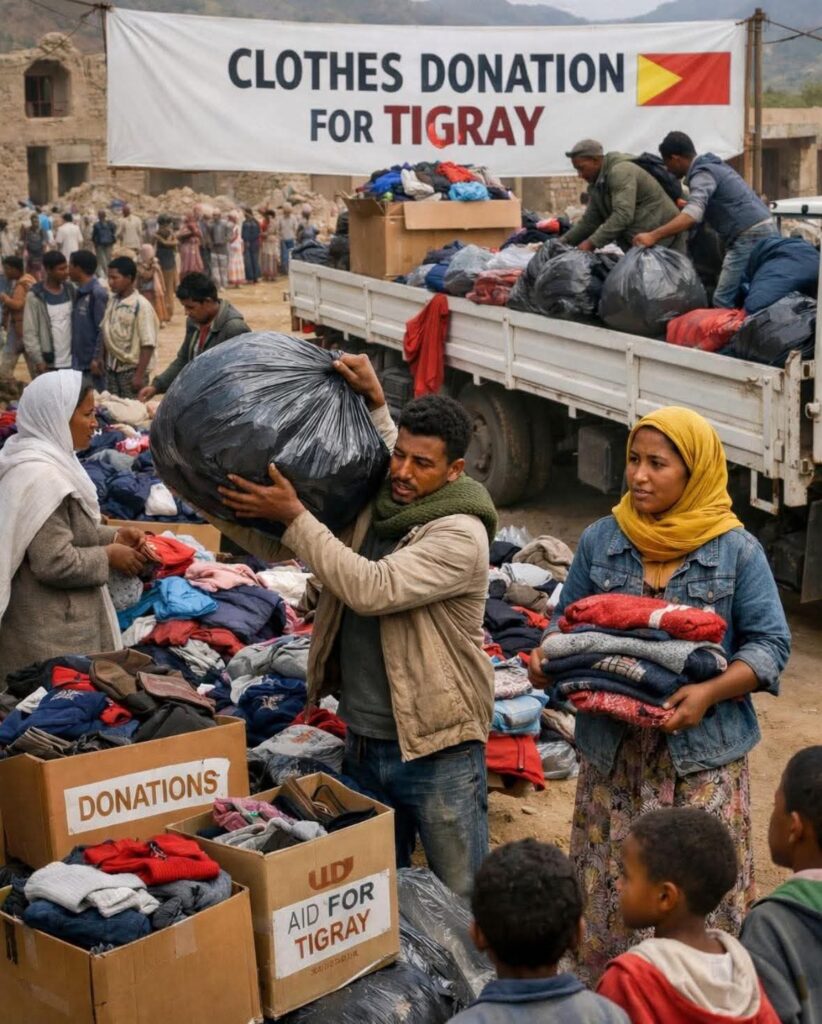
As humanitarian needs persist, many affected communities continue to judge leadership less by titles or tradition and more by who acts when lives are at risk, and how quickly that action reaches those in need.
Editor’s Disclaimer:
The views and opinions expressed in articles published by Horn News Hub are those of the authors and do not necessarily reflect the official position or editorial stance of Horn News Hub. Publication does not imply endorsement.