
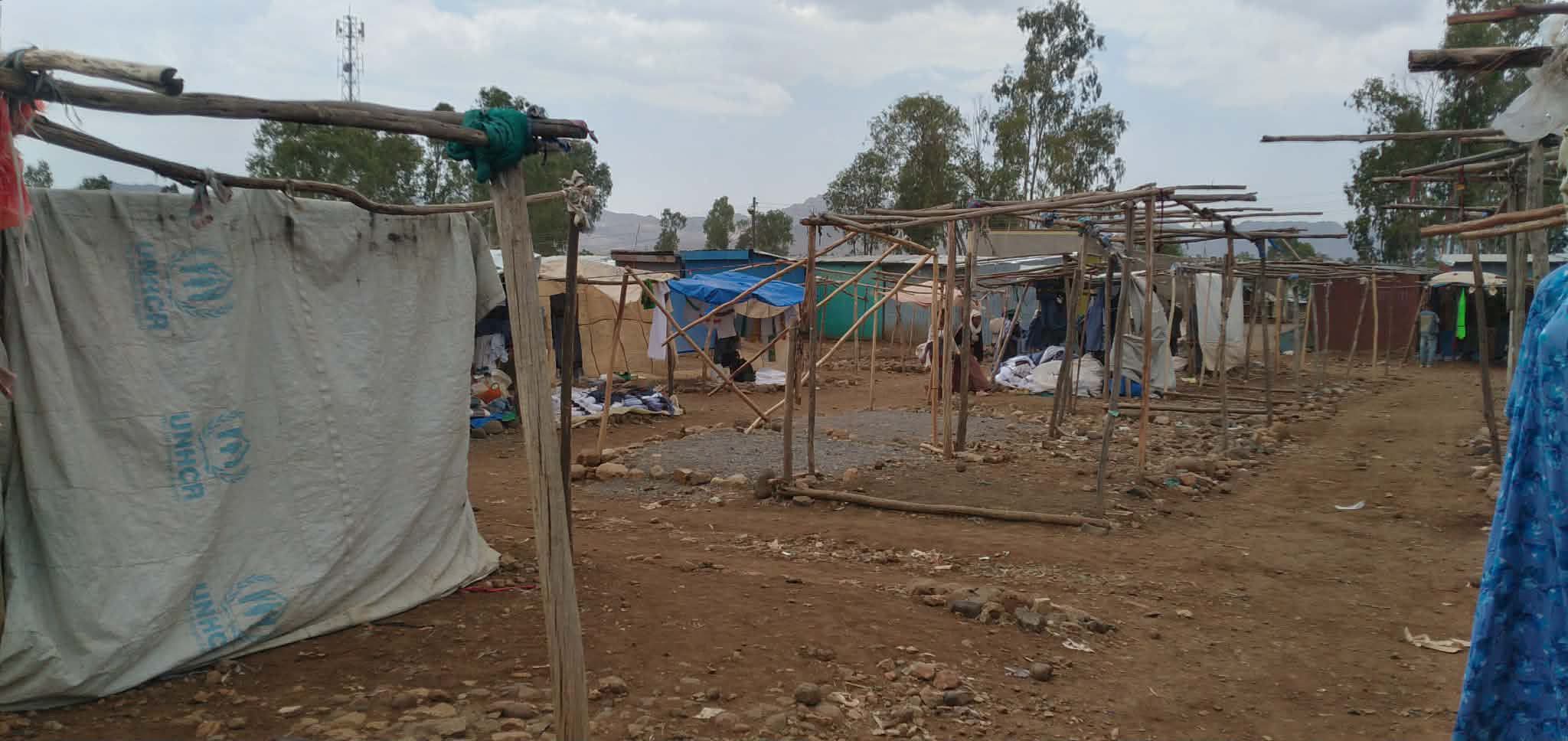
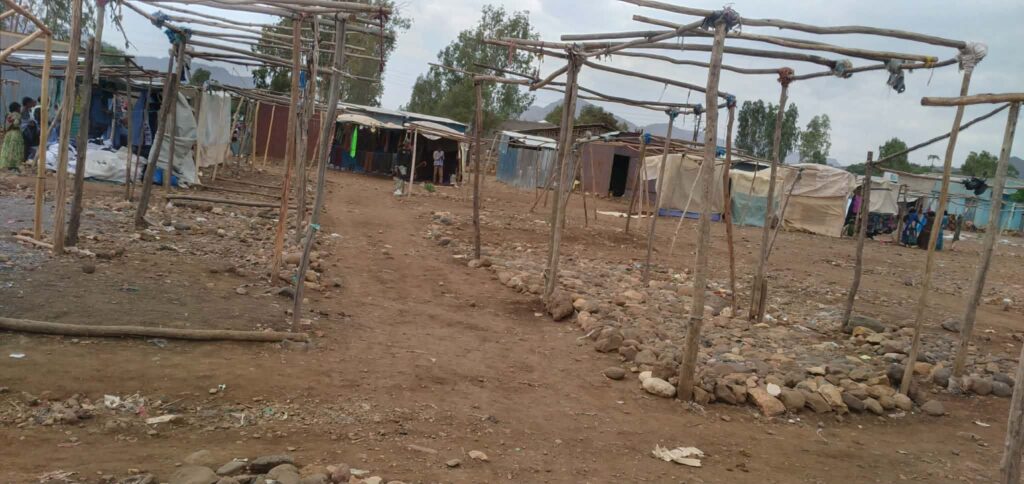
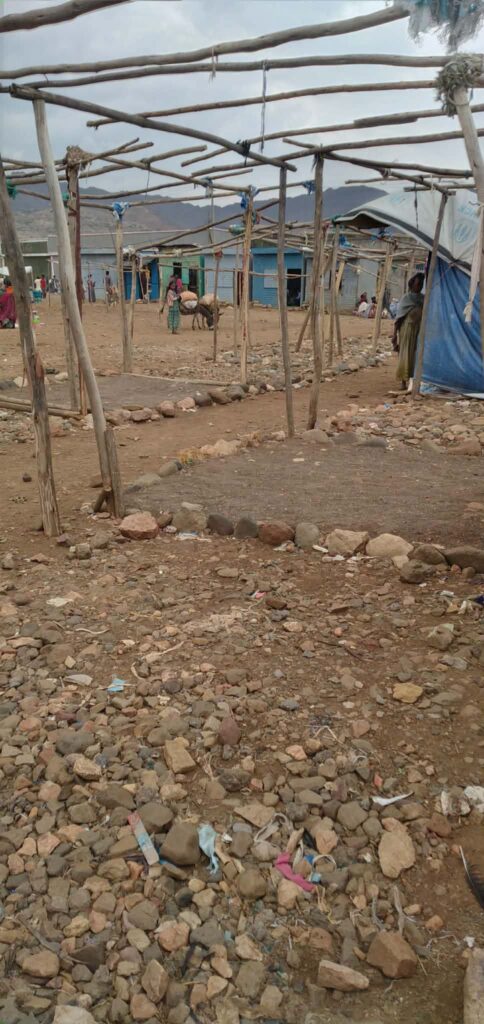
Mekelle, July 2, 2026 (Horn News Hub)— An unusually low turnout at the weekly market in Hiwane has raised concerns among residents and observers about the potential impact of the current security situation on agricultural production, local commerce, and food security during one of the region’s most important farming periods.
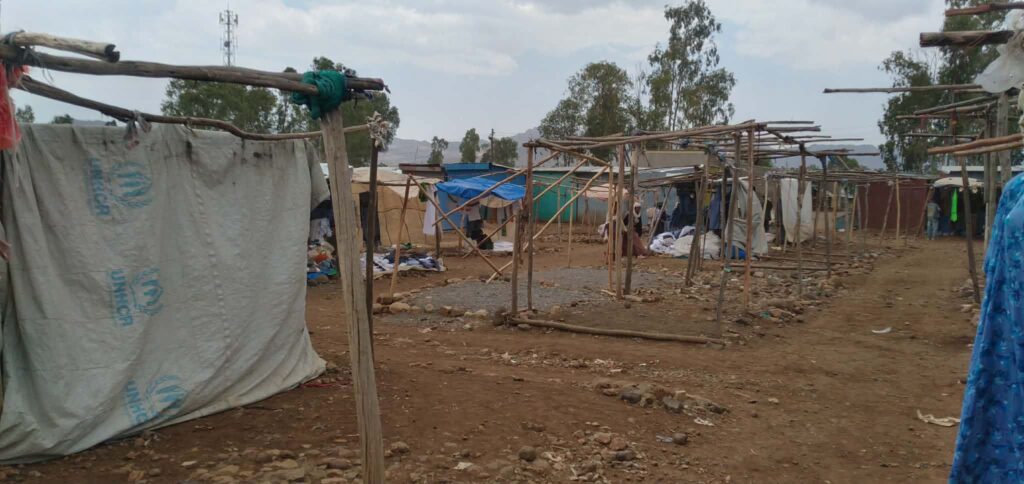
According to local observations, the market, which normally attracts farmers, traders, and buyers from surrounding communities, was largely deserted. Residents attributed the absence of many farmers and traders to concerns related to the current security environment and ongoing military mobilization measures.
The disruption comes at a critical time in the agricultural calendar. Farmers typically rely on weekly markets to purchase fertilizer, seed, farming tools, and other agricultural inputs before planting. Agricultural specialists have long noted that delays in obtaining these inputs or completing land preparation during the rainy season can significantly reduce crop yields and household food production.
The market also serves as an important economic hub connecting rural producers with nearby urban centers. Farmers depend on selling livestock and agricultural products to generate income for production costs and household needs, while traders transport food and other commodities to towns throughout the region. A prolonged reduction in market activity could therefore affect both rural livelihoods and food availability beyond Hiwane.
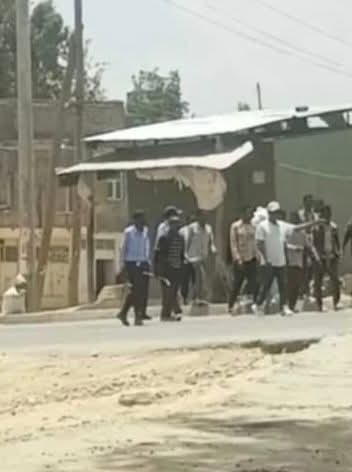
Human rights organizations and media outlets have reported concerns regarding military mobilization measures introduced in Tigray during 2026, including allegations of compulsory recruitment and enforcement actions. Regional authorities have presented mobilization as necessary in response to the prevailing security situation. The full impact of these measures on civilian life continues to be closely monitored by humanitarian organizations and independent observers.
Development experts emphasize that conflict and insecurity during the planting season can have consequences extending well beyond the immediate security context. Reduced agricultural production may contribute to lower harvests, higher food prices, declining household incomes, and increased humanitarian needs in the months ahead.
The situation highlights the importance of protecting civilian livelihoods while addressing security challenges. International humanitarian law emphasizes the protection of civilians and the preservation of conditions necessary for food production and economic activity during periods of conflict.
Observers note that maintaining peace and stability remains essential for Ethiopia’s long-term recovery and development. Ensuring that farmers are able to cultivate their land, access agricultural inputs, and participate safely in local markets is widely recognized as an important component of safeguarding food security and supporting durable peace.
Continued monitoring by humanitarian agencies, development partners, and independent observers will be important to assess the evolving humanitarian and economic implications of the current situation.